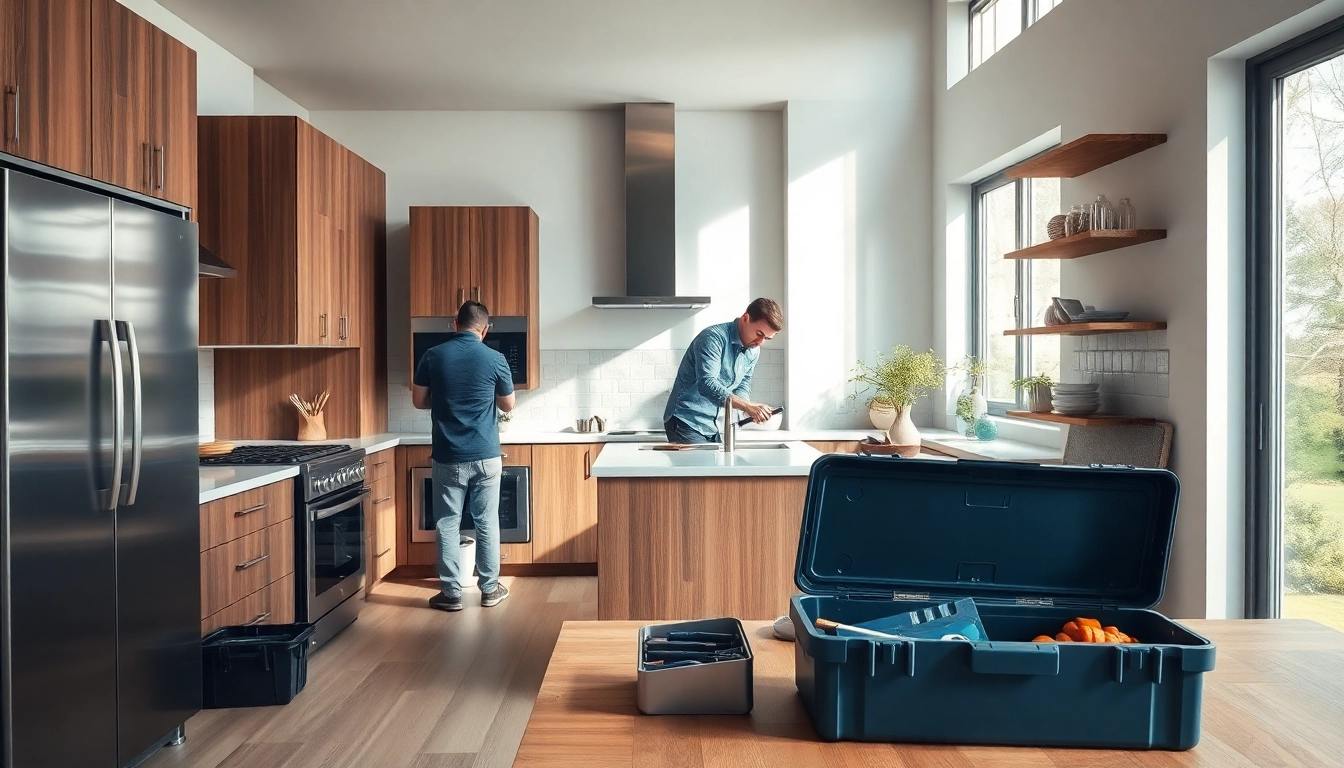
Understanding the Home Renovation Process
Home renovation is a complex and rewarding journey that can significantly enhance your living space and increase property value. Whether you're looking to update a single room or undertake a full home transformation, understanding the effective approaches and planning strategies is crucial. In this comprehensive guide, we will delve into various aspects of Home renovation, providing insights, tips, and practical guidance to help you navigate your project successfully.
Defining Your Goals for Home Renovation
The first step in any renovation project is to clearly define your goals. Are you seeking to create more space, modernize your home, or improve energy efficiency? Establishing specific objectives helps shape the direction of your renovations. For instance, families wanting a larger kitchen may focus their plans on creating an open-concept area that fosters family interaction and enhances entertaining options.
Identifying your goals also involves prioritizing your needs versus wants. While it can be tempting to consider elaborate additions such as a luxurious master suite, it’s important to balance that desire with practical considerations. Understanding your long-term vision will guide your choices throughout the renovation process, from design selections to budgetary constraints.
Budgeting for Your Home Renovation
Budgeting is often a complicated yet critical component of home renovation. Before embarking on your project, you should assess your financial situation and establish a comprehensive budget that covers all aspects of renovation, including materials, labor, permits, and potential unexpected costs.
A suggested method for effective budgeting is the 70% rule, which advises allocating approximately 70% of your renovation budget to actual construction costs and reserving at least 20% for unexpected expenses. This cushion will help mitigate financial stress as unforeseen challenges are common during renovation projects.
To further refine your budget, obtain multiple quotes from contractors, ensuring you have realistic expectations based on current market costs. This will help you identify the best value for your investment while allowing you to make informed decisions on materials or finishes, which can significantly influence your overall costs.
Choosing the Right Time for Home Renovation
Timing is another vital factor in your home renovation journey. While some homeowners may plan renovations during the winter months when contractors might be less busy, others may choose to capitalize on the warmer seasons when outdoor projects can be completed more efficiently.
Additionally, consider your personal schedule. Major renovations can disrupt daily routines, so selecting a time when family members are less affected by the construction process can alleviate stress. Planning ahead will enable a smoother transition during renovations, ensuring you remain engaged with the project without feeling overwhelmed by the chaos of construction.
Design Considerations for Home Renovation
With your goals established and budgeting in place, it’s time to turn your attention to design considerations that will shape your renovation projects. This section will explore how to incorporate modern trends while creating functional living spaces.
Incorporating Modern Trends into Your Home Renovation
Staying informed about the latest design trends can add modern appeal to your home and optimize space functionality. Presently, popular trends entail open concept layouts, sustainable materials, and smart home technology integration.
Open floor plans eliminate walls, providing a seamless flow between rooms and increasing light exposure, which can make spaces feel larger. Similarly, sustainable materials such as bamboo flooring and recycled countertops not only reduce environmental impact but also create a unique aesthetic that appeals to eco-conscious buyers.
Moreover, the integration of smart home technology can enhance your living experience. Features such as smart thermostats, security systems, and energy-efficient appliances facilitate convenience while boosting home efficiency.
Creating Functional Spaces in Home Renovation
Functionality should always accompany aesthetic considerations in home design. Spaces need to work for the inhabitants, so careful space planning is crucial. For instance, if you are renovating a kitchen, assess the workflow: can the chef reach the prep area, sink, stove, and refrigerator efficiently?
Consider designing zones within larger areas that encourage specific activities, such as homework spaces within a family room or reading nooks in bedrooms. Adding sufficient storage options further enhances functionality, preventing clutter and maintaining a polished appearance.
Balancing Aesthetics and Practicality in Home Renovation
Striking the right balance between aesthetics and practicality can be challenging but essential for a successful renovation. A professional aesthetic can elevate your home’s ambiance, but it shouldn’t come at the expense of functionality.
When selecting finishes and design elements, opt for materials that harmonize beauty with usability. Waterproof wallpapers and durable countertops combine an elegant look with practicality, ensuring longevity across high-traffic areas of your home.
Additionally, think about future-proofing your space. While trends may shift, classic or timeless designs remain appealing. Investing in quality furnishings and timeless colors can provide updates without requiring extensive renovations down the line.
Sourcing Materials and Professionals for Home Renovation
The materials and professionals you choose play a significant role in the success of your home renovation. This section discusses how to find quality materials and experienced contractors while understanding the importance of warranties.
Finding Quality Materials for Home Renovation
Quality materials are fundamental to achieving lasting results in your renovation project. To source high-quality options, explore local vendors, specialty boutiques, and online marketplaces focusing on reputable brands. Always read product reviews and check for certifications, which can indicate reliability and performance standards.
Additionally, consider balancing cost and quality. While it can be tempting to choose the lowest-priced options, investing in higher-quality materials can prevent future repairs or replacements, saving you more in the long run.
Selecting Experienced Contractors for Home Renovation
Choosing the right contractor can make or break your renovation experience. Start by conducting thorough research to identify credible, licensed professionals. Look for credentials and experience that align with your specific needs, as some contractors may specialize in certain areas, such as kitchen remodels or historic renovations.
Request references and check reviews to assess past performances. Clear communication regarding expectations, timelines, and project scope with your chosen contractor ensures transparency throughout the renovation process, setting the stage for a successful partnership.
Understanding Warranties and Guarantees in Home Renovation
Proper warranties and guarantees are crucial when choosing materials and contractors. These protections safeguard your investment, providing recourse should issues arise after the project is completed. Always inquire about the specifics of warranties during the planning phase.
For materials, guarantees can cover defects or premature wear, while vendor guarantees may reflect workmanship quality. Ensure that any spoken commitments from contractors are written into your contract. This documentation clarifies expectations and instills confidence in the project's outcomes.
Common Challenges in Home Renovation
While exciting, home renovation projects can carry their fair share of challenges. This section examines unexpected issues, timeline management, and tips for effective communication with your renovation team.
Dealing with Unexpected Issues during Home Renovation
Unexpected challenges can occur during renovations, from hidden structural damage to supply chain disruptions. One effective strategy is to maintain a flexible mindset; not every challenge can be predicted or planned for.
Establishing a contingency fund within your budget for unexpected expenses is essential. This fund should typically cover about 10–20% of your total renovation budget, providing you with financial backing to handle surprises without derailing your project.
In addition, having a trusted contractor who is adept at troubleshooting can alleviate stress when unexpected situations arise. Communication and collaboration can lead to innovative solutions, enabling your project to stay on track despite challenges.
Managing Timeline and Delays in Home Renovation
Time management is crucial to ensuring that your renovation project runs smoothly and efficiently. Setting realistic timelines in conjunction with your contractor will help to navigate delays more effectively. Inquire about lead times for materials, as sourcing delays can impact project timelines.
Scheduling regular check-ins with your team can help to address issues as they arise and keep all parties on the same page regarding progress. Utilize project management tools to monitor timelines, ensuring that everyone involved understands their responsibilities and deadlines.
Tips for Effective Communication with Your Team in Home Renovation
Effective communication is vital for a successful renovation experience. Establish a clear line of communication from the outset with your contractor and team members, discussing expectations, timelines, and working hours.
Scheduling regular progress meetings can be beneficial for maintaining momentum. During these meetings, encourage transparency—discuss any challenges faced and revisiting timelines or expectations if necessary. Open dialogue promotes a collaborative environment that can lead to informed decisions and a successful completion of your project.
Measuring Success Post-Home Renovation
Once your renovation is complete, it’s essential to evaluate the outcomes against your initial goals. This section will guide you on how to assess results, enhance value, and gather feedback for future improvements.
Evaluating Your Home Renovation Results
Evaluation begins with assessing whether your renovation has met your original objectives. Compare your before-and-after scenarios, examining how well the new space meets your lifestyle needs and enhances overall aesthetic appeal.
Soliciting feedback from family members and visitors can provide additional insights. This reflective process not only highlights successes but also areas for future improvement, contributing to future planning for subsequent renovations.
Enhancing Value and Comfort with Home Renovation
One of the primary goals of home renovation is to enhance property value while improving comfort for inhabitants. Modern kitchen remodels, for example, have a high return on investment, making them particularly desirable when assessing home value-enhancing options.
An increasingly popular trend is reimagining outdoor spaces to create functional living areas that extend your home’s appeal. Features like patios, decks, and outdoor kitchens can boost your property’s desirability and provide additional relaxation or entertainment space.
Gathering Feedback and Testimonials After Home Renovation
Post-renovation, soliciting feedback from your family and friends can provide valuable insights into their perception of the updates. Collecting testimonials can also serve as useful tools for future projects, whether you'll share them with potential contractors or use them for personal record-keeping.
Gathering testimonials and their feedback allows you to celebrate the successes of your renovations, reinforcing the value of your investment while preparing you for your next home improvement journey.