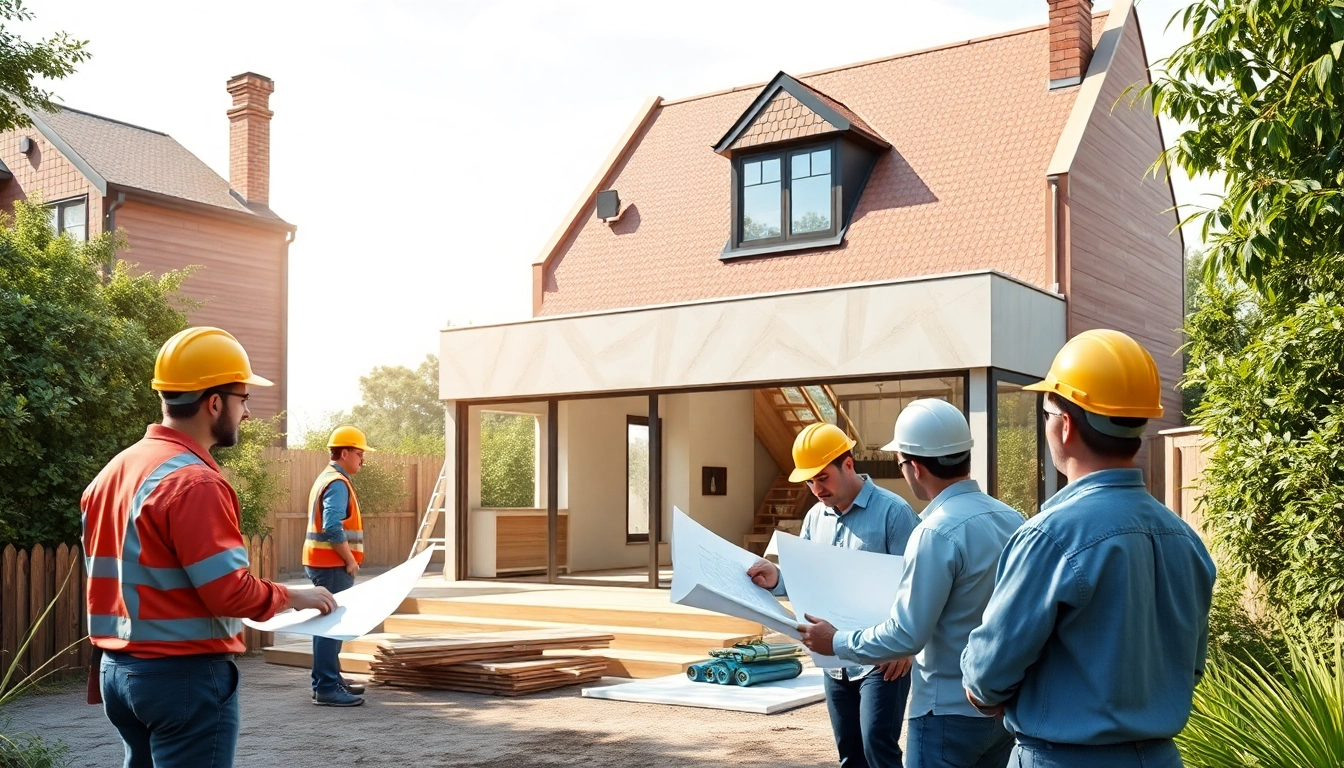
Why Consider a House Extension?
House extensions have increasingly become a popular choice for homeowners looking to enhance their living space without the hassle of moving. Expanding your property can transform the functionality and aesthetics of your home while also boosting its market value. With Melbourne's dynamic property landscape, a house extension construction can be a perfect solution to meet the demands of a growing family or to modernize your living space. When exploring options, house extension construction provides comprehensive insights into the design and construction process, ensuring your investment is worthwhile.
Benefits of Expanding Your Living Space
Increasing the square footage of your home offers numerous advantages:
- Increased Space: A house extension can provide much-needed room for family gatherings, work-from-home setups, or creative spaces.
- Customisation: Tailor your design to suit your lifestyle and preferences, whether it’s a larger kitchen, a home office, or an open-plan living area.
- Improved Functionality: An extension can enhance the usability of your home, making it more comfortable and efficient.
Enhancing Property Value through Extensions
Investing in a house extension can significantly increase your property’s market value. A well-executed extension not only improves your everyday living experience but also makes your home more attractive to potential buyers. According to real estate experts, properties with additional living space tend to sell faster and at higher prices, especially in competitive markets like Melbourne.
Choosing the Right Type of Extension for Your Needs
When planning your house extension, it’s essential to understand the various types available:
- Single-Storey Extensions: Ideal for expanding living areas or adding kitchens and bathrooms.
- Double-Storey Extensions: Perfect for maximising space on smaller lots without sacrificing outdoor areas.
- Loft Conversions: Utilises underused space and is often less intrusive than ground-level extensions.
Planning Your House Extension
Effective planning is the cornerstone of any successful house extension project. By considering your objectives, budget, and local regulations early on, you can set the stage for a smooth construction process. Engaging with reliable professionals will also help clarify the best path forward based on your unique requirements.
Key Considerations Before Starting the Process
Before jumping into construction, it’s vital to evaluate several factors:
- Space Requirements: Determine how much space you need and how it will be used. Are you extending to create a larger kitchen, a new bedroom, or an office?
- Design Preferences: Consider the architectural style of your current home and how the extension will integrate with it.
- Timeframe: Understand the timeline for your project, including design, permits, and construction.
Understanding Local Building Regulations
Melbourne has strict building regulations that govern house extensions. It is crucial to familiarize yourself with local council guidelines, zoning laws, and any planning permits required for your project. Non-compliance can lead to costly legal issues, so it’s wise to consult with professionals who understand the local landscape.
Collaborating with Professionals for Effective Planning
Partnering with an experienced builder and architect can make a significant difference in your house extension project. A professional can help you refine your ideas, ensure adherence to regulations, and create a realistic budget and timeline.
The House Extension Construction Process
The construction process for a house extension involves several key stages, each requiring careful execution and coordination. Understanding these steps can help you stay informed and engaged throughout the project.
Steps Involved in the Construction of a House Extension
The primary steps for house extension construction typically include:
- Initial Consultation: Discuss your ideas and needs with your builder, who will assess feasibility and provide recommendations.
- Design Development: Work with architects to create detailed plans that fit your vision and comply with local regulations.
- Permitting: Submit plans for council approval and secure necessary permits.
- Site Preparation: Clear existing structures if necessary and prepare the site for construction.
Site Preparation and Foundation Work
The foundation is one of the most critical aspects of your extension's durability and safety. Before construction can begin, careful site preparation must occur, including:
- Clearing the area of any debris.
- Excavating for footings and foundations.
- Laying down necessary groundwork to support the new structure.
Framing and Structural Integrity
Once the foundation is secure, the next phase involves framing, including walls, roof structures, and support beams. This step is essential to ensure the extension is structurally sound and integrates seamlessly with your existing home.
Key Features to Include in Your Extension
When planning your extension, consider incorporating key features that enhance both style and functionality. Here are some popular options:
Designing Open-Plan Living Areas for Modern Families
Open-plan designs promote connectivity in the home and can make spaces feel larger and more inviting. By eliminating walls between the kitchen, dining, and living areas, you create a functional layout ideal for family interaction and entertaining guests.
Incorporating Sustainable Features in Extensions
With increasing awareness around environmental issues, incorporating sustainable features can enhance your extension. Options include:
- Energy-efficient lighting and appliances.
- Insulation materials to reduce heating and cooling costs.
- Solar panels for renewable energy generation.
Custom Kitchen and Bathroom Designs
Your kitchen and bathrooms are often the focal points in any home. Tailoring these spaces to meet your family's needs can significantly improve comfort and functionality. Consider modern designs with high-quality materials, smart storage solutions, and the latest appliances to create spaces that are both beautiful and practical.
Choosing the Right Builder for Your House Extension
Selecting the perfect builder is paramount to the success of your house extension. The right contractor will have the experience, knowledge, and track record to manage your project efficiently and effectively.
Evaluating Builder Experience and Track Record
When searching for a builder, consider their experience in house extensions specifically. Check references, review past projects, and look for customer testimonials to gauge their capability and reliability.
Tips for Hiring Reliable Construction Professionals
To ensure you choose a trustworthy builder, follow these tips:
- Get multiple quotes and compare them to understand the market rate.
- Verify their licensing, insurance, and certifications.
- Ask about warranties and post-construction support services.
Understanding Cost Breakdown and Budgeting
Cost is a crucial factor in your house extension project. Be clear about your budget from the beginning, and discuss expected expenses with your builder. Common costs include:
- Design and planning fees
- Construction and material costs
- Permitting and legal fees
Benefits of a House Extension
The advantages of extending your home extend beyond merely increasing space. Consider these compelling benefits:
- Enhanced Quality of Life: More room contributes to a more comfortable and enjoyable living environment.
- Increased Property Value: Extensions can elevate your property’s market appeal and selling potential.
- Customization Potential: You can design the space to fit your unique lifestyle and needs.
Tips for a Smooth House Extension
To ensure that your house extension project goes smoothly, keeping the following tips in mind can be beneficial:
1. Define Your Needs
Clearly outline what you want from the extension. Consider how it fits into your lifestyle and any future needs that may arise.
2. Set a Budget
Be realistic about what you can afford, including potential contingencies for unexpected costs. Discuss your budget with your builder to prioritize essential features.
3. Get Permits and Approvals
Before construction begins, ensure all necessary permits and approvals have been secured to avoid delays.
4. Hire a Reliable Builder
Find a builder with a solid reputation and extensive experience in house extensions. This choice will affect the quality of your project and its timely completion.
Conclusion
A house extension construction project can be a transformative journey, enhancing your living space while adding significant value to your property. With careful planning, an understanding of the construction process, and the right professionals by your side, you can create a beautiful and functional space that meets your family's needs for years to come. Start your extension journey today and unlock the potential in your home.