Understanding the Role of a New Jersey Commercial General Contractor
When it comes to commercial construction or renovation projects, navigating the complexities of planning, execution, and management can be daunting. This is where a New Jersey Commercial General Contractor steps in, serving as a crucial partner in bringing your vision to life. Whether you’re building a new office, retail space, or any commercial property, understanding the contractor's role is essential.
Core Responsibilities
A New Jersey Commercial General Contractor wears many hats, overseeing various aspects of the construction process. Their core responsibilities often include:
- Project Management: Coordinating every phase from design to completion, ensuring timely progress and adherence to budget.
- Workforce Management: Hiring and supervising skilled labor, subcontractors, and other personnel necessary for completing the job.
- Quality Control: Implementing strict quality management processes to ensure that work meets specified standards and complies with local codes.
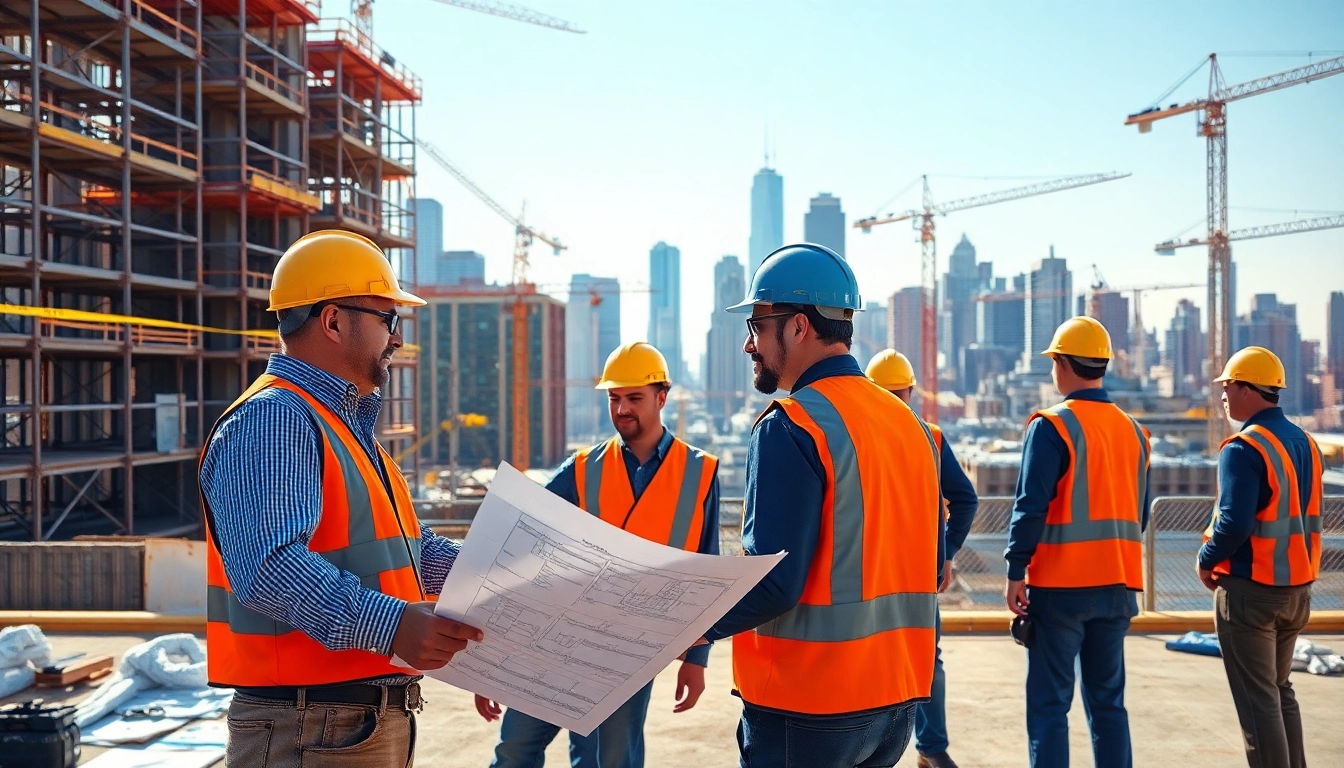
- Site Supervision: Regularly overseeing the worksite, ensuring safety compliance and monitoring project progress against timelines.
- Client Liaison: Acting as the main point of contact for clients, keeping them informed about the status and any potential issues that arise.
Permits and Regulations
Compliance with legal and safety regulations is paramount in the construction industry. In New Jersey, obtaining the necessary permits is critical to avoid costly delays and legal problems. A seasoned contractor will:
- Understand local zoning laws and how they apply to your project.
- Assist in acquiring required building permits, ensuring all plans comply with state and local codes.
- Implement safety standards on-site to protect workers and the surrounding community.
Specialization Areas
Commercial general contractors may specialize in different sectors. These specialization areas include:
- Retail Construction: Designing and building storefronts that attract customers and enhance shopping experiences.
- Office Space: Creating functional office environments that promote productivity and collaboration.
- Industrial Projects: Overseeing the construction of warehouses and manufacturing facilities that meet specific operational needs.
- Hospitality Development: Building hotels and resorts that focus on enhancing guest experiences while balancing design and operational efficiency.
Choosing the Right New Jersey Commercial General Contractor
Selecting a contractor for your commercial construction project is a decision that can significantly impact the project's outcome. Here are some crucial aspects to consider:
Evaluating Experience and Reputation
When interviewing potential contractors, assess their experience and reputation in the industry. This can involve:
- Reviewing their portfolio to see previous projects, paying attention to quality and scope.
- Checking certifications and industry affiliations that signify professionalism.
- Reviewing their standing with local business bureaus and any awards received in the construction field.
Gathering Project Estimates
Obtaining detailed project estimates from multiple contractors can offer valuable insights into costs and services. A thorough estimate should include:
- An itemized cost breakdown covering materials, labor, and other expenses.
- A timeline for project completion, outlining key milestones.
- Clarification on payment schedules and any contingency plans for unexpected costs.
Checking References and Reviews
Contacting references provided by a contractor can shed light on their reliability and work ethic. Seek feedback on:
- The contractor’s quality of work and adherence to timelines.
- Their ability to communicate effectively and manage unexpected challenges.
- Overall customer satisfaction and likelihood to recommend.
Effective Project Management Techniques
A key function of a New Jersey Commercial General Contractor involves effective project management. Implementing effective techniques can streamline operations and enhance efficiency, as discussed below.
Planning and Scheduling Fundamentals
Effective project planning can dramatically influence overall success. Good practices include:
- Developing a comprehensive project plan that outlines phases, resources, and timelines.
- Utilizing project management software tools to keep track of tasks and deadlines.
- Regularly updating the plan to reflect progress and any changes that emerge.
Team Coordination and Communication
Effective communication between stakeholders and team members plays a vital role in project success. Strategies for improving coordination include:
- Establishing clear channels of communication and setting expectations upfront.
- Conducting regular meetings to discuss status updates and address issues immediately.
- Fostering a collaborative environment where all team members feel valued and heard.
Risk Management Strategies
Anticipating and managing potential risks is essential in construction. Mitigation strategies include:
- Conducting risk assessments to identify potential issues before they occur.
- Setting aside contingency funds for unexpected expenses or delays.
- Incorporating flexibility within project timelines to accommodate unforeseen challenges.
Cost Factors Influencing Commercial Construction
Understanding the various cost factors that influence commercial construction will help you prepare a realistic budget. The common expenses include:
Material and Labor Expenses
Material and labor costs can account for a significant portion of any construction budget. Various factors that influence these costs include:
- Market fluctuations affecting the price of essential materials like steel, concrete, and lumber.
- Labor availability, skill levels, and wage rates in the New Jersey area.
- Purchasing agreements and bulk material discounts that may benefit overall costs.
Budgeting and Financial Planning
A well-structured budget is critical for the successful execution of a project. Key budgeting tactics include:
- Establishing a comprehensive budget that clearly lists all expected costs.
- Regularly monitoring expenditures against the budget and adjusting as necessary.
- Including all potential costs upfront, including permits, insurance, and inspections.
Overcoming Cost Overruns
Cost overruns can place significant strain on projects. To prevent this, contractors may:
- Maintain strict oversight on project spending and regularly revise cost estimates.
- Implement a transparent change order process for any modifications to the original scope.
- Engage in open discussions with clients about budget impacts when risks arise.
FAQs About New Jersey Commercial General Contractors
What services do New Jersey Commercial General Contractors provide?
They offer project management, construction supervision, and ensure compliance with all applicable regulations during construction.
How do I choose the right contractor for my project?
Evaluate experience, check references, and gather detailed estimates from multiple contractors to determine who best fits your project needs.
What is the typical timeline for a commercial construction project?
Project timelines can vary greatly based on size and complexity, ranging from several months to over a year for larger developments.
Are permits required for commercial construction in New Jersey?
Yes, acquiring necessary permits and ensuring compliance with local building codes is mandatory for all commercial construction projects.
How can I control costs during construction?
Establish a clear budget, monitor ongoing expenses closely, and collaborate with your contractor to make informed decisions throughout the project.