Understanding Intelligent Video Analytics
Definition and Importance
Intelligent video analytics refers to the advanced manipulation of video data using artificial intelligence (AI) and machine learning techniques. This technology allows for real-time interpretation and analysis of video footage, making it invaluable across numerous sectors. By leveraging intelligent video analytics, organizations can make data-driven decisions, enhance security, and optimize operations across various applications.
How Intelligent Video Analytics Works
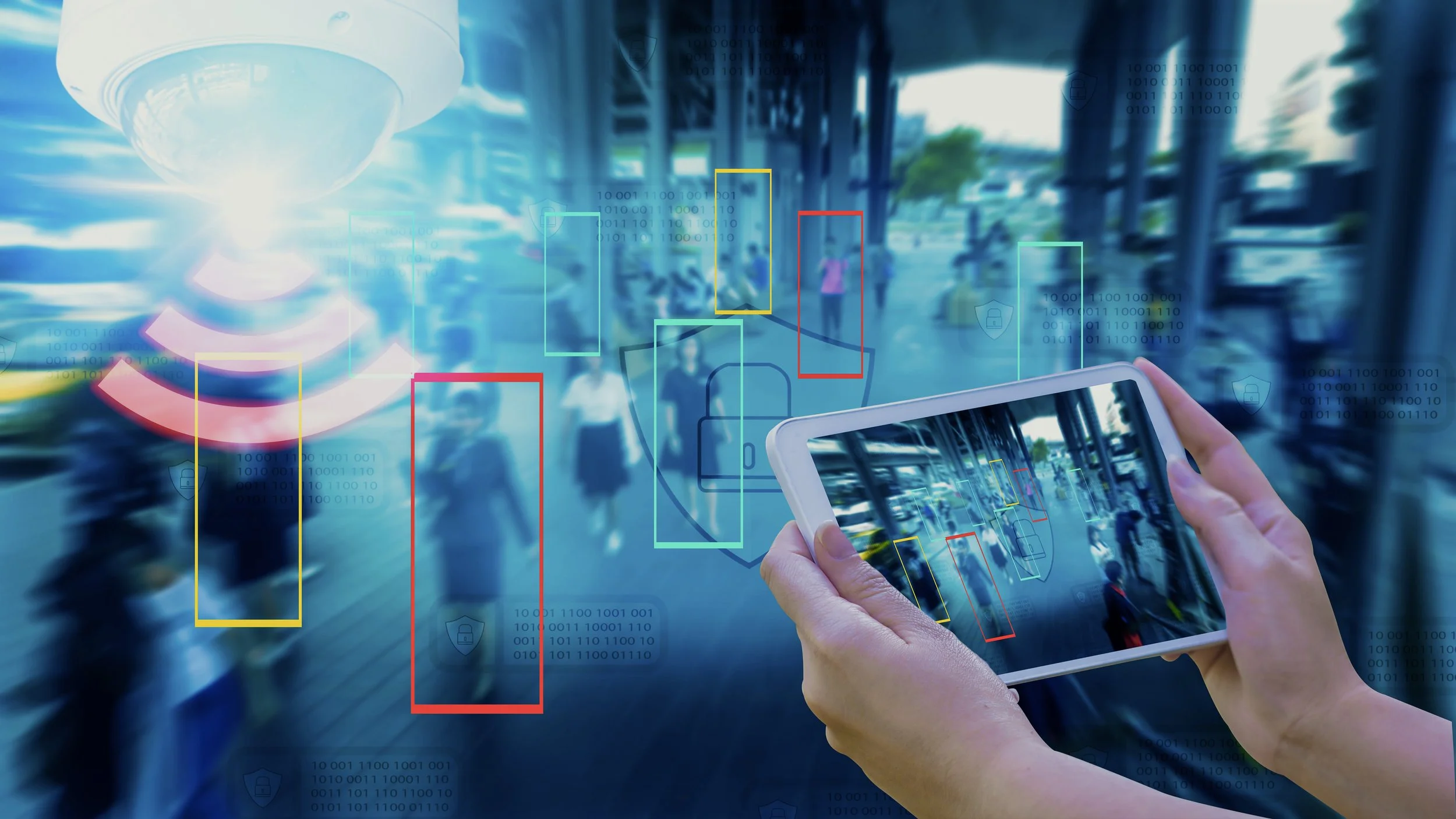
At its core, intelligent video analytics processes visual data from cameras, detecting specific patterns, movements, or activities. The system employs algorithms—often based on deep learning neural networks—to extract meaningful information from both live and recorded footage. By examining visual cues such as motion, object recognition, and scene categorization, it can automatically generate alerts or insights based on predefined conditions.
Key Technologies Behind the Scenes
The technology underpinning intelligent video analytics includes several advanced methodologies:
- Computer Vision: This field of AI enables systems to interpret and understand visual data by breaking down images into formats that machines can analyze.
- Deep Learning: Utilizing layers of neural networks, deep learning allows for higher accuracy in recognizing complex patterns and objects within video streams.
- Machine Learning: Algorithms in this category learn from data over time, enhancing the system’s ability to identify anomalies or trends without direct programming for each scenario.
- Real-time Processing: This capability allows systems to analyze video data as it streams, providing instant insights or alerts, which is crucial for applications like surveillance.
Applications of Intelligent Video Analytics
Security and Surveillance
The foremost application of intelligent video analytics is in security and surveillance systems. By analyzing footage in real-time, systems can detect unauthorized access, monitor crowd densities, and recognize suspicious behavior. This ensures a safer environment for both individuals and property. With continual advancements, the accuracy and efficiency of these systems improve, reducing false alarms while increasing threat detection capabilities.
Retail and Customer Engagement
Intelligent video analytics empowers retailers by analyzing customer interactions and behaviors within stores. By tracking foot traffic, dwell times, and purchase patterns, retailers can optimize store layouts and improve customer experiences. Additionally, such analytics offer insights into customer demographics, enabling targeted marketing strategies that can significantly increase sales.
Smart Cities and Traffic Management
The integration of intelligent video analytics into urban infrastructure facilitates smarter traffic management. Cameras equipped with video analytics can monitor traffic flows, detect incidents, and manage congestion in real-time. This technological capability not only increases road safety but also enhances public transport efficiency, contributing to a reduction in carbon emissions by leading to more streamlined transportation systems.
Benefits of Implementing Intelligent Video Analytics
Real-time Monitoring
One of the standout features of intelligent video analytics is its ability to provide real-time monitoring capabilities. This immediacy helps organizations respond swiftly to unfolding events, be it in security scenarios, retail environments, or traffic management. Immediate alerts may result in law enforcement or security personnel reacting promptly to suspicious behavior or traffic incidents.
Data-Driven Decision Making
The analytics provided by intelligent video systems support data-driven decision-making processes across multiple domains. Organizations can make informed choices regarding resource allocation, marketing strategies, and operational efficiencies. The insights derived from video analytics lead to smarter business practices that can significantly enhance overall performance.
Cost Reduction and Efficiency
Implementing intelligent video analytics systems can result in substantial cost savings. By automating monitoring processes, businesses reduce the need for human surveillance, allowing for a more efficient use of resources. In retail, for instance, understanding customer behaviors leads to better inventory management and reduced waste, ultimately contributing to profitability.
Common Challenges in Intelligent Video Analytics
Data Privacy and Compliance Issues
As intelligent video analytics involves collecting and analyzing visual data, data privacy is a significant concern. Organizations must comply with regulations such as GDPR and CCPA. By establishing clear policies on data usage, storage, and access, businesses can ensure compliance while maintaining the integrity of their analytics efforts.
Ensuring Accuracy and Reliability
The accuracy of video analytics systems hinges on the quality of the input data and the sophistication of the algorithms used. Continuous training of the AI models with diverse datasets can enhance reliability. Implementing regular system evaluations can also help identify and mitigate any inaccuracies that may arise from environmental changes or unforeseen events.
Integration with Existing Systems
Integrating intelligent video analytics with existing infrastructure can pose challenges. Organizations often need to ensure compatibility with legacy systems while also maximizing the benefits of the new technology. A phased approach to implementation, coupled with extensive testing, can ease the transition and make integration more seamless.
Future Trends in Intelligent Video Analytics
Advancements in AI and Machine Learning
As AI and machine learning technologies continue to develop, intelligent video analytics systems will become even more sophisticated. Expect enhanced predictive analytics capabilities, with systems not only reacting to current situations but also anticipating future occurrences. These improvements will lead to proactive decision-making, particularly in security and risk management.
Emerging Use Cases and Industries
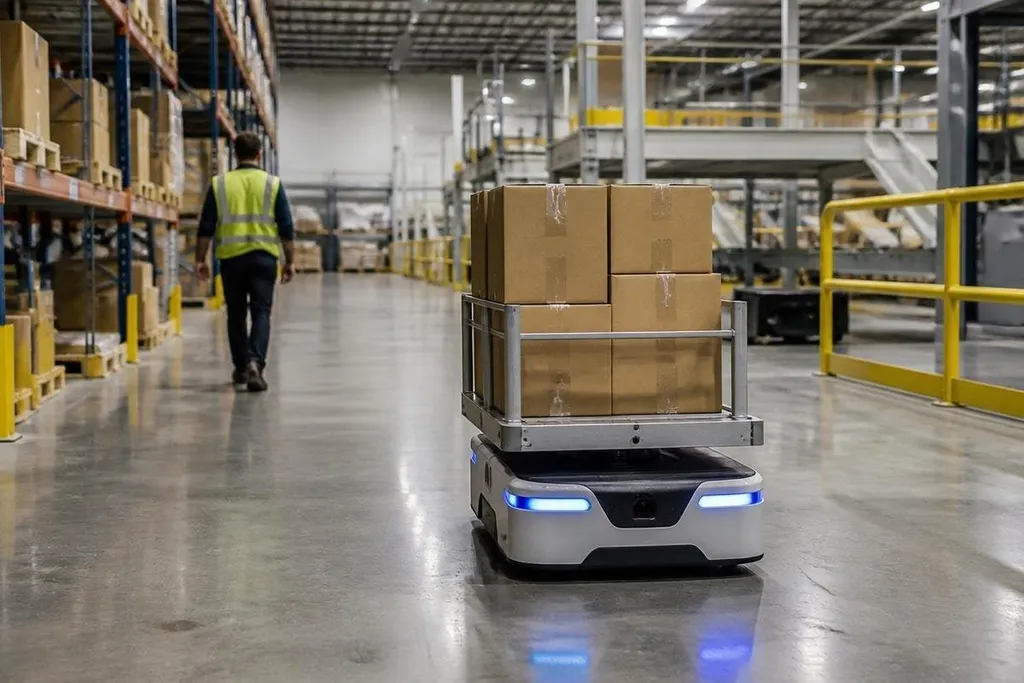
The versatility of intelligent video analytics means that new applications are continuously emerging. Sectors such as healthcare, agriculture, and logistics are beginning to utilize video analytics for patient monitoring, crop surveillance, and supply chain optimization, respectively. As technology proliferates, more industries will uncover innovative use cases.
Proactive Threat Detection Techniques
The future of intelligent video analytics will see a significant shift towards proactive rather than reactive measures in threat detection. Advanced algorithms will increasingly focus on identifying trends to preemptively address security concerns. This proactive stance enhances safety, particularly in high-risk environments.
Frequently Asked Questions
1. What is intelligent video analytics?
Intelligent video analytics involves using AI and computer vision technologies to analyze video footage, recognizing patterns in real-time to derive actionable insights.
2. How does intelligent video analytics enhance security?
By analyzing live video feeds, intelligent video analytics can detect unusual behaviors, notify authorities immediately, and provide evidence for investigations, thereby enhancing security.
3. Can intelligent video analytics be used in retail?
Yes, in retail, it helps analyze customer behavior, optimize store layouts, and manage inventory effectively, leading to improved sales and customer satisfaction.
4. What challenges does intelligent video analytics face?
Challenges include data privacy concerns, ensuring algorithm accuracy, and effectively integrating with existing systems—all of which require strategic solutions.
5. What is the future of intelligent video analytics?
The future includes advancements in AI for proactive threat detection, emerging use cases across various industries, and increased integration with smart technology for comprehensive analysis.