Understanding the Evolution of EV Charging News
The landscape of electric vehicle (EV) charging has transformed dramatically over the last decade. As adoption rates rise and environmental awareness grows, understanding the evolution of EV charging technology and infrastructure becomes crucial for stakeholders across various sectors. A comprehensive understanding of evolving industry trends can aid in navigating the emerging territory of EV charging news, providing insights into consumer behavior, market forces, and future direction.
Historical Overview of EV Charging Technology
The journey toward efficient EV charging systems started in the late 19th century with the introduction of electric vehicles. However, it wasn't until the early 21st century that significant advancements occurred in charging technology. Initially, the charging process was slow and cumbersome, characterized by simple home outlets that took several hours to recharge a vehicle. This limitation led to the development of dedicated charging stations, offering various levels of charging speeds.
Significant milestones include the introduction of Level 2 chargers, which significantly reduced charging time by utilizing a 240V outlet, and the emergence of DC fast charging, which enabled rapid charging in under an hour. As the EV market began to expand, innovations such as smart charging technology and dynamic load management emerged, providing consumers with more efficient and user-friendly options.
Current State of EV Charging Infrastructure
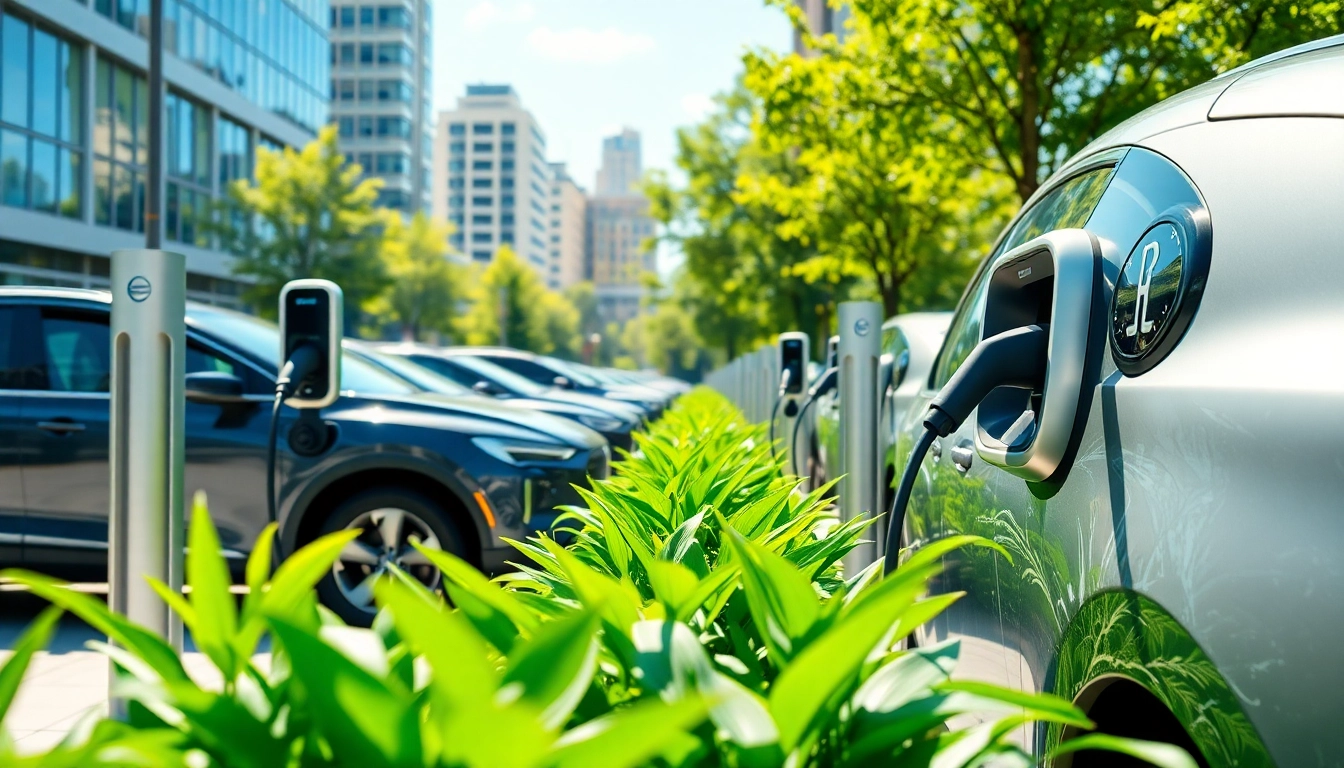
As of now, the EV charging infrastructure comprises a network of public and private charging stations strategically placed to accommodate the growing number of electric vehicles. Charge point operators have sought to enhance user experience by introducing mobile applications that provide real-time information about the availability of charging stations, wait times, and pricing.
Nationwide initiatives have also bolstered infrastructure, with government support facilitating the installation of charging stations in urban and rural locations. The United States, in particular, has seen a significant increase in charging stations, with over 200,000 public chargers available across the country. This growth has been fueled by both consumer demand and the necessity for a comprehensive network to support the anticipated transition to an electric vehicle fleet.
Future Predictions in EV Charging News
The future of EV charging news is poised for further innovations driven by technological advancements and changing consumer preferences. Predictions suggest that charging times will continue to decrease as new technologies, such as ultra-fast chargers that can replenish a vehicle's battery in minutes, become widely available.
Moreover, as governments continue to implement policies and incentives to promote EV adoption, we can expect more integration of renewable energy sources in the charging process. The shift toward a greener grid requires a more sustainable approach to EV charging, potentially resulting in solar-powered charging stations and energy-sharing networks among EV owners.
Key Challenges in EV Charging News
Infrastructure Accessibility and Location Issues
Despite the impressive growth in EV charging infrastructure, several challenges persist. Accessibility remains a significant concern, particularly in underserved and rural areas. While urban centers have witnessed a boom in charging stations, rural regions often lack adequate coverage, leading to range anxiety among potential EV adopters.
Moreover, the placement of charging stations can be less than ideal. In many cases, chargers are situated in inconvenient locations, making it difficult for users to find and access them. Efforts must be made to ensure that charging stations are equitably distributed and that they are placed near prevalent routes and in easily accessible areas.
Range Anxiety: Addressing the Concerns
Range anxiety is one of the most commonly cited reasons for hesitance in adopting electric vehicles. This phenomenon stems from concerns about the distance a vehicle can travel on a single charge and the subsequent availability of charging stations along intended routes. While advancements in battery technology have increased ranges significantly, some consumers remain skeptical.
To combat range anxiety, educating consumers about charging options and infrastructure improvements is essential. By providing information about charging networks, charging speeds, and distance ranges, stakeholders can help consumers feel more confident when transitioning to electric vehicles.
Cost Considerations for EV Charging Systems
The costs associated with EV charging infrastructure can also pose a significant challenge. The installation of charging stations involves substantial investments, both in terms of equipment and infrastructure. As a result, many potential operators may be deterred from entering the market. Additionally, the variable costs of electricity can impact users' experiences, making it critical for service providers to offer competitive pricing models.
Strategies to address cost concerns might include exploring partnerships with municipal governments, offering incentives for installation, and allowing for innovative pricing models, such as peak pricing to encourage off-peak charging. These approaches can help balance the financial burden while providing users with accessible charging options.
Innovative Solutions in EV Charging News
Advancements in Charging Technology
Innovation is at the heart of the EV charging revolution. Recent advancements have introduced technologies such as ultra-fast charging solutions, which are capable of delivering significant power, allowing vehicles to gain charge in as little as 10–15 minutes. This capability significantly reduces charging downtime and enhances the user experience.
Additionally, there are ongoing developments in battery technology itself. New battery chemistries are being researched that could extend range, reduce charging times, and enhance overall performance. These innovations are pivotal in creating a sustainable future for electric mobility.
Smart Charging Networks and Their Benefits
Smart charging networks have emerged from the need to enhance charging experiences and integrate renewable energy sources. By utilizing data analytics, these networks can manage energy distribution intelligently, ensuring that charging occurs during off-peak hours, thus lowering costs and optimizing energy usage.
Furthermore, smart charging can facilitate vehicle-to-grid (V2G) technologies, allowing EVs to feed energy back into the grid during peak demand periods. This exchange not only helps stabilize energy supply but also benefits EV owners financially, creating a symbiotic relationship between electric vehicles and the power grid.
Wireless Charging Trends in EVs
The rise of wireless charging technology indicates a significant leap toward convenience in EV charging. By eliminating the need for physical connectors, wireless charging offers seamless charging experiences for EV owners. This technology can be integrated into public charging stations and even residential settings, offering users a hassle-free experience.
While the technology is still maturing, its potential can redefine user behaviors by eliminating concerns about manual connections and compatibility. As adoption grows and technology advances, it could become a standard feature in future electric vehicles.
Impact of EV Charging News on Consumers
Consumer Behavior and Adoption Rates
The dynamic nature of EV charging news significantly influences consumer behavior and adoption rates. With the constant flow of updates regarding charging technologies, infrastructure developments, and government incentives, consumers are continuously exposed to new opportunities and considerations.
As awareness increases, many consumers weigh the benefits of adopting electric vehicles against their traditional counterparts. Fugitive price trends, including potential cost savings from lower fuel expenses and maintenance, serve as further motivation. Consequently, staying informed about EV charging news equips consumers with the necessary knowledge to make informed decisions.
Government Incentives and Support Programs
Government incentives play a critical role in shaping the EV market and, subsequently, consumer behaviors. Incentives such as tax credits, rebates, or grants for EV purchases and charging station installations provide additional motivation for consumers to transition to electric vehicles.
Support programs aimed at expanding charging infrastructure make it easier for consumers to adopt EVs without concerns about range anxiety or lack of accessibility. Remaining updated on these initiatives ensures that consumers are aware of available offerings and assistance, allowing them to take advantage of these financial programs.
Community Impact: Local Benefits of EV Charging
The proliferation of EV charging stations has far-reaching consequences beyond just providing a means for electrified vehicles to recharge. Local communities greatly benefit from the installation of these charging points, which can lead to increased foot traffic and enhanced local economies.
Moreover, the establishment of a robust charging infrastructure fosters community involvement in sustainability efforts by promoting cleaner air and reduced greenhouse gas emissions. As more residents transition to electric vehicles, they contribute to a healthier environment, paving the way for sustainable urban development.
Staying Updated with EV Charging News
Reliable Sources for the Latest News
Accessing accurate and timely information is vital for stakeholders in the EV sector. Numerous reputable sources offer comprehensive coverage of developments in the EV market, such as trade publications, industry reports, and news websites dedicated to electric mobility. Subscribing to these channels ensures consumers stay privy to the latest advancements and trends associated with EV charging.
Utilizing Analytical Tools for Market Insights
To navigate the fast-paced evolution of the EV charging landscape effectively, utilizing analytical tools that provide real-time data and insights can prove invaluable. Data analytics tools can help stakeholders anticipate market shifts, understand consumer behavior, and identify emerging trends, enabling informed decision-making.
These analytical frameworks can garner data from consumer surveys, charging station usage reports, and policy developments, providing a well-rounded understanding of the current market environment.
Community Engagement: Sharing News and Information
Finally, community engagement emerges as an essential facet of staying informed in the rapidly evolving EV charging landscape. Collaborating with local organizations, partaking in forums, and participating in community events can foster an environment of shared learning and information dissemination. Emphasizing community discussions about electric mobility can create positive momentum, encouraging consumers and businesses to be part of the transition to sustainable transportation.