Understanding Structural Steel Fabrication
Structural steel fabrication is a cornerstone of modern construction, providing the vital framework for a wide array of structures, from bridges and skyscrapers to factories and warehouses. This process comprises a series of steps that convert raw steel into usable components for building projects. The precision and quality involved in structural steel fabrication are critical not only for structural integrity but also for safety and durability. This article will explore the intricacies of structural steel fabrication, including its processes, materials, safety standards, applications, techniques, and future trends within the industry.
Overview of Structural Steel Fabrication Processes
The fabrication of structural steel involves several key processes, which can be broadly categorized into four main stages:
- Design and Drawing: This initial stage involves architects and engineers creating detailed designs of structural components, including specifications for dimensions, weight, and load-bearing capacities. Advanced software tools, such as Computer-Aided Design (CAD) software, are frequently employed to enhance accuracy.
- Cutting and Shaping: After the design phase, raw steel materials are sourced and prepared. This stage includes cutting the steel into specified dimensions, using tools like saws, lasers, or plasma cutters. Shaping may also involve bending or welding from flat plates to desired profiles.
- Assembly: Components are then assembled, which may include the joining of individual pieces through welding, bolting, or riveting to form the final structure. The assembly must adhere to precise specifications to ensure structural integrity.
- Finishing: The final fabrication process includes cleaning, surface preparation, and application of protective coatings to prevent corrosion. This step is crucial for ensuring the longevity and durability of the steel components when exposed to environmental factors.
Key Materials Used in Structural Steel Fabrication
The most common materials used in structural steel fabrication include:
- Steel Alloys: Various steel grades, such as mild steel, high-strength low-alloy steel (HSLA), and stainless steel, are selected based on their mechanical properties, which determine their suitability for specific applications.
- Coating Materials: Protective coatings, including paint or galvanization, are essential for preventing rust and corrosion. The selection of coatings can significantly influence the longevity of the fabricated structures.
- Fasteners: Bolts, nuts, and bolts made from different metals are integral to structural assemblies. They must meet specific standards to ensure strength and reliability.
Importance of Safety Standards in Fabrication
Safety is paramount in structural steel fabrication, with numerous standards and regulations established nationally and internationally. Organizations like the American Institute of Steel Construction (AISC) and OSHA provide guidelines that govern safety practices at fabrication sites. Some key aspects include:
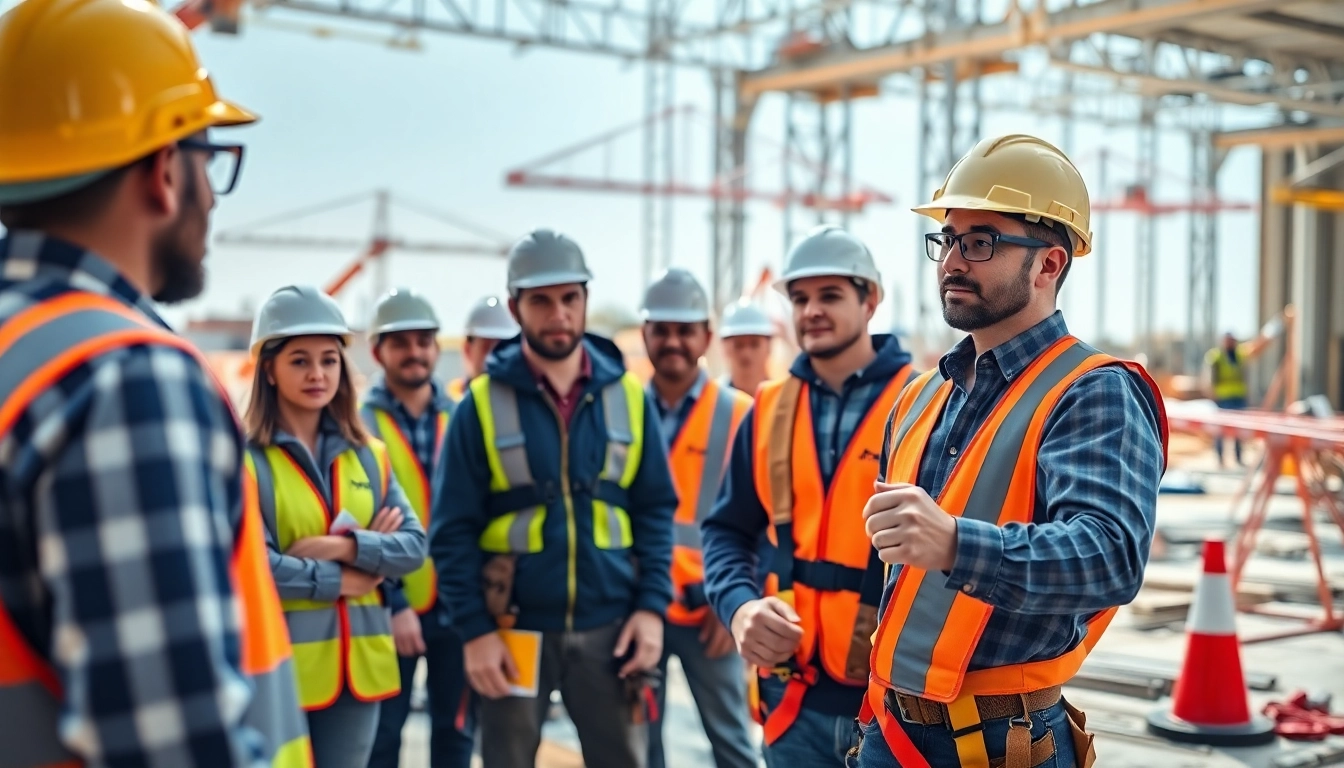
- Employee Training: Rigorous training programs are necessary to ensure that all personnel are aware of safety procedures and proper handling of materials.
- Quality Control Measures: Regular inspections and adherence to safety codes reduce the risk of accidents and structural failures.
- Use of Personal Protective Equipment (PPE): Adequate PPE must be provided and enforced for employees to protect them from hazards such as falling objects or exposure to harmful substances.
Common Applications of Structural Steel Fabrication
Structural steel fabrication is applied across various sectors. Its versatility and strength make it a preferred choice for many construction projects.
Commercial Building Projects
In commercial construction, structural steel is used in the creation of office buildings, shopping centers, and hotels. Its ability to support heavy loads and allow for spacious interior designs without the need for extensive internal support columns makes it ideal for these applications. Case studies of high-rise buildings showcase how structural steel allows large glass facades, improving aesthetics and natural light within spaces.
Infrastructure Developments
Infrastructure projects, such as bridges, highways, and railways, extensively utilize structural steel for its robust characteristics. Steel bridges, for instance, can span long distances with minimal support, optimizing material use while ensuring effective load distribution. A notable example includes the Golden Gate Bridge, where steel fabrication played a crucial role in creating a structure that is both iconic and functional.
Industrial Uses and Manufacturing
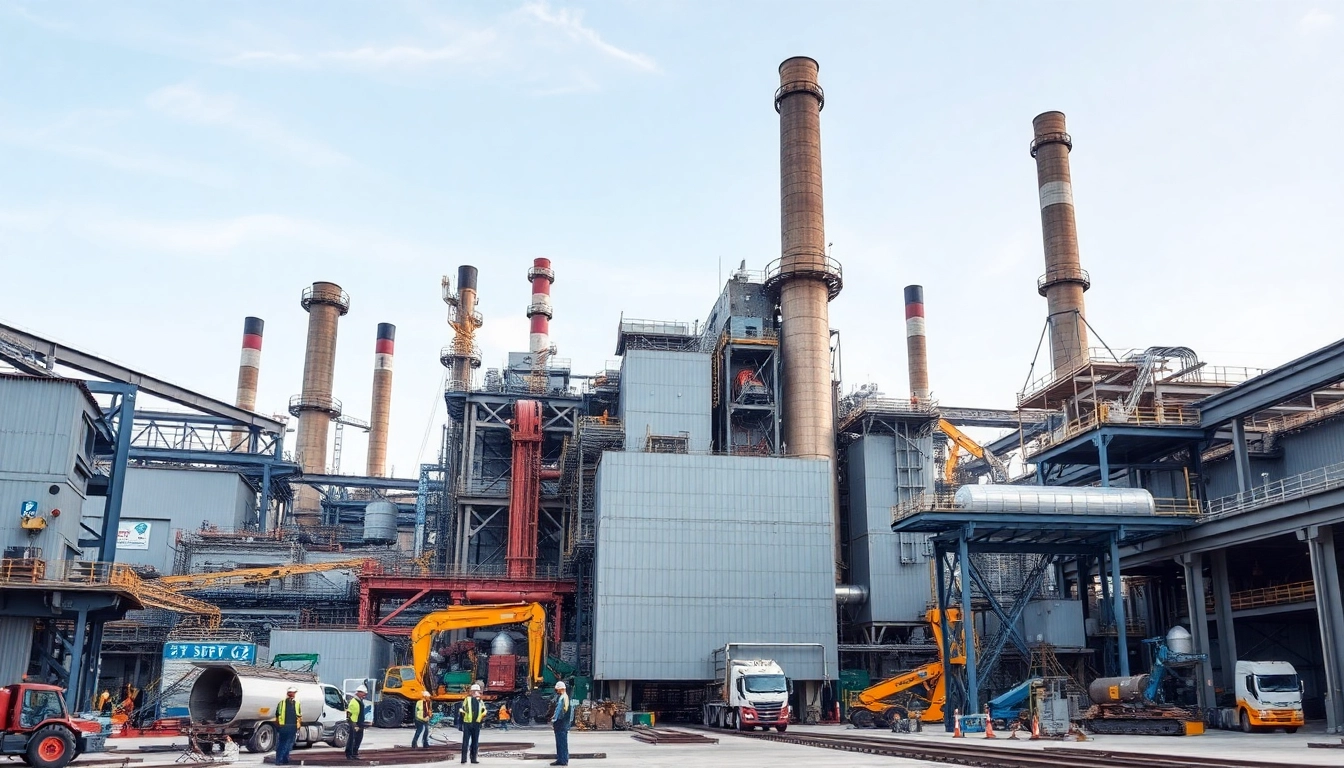
In industrial contexts, structural steel is fundamental in constructing warehouses, manufacturing plants, and power facilities. These structures often require large open spaces to facilitate operations, making steel framing ideal. The manufacturing process also benefits from steel’s adaptability, allowing for quick modifications and expansions when necessary.
Techniques and Technologies in Structural Steel Fabrication
Modern structural steel fabrication has significantly evolved with technological advancements, enhancing efficiency, accuracy, and safety.
Modern Welding Techniques
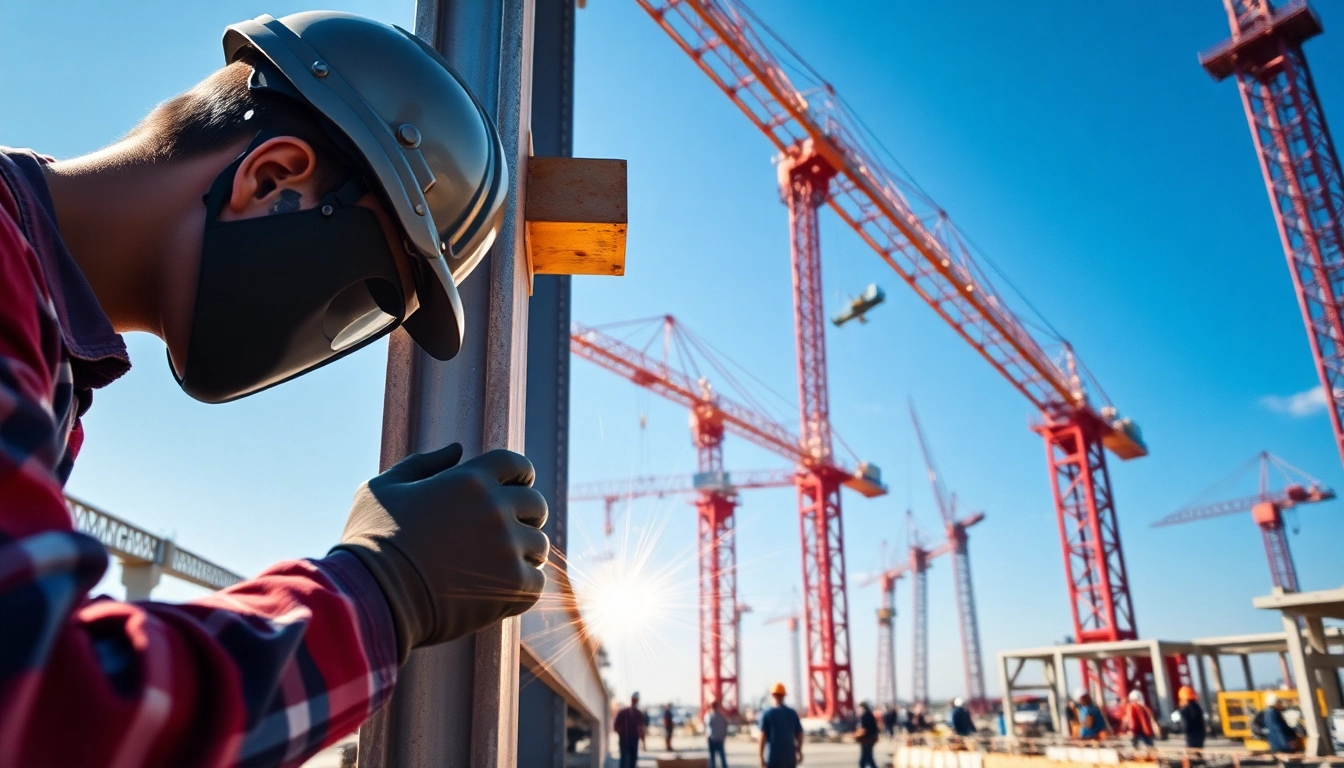
Welding remains one of the most critical processes in structural steel fabrication. Today, various techniques, including MIG (Metal Inert Gas), TIG (Tungsten Inert Gas), and Flux-Cored Arc Welding, are utilized. These methods offer different advantages, such as speed, penetration, and the ability to weld in diverse positions. Innovations in robotic welding systems also contribute to enhanced productivity and uniformity in welds.
CNC Machining in Fabrication
Computer Numerical Control (CNC) machining has revolutionized the cutting and shaping phase of steel fabrication. CNC machines allow for precise cuts and complex geometries that are difficult to achieve manually. This technology minimizes waste and ensures that components meet exact specifications, thus leading to improved overall quality.
3D Printing and Additive Manufacturing
Though still in its nascent stages within structural steel applications, 3D printing is emerging as a viable complement to traditional fabrication methods. Additive manufacturing can produce complex parts that reduce the need for assembly and can lead to weight savings. Its potential for rapid prototyping allows for quicker iterations during the design phase, saving time and cost during the development of new projects.
Choosing the Right Fabrication Service Provider
Selecting the appropriate fabrication service provider is critical to the success of any construction project involving structural steel. Several factors should guide this decision.
Evaluating Quality Assurance Practices
Quality assurance is essential in the fabrication process. When evaluating potential providers, ask about their quality control certifications and practices. This includes understanding how they perform inspections and what standards they adhere to—such as the ISO 9001 certification, which ensures consistent quality in products and services.
Key Questions to Ask Potential Suppliers
Before making a selection, consider asking potential suppliers the following questions:
- What materials do you typically work with, and do you have experience with specific grades of steel?
- Can you provide references or case studies from past projects?
- What is your typical turnaround time on projects, and how do you handle delays?
- What safety procedures do you have in place at your facility?
Understanding Cost and Timeline Expectations
Cost and timeline are vital components of any fabrication project. Be sure to discuss your budget constraints and timeline requirements early in the conversation with suppliers. Understand the breakdown of costs, including materials, labor, and any additional services offered. Clarity in these aspects will facilitate a smoother project experience and help avoid any unexpected financial burdens later.
Future Trends in Structural Steel Fabrication
The structural steel fabrication sector is continuously evolving, with several trends shaping its future. Staying aware of these can help stakeholders anticipate changes and adapt accordingly.
Innovations Shaping the Industry
Technological advancements are paving the way for substantial innovations in structural steel fabrication. From automated machinery to enhanced project management software, tools that improve workflow efficiency are increasingly integral. In particular, modular construction techniques, where components are fabricated off-site and assembled on-site, are gaining traction for their ability to save time and reduce labor costs.
Sustainability in Steel Production
Environmental considerations are leading to a shift towards more sustainable practices in steel production. Industries are looking at ways to reduce carbon footprints, including using recycled materials and improving energy efficiency in manufacturing processes. Sustainable steel production methods employing electric arc furnaces (EAFs), which use electricity to melt recycled steel scrap, are becoming more prevalent.
Digital Transformation and Automation
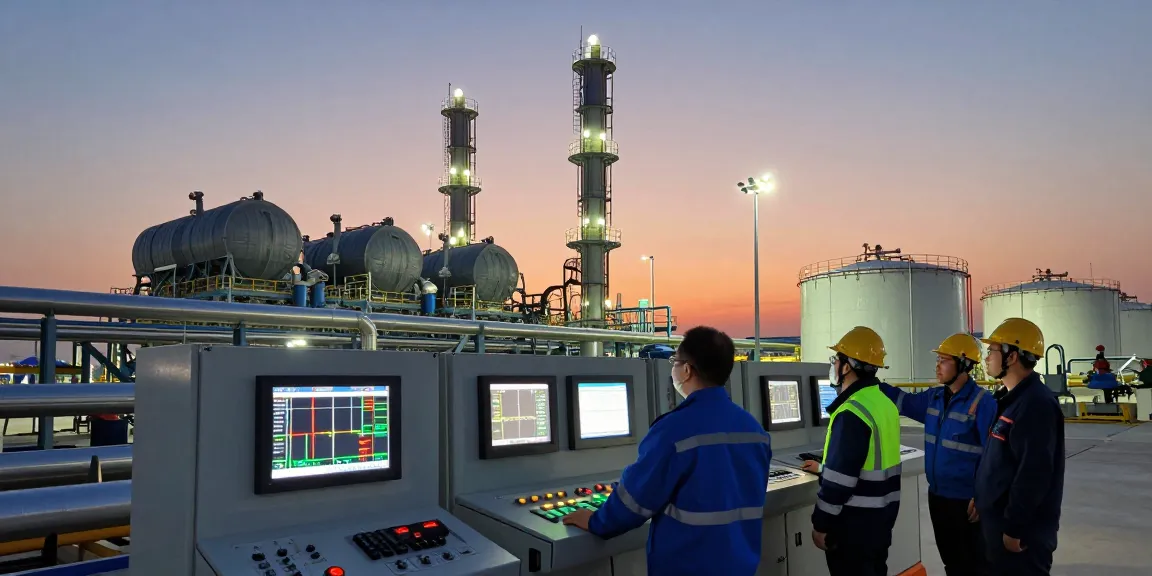
The integration of digital technologies, including the Internet of Things (IoT) and AI, is transforming operational practices in structural steel fabrication. These advancements allow for real-time monitoring and automation of fabrication processes, leading to more efficient operation and reduced wastage. Furthermore, adopting Building Information Modeling (BIM) facilitates better planning and collaboration throughout the construction lifecycle.