Understanding Yoga Mudras
Definition of Yoga Mudras
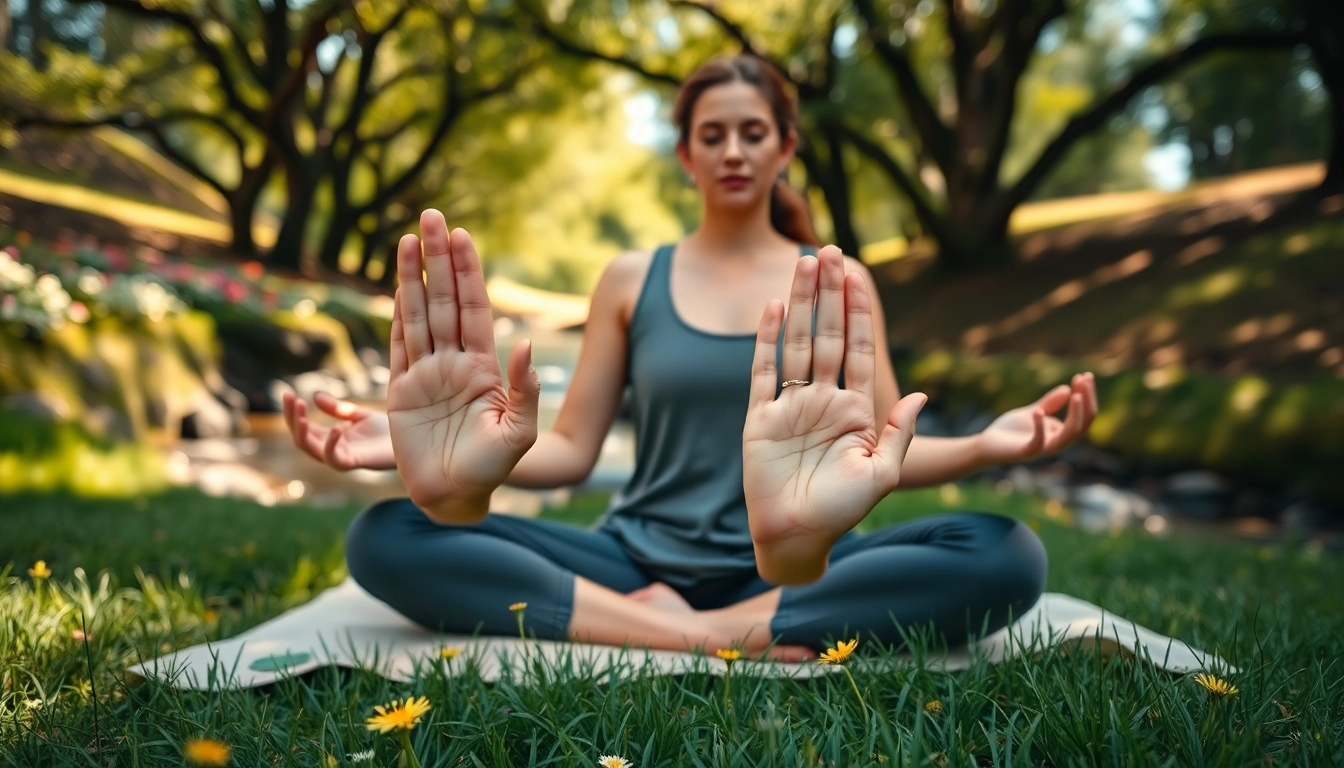
Yoga mudras are symbolic hand gestures that play an essential role in yoga and meditation practices. Derived from the Sanskrit word "mudra," which translates to "seal" or "gesture," these hand positions are believed to channel energy within the body, helping restore balance and promoting mental clarity. In a yoga context, mudras are more than mere decorative gestures; they serve as practical tools that enhance the flow of prana, or life force energy, throughout the body. By integrating Yoga mudras into practice, individuals can deepen their meditative experience and facilitate a more profound connection to themselves.
Historical Significance and Origins
The practice of Yoga mudras dates back thousands of years, with roots in ancient Indian philosophy and spiritual traditions. They have been documented in various sacred texts, including the Vedas and Upanishads. Historically, Yoga mudras were employed not only in yoga and meditation but also in performing rituals, where they symbolized intentions and focused energies toward specific outcomes. Over time, they became intertwined with various spiritual practices across different cultures, including Buddhism, where they were used to enhance meditative states and depict divine attributes.
Benefits of Practicing Yoga Mudras
The benefits of practicing Yoga mudras are manifold, offering a holistic approach to physical, mental, and spiritual wellness. Some of the primary advantages include:
- Enhanced Energy Flow: Specific mudras can redirect energies in the body, addressing blockages and enhancing overall vitality.
- Increased Focus and Clarity: Engaging the hands through sacred gestures can ground the mind, aiding concentration during meditation.
- Emotional Balance: Certain mudras trigger emotional responses, helping practitioners manage stress, anxiety, and results in a state of calm.
- Physical Health Improvement: Regular practice of mudras can support various bodily functions, promoting better digestion, improved immunity, and heightened relaxation.
The Science Behind Yoga Mudras
How Yoga Mudras Influence Energy Flow
The human body operates on intricate energy systems, including the chakras, which are energy centers that correspond to different physical, emotional, and spiritual aspects of our being. Yoga mudras influence these energy pathways by creating specific patterns of touch, which can alter and redirect energy flow. For example, the Gyan mudra, formed by touching the tip of the thumb to the tip of the index finger, is said to evoke clarity and knowledge, making it an ideal gesture for practice when seeking insight or learning.
Connection Between Mudras and Mental State
Numerous studies highlight the profound relationship between physiological postures, including hand gestures, and mental states. The simple act of engaging in a mudra can stimulate the nervous system, encouraging relaxation responses in the body. This link between physical gestures and mental clarity can significantly enhance meditation practices, allowing practitioners to experience deeper states of tranquility and focus. The physiological effects of these gestures can lead to reduced levels of stress hormones and improved emotional resilience.
Research Studies Supporting Yoga Mudras
While traditional wisdom espouses the benefits of Yoga mudras, contemporary research offers scientific validation to these claims. Studies have shown that consistent practice of Yoga mudras can lead to measurable changes in brain activity associated with relaxation and stress reduction. For instance, research indicates that practicing specific mudras can influence measurable outcomes in heart rate variability, blood pressure, and cortisol levels, thereby supporting claims that mudras significantly enhance well-being.
Common Yoga Mudras and Their Uses
Overview of Popular Yoga Mudras
There exists an array of mudras, each associated with distinct benefits and uses. Below are some of the most widely practiced Yoga mudras:
- Gyan Mudra: Often used in meditation, it symbolizes knowledge and enlightenment.
- Prana Mudra: Associated with activating life force, it enhances vitality and rejuvenation.
- Shuni Mudra: Known for promoting patience and wisdom, this mudra is believed to empower decision-making.
- Anjali Mudra: A gesture of respect and gratitude, it is commonly used in prayer and meditation settings.
Guides to Health Benefits of Each Mudra
Understanding the specific health benefits associated with each mudra can help practitioners discern how best to incorporate them into their wellness routines. For instance:
- Gyan Mudra: Enhances cognitive ability and concentration, making it ideal for students or individuals undertaking creative tasks.
- Prana Mudra: Stimulates energy levels, helping those who feel fatigued or lethargic.
- Shuni Mudra: Cultivates patience and calm, making it effective for individuals experiencing frustration or anxiety.
- Anjali Mudra: Fosters a sense of connection and mindfulness, aiding in developing gratitude and presence.
How to Integrate Mudras into Daily Practice
Incorporating Yoga mudras into a daily routine can be seamless. Here’s how:
- Start with Mindfulness: Before engaging in any mudra, take a moment to center your mind, focusing on your breath.
- Choose Your Mudra: Select a mudra that aligns with your current needs or intentions.
- Maintain Comfort: Ensure that your hands are relaxed and at a comfortable angle.
- Pair with Breathing Exercises: For enhanced benefit, practice your chosen mudra alongside deep breathing exercises.
- Regular Practice: Consider dedicating a specific time each day to practice your mudras consistently for maximum effectiveness.
Advanced Techniques with Yoga Mudras
Combining Mudras with Breathing Exercises
For those seeking to deepen their yoga practice, combining mudras with focused breathing techniques offers a powerful enhancement. Techniques such as alternate nostril breathing (Nadi Shodhana) can be paired with specific mudras, amplifying their effects on energy flow and mental clarity. Engaging in this practice not only enhances the overall experience but also contributes to a more profound meditative state, helping to calm the mind and center the spirit.
Using Mudras for Meditation and Focus
Incorporating Yoga mudras during meditation can serve as an anchor, aiding focus and grounding practitioners in their present experience. For example, using Anjali Mudra during the beginning or end of a meditation session can foster feelings of gratitude and reflection. Similarly, using the Gyan Mudra throughout the duration of meditation promotes a mindset steeped in wisdom and knowledge, allowing practitioners to embrace a deeper connection with their inner selves.
Troubleshooting Common Challenges
While Yoga mudras are accessible, practitioners may encounter challenges when integrating them into their routine. Common difficulties include maintaining the correct form, distractions during practice, and doubts regarding their effectiveness. To address these challenges:
- Seek Guidance: Utilize instructional resources such as videos or classes to ensure proper form.
- Eliminate Distractions: Create a designated practice space that is quiet and free from interruptions.
- Trust the Process: Allow time for your practice to evolve, recognizing that benefits may take time to manifest.
Creating a Personal Yoga Mudra Routine
Assessing Your Needs and Goals
Creating a personalized Yoga mudra routine begins with assessing your individual needs and goals. Take the time to reflect on areas of your life or practice where you seek improvement. This could range from enhancing focus during work to managing emotional stress. Once you've identified your objectives, you can better select appropriate mudras that align with these aspirations.
Building a Customized Mudra Practice
Once you have a clear understanding of your intentions, begin to build your customized mudra practice by selecting a handful of gestures that resonate with your goals. Start with a specific combination, aiming for a balanced approach contrasting calming and energizing mudras. For instance, integrating Prana Mudra for vitality with Shuni Mudra for patience can create a harmonious routine enhancing both energy and emotional stability.
Tracking Progress and Benefits Over Time
Monitoring the impacts of your mudra practice over time can prove valuable. Maintain a journal to note your experiences, changes in focus, emotional wellness, and overall vitality. Regular reflections on your practice enable you to adapt and refine your approach, ensuring that your mudras continue to serve your needs effectively. This practice of reflection not only fosters personal growth but allows you to witness the profound transformations that arise from sustained dedication to Yoga mudras.