
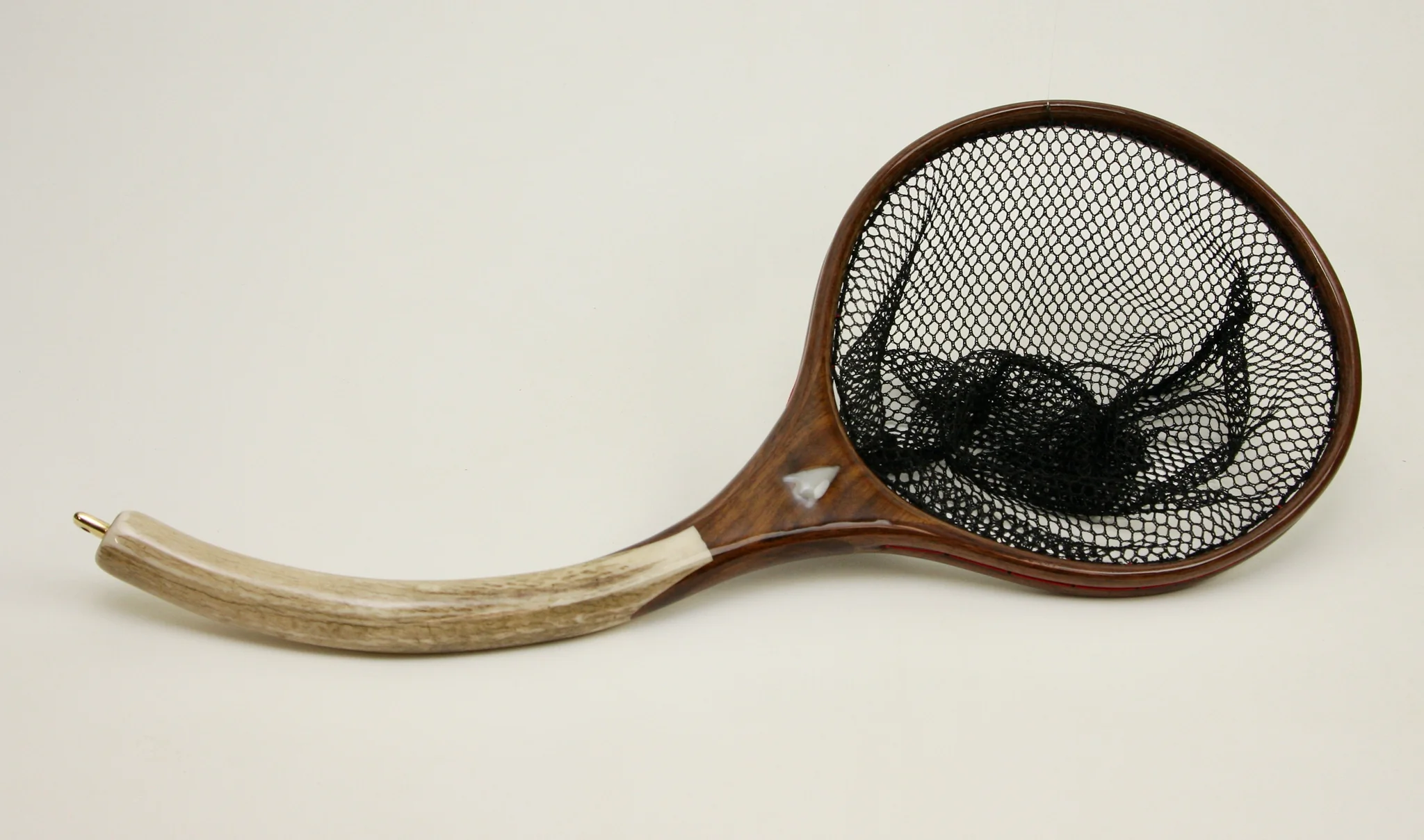
Fly fishing is a sport that combines skill, patience, and a deep connection with nature. Whether you are a seasoned angler or a beginner, having the right equipment can make a significant difference in your fishing experience. One piece of gear that often gets overlooked but is essential for any fly fisher is the fly fishing net. A high-quality net not only helps you land fish safely but also ensures minimal harm to the fish, preserving their health for release. In this guide, we will walk you through everything you need to know about choosing the perfect fly fishing net.
Why a Fly Fishing Net Is Essential
A fly fishing net is more than just a tool for scooping up fish. It plays a crucial role in fish conservation and angler safety. When you catch a fish, handling it with bare hands can remove protective slime and increase stress, potentially harming the fish. Using a net minimizes direct contact, which is especially important for catch-and-release fishing. Additionally, a well-designed fly fishing net helps prevent fish from escaping during landing, giving you more control and confidence in your angling.
Types of Fly Fishing Nets
When selecting a fly fishing net, understanding the different types available is key. The main types include:
- Traditional Wooden NetsWooden nets offer a classic look and sturdy build. They are lightweight, making them easy to carry on long fishing trips. Many anglers prefer wooden fly fishing nets for their durability and aesthetic appeal.
- Rubber Mesh NetsRubber nets are popular for catch-and-release fishing because they are gentle on fish. Unlike nylon nets, rubber does not tangle hooks, making it easier to land fish without injury. If you prioritize fish safety, a rubber fly fishing net is an excellent choice.
- Collapsible or Travel NetsFor anglers on the move, collapsible fly fishing nets are highly convenient. They fold down for easy storage in your backpack or boat, without compromising functionality.
Key Features to Look For
When purchasing a fly fishing net, there are several features to consider:
- Size and Depth: The size of the net should match the type of fish you target. A deeper net is better for larger fish, while a shallow net works well for smaller species.
- Handle Length: Longer handles provide extra reach, especially when fishing from a boat or bank. However, shorter handles are easier to maneuver in tight spaces.
- Net Material: As mentioned, rubber nets are best for fish safety, while nylon nets are more affordable and lightweight.
- Frame Design: A lightweight, durable frame ensures the net is easy to use without compromising strength. Some nets feature extendable or detachable handles for versatility.
Tips for Using a Fly Fishing Net
Proper use of your fly fishing net can make a big difference in your fishing success. Here are some tips:
- Always wet your net before landing a fish to reduce friction and protect the fish's slime coat.
- Use a gentle scooping motion rather than forcing the fish into the net.
- Avoid leaving the fish in the net for too long, as prolonged confinement can stress the fish.
- Make sure your net is the right size for your typical catch to prevent accidental escapes.
Maintenance and Care
To maximize the lifespan of your fly fishing net, regular maintenance is essential. Rinse your net with fresh water after each use, especially if you fish in saltwater environments. Check the frame and handle for any signs of wear or damage, and ensure that rubber or nylon mesh remains free from tears. Storing your fly fishing net in a cool, dry place will also prevent material degradation and keep it ready for your next fishing trip.
Common Mistakes to Avoid
Many anglers make simple mistakes when using a fly fishing net. Avoid lifting the fish by its tail, as this can injure the fish. Do not use your net as a scoop to drag fish out of the water, and avoid nets with rough or abrasive materials that can harm delicate fish scales. Choosing the wrong size net or ignoring maintenance can also reduce its effectiveness and longevity.
Choosing the Right Fly Fishing Net for You
Selecting the right fly fishing net depends on your specific needs and fishing style. If you primarily fish in rivers and streams, a lightweight, compact net may be ideal. For larger lakes or saltwater fishing, a larger frame with a long handle may be more practical. Consider your priority: fish safety, portability, durability, or aesthetics. By balancing these factors, you can find a fly fishing net that enhances both your fishing efficiency and enjoyment.
In conclusion, investing in a high-quality fly fishing net is essential for any serious angler. From protecting the fish and ensuring successful landings to enhancing the overall fishing experience, the right net makes a significant difference. By understanding the types of nets, key features, proper usage, and maintenance, you can confidently select a net that suits your style and needs. Remember, a great fly fishing net is not just a tool—it’s a partner in your angling adventures, helping you enjoy the sport responsibly while preserving the health of the fish you catch.