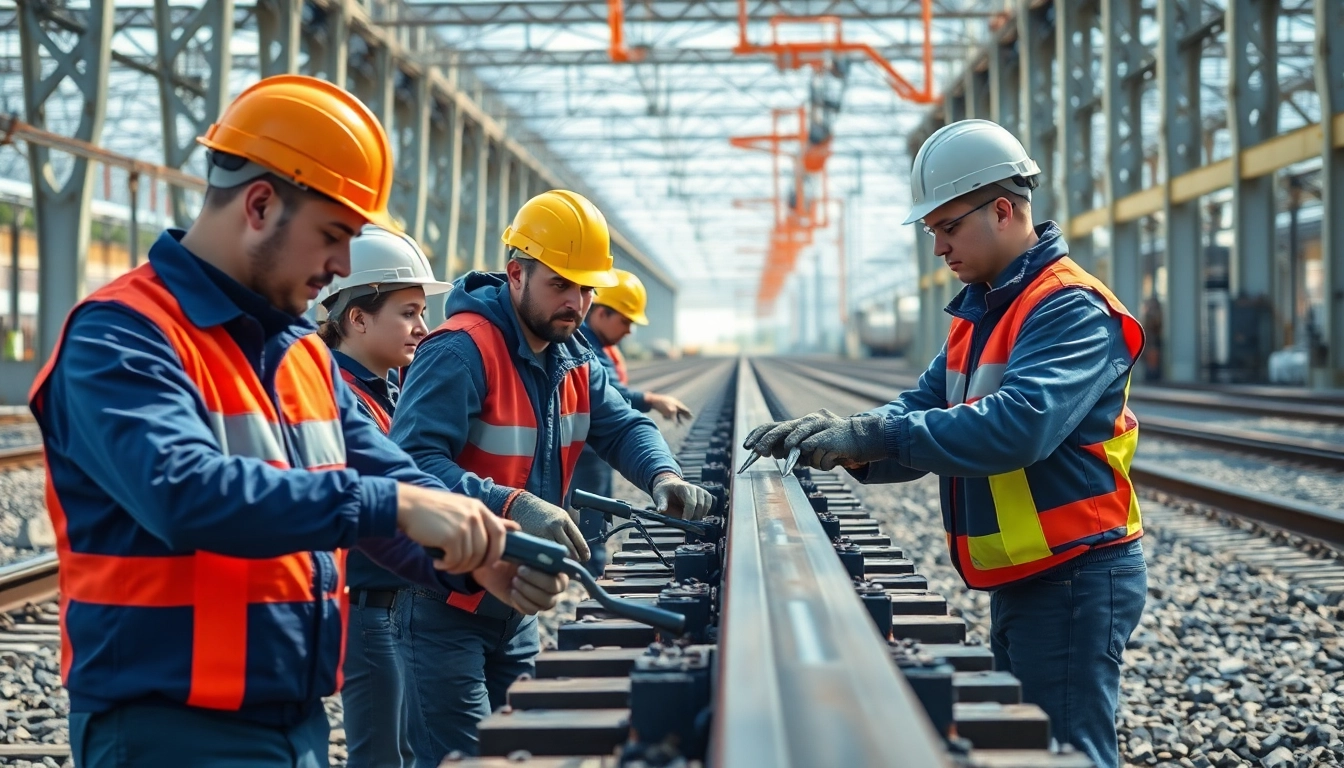
Understanding Rail Jobs: Overview and Importance
The rail industry serves as a crucial component of global logistics and transportation networks. With increasing demands for efficient and sustainable transport solutions, the significance of rail jobs has never been at the forefront of public discussion. These jobs not only support economies but also provide essential services that foster connectivity and trade on a large scale.
What Are Rail Jobs?
Rail jobs encompass a wide range of positions focused on operating, maintaining, and developing rail systems. This includes everything from train conductors, dispatchers, and technicians to engineers and administrative staff. Each role contributes to the safe and efficient functioning of rail transport, meeting the growing consumer and industry demands.
The Role of Rail Jobs in Transportation
Rail jobs play an integral part in the transportation ecosystem. They facilitate the movement of thousands of passengers and millions of tons of freight annually. Trains often emerge as a preferred mode of transport because they are cost-effective, energy-efficient, and capable of moving large volumes over long distances. The complexities of rail systems require skilled professionals to ensure their safety and reliability.
Key Skills Required for Rail Jobs
The skill set required for rail jobs varies by position. Core competencies often include:
- Technical knowledge of trains and rail systems
- Problem-solving abilities to handle unexpected situations
- Strong communication skills for teamwork and safety protocols
- Attention to detail for compliance with regulations
- Physical stamina and manual dexterity for operational roles
Types of Rail Jobs Available
Rail jobs can be broadly categorized based on their functions within the industry. Understanding these categories can help job seekers focus their career pursuits effectively.
Operational Rail Jobs
Operational jobs are pivotal in the everyday functioning of rail systems. They include roles such as train operators, conductors, and signal personnel. These positions are typically frontline, dealing directly with train operations, passenger services, and safety compliance.
Maintenance Rail Jobs
Maintenance jobs ensure that rail infrastructure and rolling stock remain in optimal working condition. Workers in this sector perform inspections, repairs, and upgrades on tracks, trains, and related equipment, minimizing the risk of accidents and service disruptions.
Engineering Rail Jobs
Engineering roles focus on the design and innovation of rail systems. Professional engineers in this sector tackle everything from planning new routes and developing safer technologies to enhancing existing rail networks. Positions can vary from civil and mechanical engineers to project managers and planners.
How to Prepare for Rail Jobs
Preparing for a career in the rail industry requires careful planning and education. Following specific steps can enhance prospects in this competitive field.
Education and Certification Requirements
Most rail jobs require at least a high school diploma, while many technical and engineering positions necessitate specialized training or a degree in relevant fields. Various certification programs also exist to help job seekers enhance their credentials and demonstrate their expertise.
Resume Tips for Rail Jobs
Crafting an effective resume for rail jobs involves emphasizing relevant experience and skills. Prospective candidates should focus on specific rail-related knowledge while showcasing soft skills like communication and teamwork. It can also be beneficial to customize resumes for different job applications.
Networking in the Rail Industry
Building a professional network can significantly impact job search success. Attending industry conferences, joining rail-related associations, and engaging in online forums can help job seekers connect with current professionals, uncover job openings, and access insider knowledge.
Challenges in the Rail Jobs Market
While the rail industry offers many opportunities, it also poses several challenges that candidates should be aware of as they pursue careers.
Industry Competition
The competition for rail jobs can be fierce, especially in metropolitan areas. As such, candidates must differentiate themselves through specialized skills, certifications, and hands-on experience. Engaging in internships or co-op programs can also enhance a resume significantly.
Technological Changes Impacting Rail Jobs
With the rapid evolution of technology, rail jobs are continuously changing. Automation, AI, and smart technologies are reshaping operational roles, leading to a demand for newer skills such as data analysis and system management. Keeping abreast of technological trends is crucial for prospective employees.
Safety Measures and Regulations
Safety regulations play a vital role in the rail industry. Employees must be well-versed in safety protocols and emergency procedures. Continuous training and adherence to compliance standards are necessary to foster a secure working environment.
Future of Rail Jobs: Trends and Predictions
The future of rail jobs appears promising, marked by advancements in technology and sustainability. As society increasingly prioritizes climate change solutions, rail jobs are evolving to meet these demands.
Emerging Technologies in Rail Jobs
Emerging technologies like automated systems, drones for inspections, and predictive maintenance analytics are revolutionizing the rail sector. Professionals versed in these technologies are likely to be in high demand, as these innovations enhance efficiency and safety across operations.
Green Initiatives and Sustainability in Rail Jobs
With a rising focus on sustainability, rail jobs are also incorporating green initiatives into their processes. Many companies are investing in eco-friendly technologies and sustainable practices to reduce their carbon footprint. Careers supporting these initiatives will continue to grow in importance.
Job Growth Projections for Rail Jobs
Job growth in the rail industry is projected to remain robust due to increasing infrastructure investments and rising passenger and freight transport demands. Individuals entering the field can expect expanding opportunities in various specialties, provided they stay informed and adaptable to industry changes.
FAQs About Rail Jobs
1. What types of positions exist within rail jobs?
Rail jobs range from operational roles like conductors and engineers to maintenance and engineering positions, including track inspectors and design engineers.
2. Are there certification programs available for rail jobs?
Yes, there are various certification programs available for differing roles in the rail sector, including safety training, technical qualifications, and specialized rail courses.
3. What skills are most valued in rail jobs?
Key skills include technical knowledge, problem-solving abilities, communication skills, and attention to detail, along with physical stamina for operational roles.
4. How can I effectively network in the rail industry?
Networking strategies include attending conferences, joining rail associations, participating in online industry forums, and connecting with professionals through LinkedIn.
5. What is the future outlook for rail jobs?
The future looks promising, with rising demand for sustainable transport, technological advancements, and a steady influx of investments expected to generate job growth.