Introduction to Structural Steel Fabrication
Structural steel fabrication is a crucial component of modern construction, serving as the backbone of countless buildings and infrastructures across the globe. It involves the preparation, alteration, and assembly of steel to create the frame that supports various architectural projects. Whether for commercial skyscrapers, bridges, or industrial facilities, the process of structural steel fabrication plays a fundamental role in ensuring safety, durability, and longevity of structures. Understanding the nuances of this process, its applications, and its intrinsic benefits will provide insights into why it remains a preferred choice in construction.
Definition and Importance of Structural Steel Fabrication
At its core, structural steel fabrication is the art and science of shaping and assembling steel components into predefined forms. This process typically includes cutting, bending, and assembling various steel elements such as beams, columns, and trusses to create a steel structure that is both functionally sound and visually appealing. The importance of structural steel fabrication cannot be overstated: it provides the framework upon which all other aspects of construction rest.
Beyond mere structural integrity, the use of steel allows for more significant design flexibility and greater spans compared to traditional building materials. It can be easily shaped and assembled to meet complex architectural requirements, making it indispensable in modern construction.
Applications in Various Industries
From residential buildings to massive commercial centers and industrial facilities, the applications of structural steel fabrication are vast and varied. Notably, sectors such as construction, shipbuilding, and manufacturing heavily rely on this method to fulfill their structural needs.
1. Commercial Construction: Tall office buildings and shopping complexes often utilize steel frameworks to provide the necessary support while maximizing open spaces.
2. Industrial Applications: Factories and production facilities benefit from robust steel structures that can withstand heavy machinery and operational stress.
3. Infrastructure Development: Bridges, tunnels, and systems that support essential services like power and transportation heavily incorporate structural steel fabrication for durability and reliability.
4. Residential Projects: Emerging trends in modern architecture are leading to an increase in prefabricated steel homes due to their durability and energy efficiency.
Key Benefits of Using Structural Steel Fabrication
The advantages of implementing structural steel fabrication are multiple, with some of the most significant benefits including:
- Strength and Durability: Steel is known for its impressive strength-to-weight ratio, making it ideal for constructing large and heavy structures that withstand adverse conditions.
- Design Flexibility: The versatility of steel fabrication allows architects and engineers to explore innovative designs, leading to unique, one-of-a-kind structures.
- Reduced Construction Time: Pre-fabrication of steel components leads to faster on-site assembly, ultimately reducing the overall timeline of construction projects.
- Cost-Effectiveness: Although the initial cost may seem higher, the longevity and reduced maintenance concerns of steel structures often lead to lower lifetime costs.
- Sustainability: Steel is a recyclable material, making structural steel fabrication a more environmentally sustainable option compared to other materials.
Processes Involved in Structural Steel Fabrication
Steps of the Fabrication Process
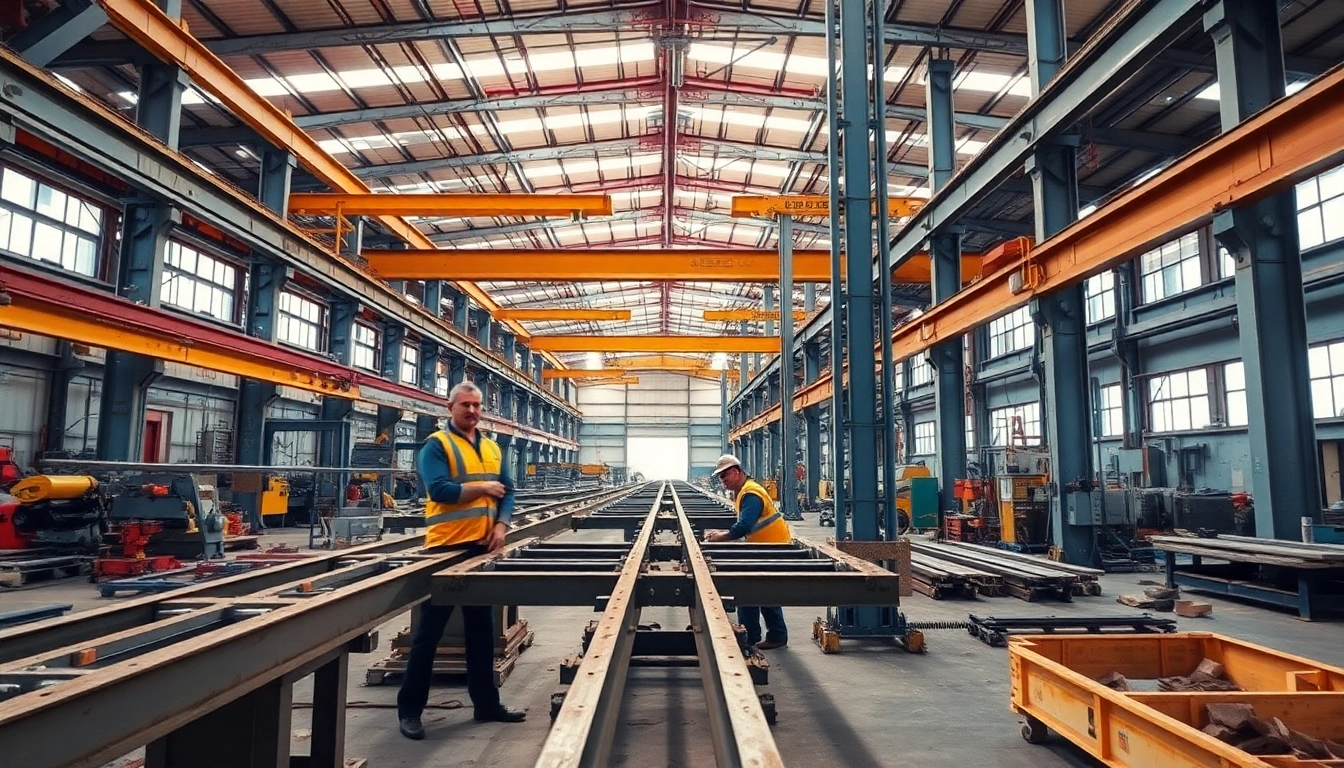
The fabrication of structural steel comprises several meticulous steps, each contributing to the overall quality and integrity of the final product. These steps typically include:
- Design Phase: Utilizing advanced design software, engineers create detailed blueprints and 3D models, taking into account load calculations, material specifications, and compliance with local building codes.
- Material Selection: Choosing the right type of steel based on strength, grade, and application requirements ensures the structure's performance and longevity.
- Cutting: Steel beams and plates are cut according to specifications using methods such as sawing, shearing, or flame cutting.
- Bending and Forming: Various bending techniques, such as press brakes or roll bending machines, are employed to shape steel into the required configurations.
- Assembly: The individual components are joined together through welding, bolting, or riveting, forming a structural framework.
- Finishing: The fabricated structure undergoes surface preparation, which may include cleaning, coating, or painting to prevent corrosion.
Tools and Equipment Used in Fabrication
The effectiveness of structural steel fabrication hinges on the tools and equipment utilized during the process. High-quality machinery and tools ensure precision and efficiency, including:
- CNC Cutting Machines: Computer Numerical Control (CNC) systems enhance cutting precision and repeatability.
- Welding Equipment: Several welding methods, including MIG, TIG, and arc welding, are employed based on the project's requirements.
- Shearing Machines: These are used to cut through thick steel plates efficiently.
- Press Brakes: Essential for bending steel sheets to required angles without deforming the material.
- Drilling Machines: Used for creating precise holes for bolts or welds, ensuring the integrity of connections.
Quality Assurance in Structural Steel Fabrication
Quality assurance is critical in structural steel fabrication to meet safety standards and project specifications. Implementing a rigorous quality control regimen includes:
- Material Testing: Checking the chemical composition and mechanical properties of steel ensures that it meets design specifications.
- In-Process Inspection: Regular monitoring of various stages of fabrication helps detect and resolve issues before the final assembly.
- Final Inspection: After fabrication, a thorough assessment is performed to ensure compliance with all quality standards and regulations.
- Documentation: Maintaining detailed reports on all checks, tests, and inspections provides accountability and transparency throughout the fabrication process.
Common Challenges in Structural Steel Fabrication
Cost Management in Fabrication Projects
Effective cost management is vital in any construction project. In structural steel fabrication, several factors contribute to financial implications:
- Material Prices: Fluctuating prices of raw steel can dramatically impact project budgets. It's essential to conduct market analysis and secure materials when prices are favorable.
- Labor Costs: Skilled labor is needed for efficient fabrication and assembly. Investing in training can reduce errors and improve overall productivity.
- Overheads: Assessing plant overheads and operational expenses regularly can lead to cost-saving strategies.
Precision and Accuracy Challenges
Precision is paramount in structural steel fabrication. Minor deviations can compromise structural integrity. Common challenges include:
- Manufacturing Tolerances: Each fabrication component must adhere strictly to measurable tolerances to ensure system compatibility. Continuous training in current manufacturing technologies helps to maintain high quality.
- Measurement Errors: Utilizing advanced measuring tools and robust training can significantly minimize human error during the fabrication process.
Environmental Considerations and Sustainability
As global awareness of sustainability increases, environmental considerations in structural steel fabrication gain prominence. Key challenges include:
- Waste Management: Efficiently managing scrap materials and reuse can lower waste and improve environmental impact.
- Energy Consumption: Investing in energy-efficient equipment can reduce overall energy costs and minimize the carbon footprint of fabrication processes.
- Regulatory Compliance: Staying informed on local and international environmental regulations ensures compliance throughout the fabrication process.
Best Practices for Successful Structural Steel Fabrication
Implementing Efficient Workflow Strategies
Creating an efficient workflow in structural steel fabrication can significantly enhance productivity and reduce costs. Some recommended practices include:
- Lean Manufacturing: Adapting lean principles can streamline processes by eliminating waste and optimizing the use of resources.
- Just-in-Time (JIT) Delivery: Coordinating with suppliers for timely delivery of materials can reduce storage costs and improve efficiency.
- Effective Communication: Maintaining clear communication among all stakeholders is critical for ensuring everyone is aligned and aware of project objectives.
Maintaining Safety Standards in Fabrication
Safety in structural steel fabrication cannot be compromised. Implementing stringent safety measures includes:
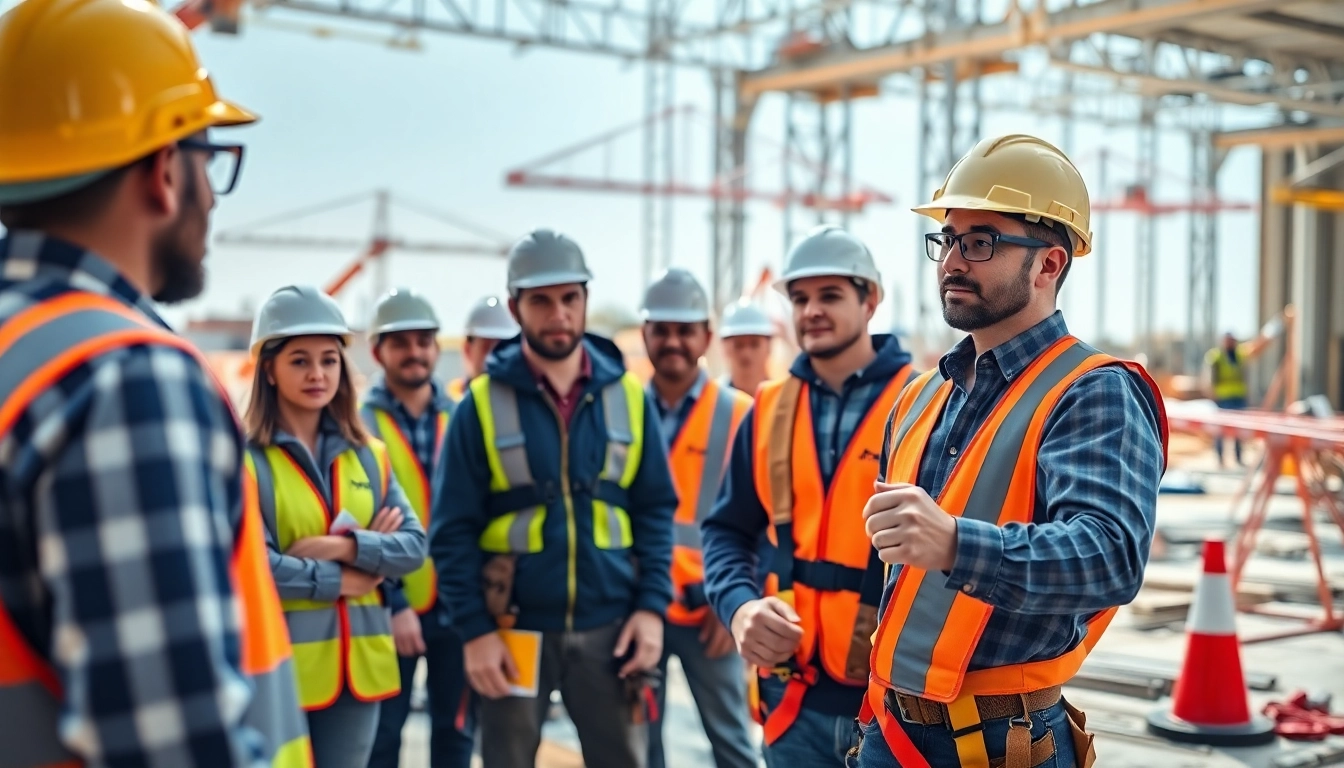
- Regular Training: Ensuring that all personnel are trained regularly on safety protocols and machinery operation safeguards against accidents.
- Personal Protective Equipment (PPE): Requiring the use of appropriate PPE such as helmets, gloves, and safety glasses minimizes the risk of injury.
- Safety Audits: Conducting periodic safety audits assesses the effectiveness of safety measures and identifies areas for improvement.
Leveraging Technology for Improvements
Innovation and technology have significantly transformed the realm of structural steel fabrication. Keeping pace with advancements includes:
- Adopting Cutting-Edge Software: Utilizing Building Information Modeling (BIM) enhances project planning, coordination, and visualization.
- Automation Solutions: Incorporating robotic manufacturing systems can streamline repetitive tasks, improving precision and efficiency.
Future Trends in Structural Steel Fabrication
Innovations Influencing the Fabrication Market
As the structural steel fabrication industry evolves, several innovations shape its future, including advanced materials such as high-strength steel alloys and developments in 3D printing technologies, which might revolutionize component production.
Impact of Automation and Robotics in Fabrication
The increasing integration of automation and robotics is set to redefine the manufacturing landscape further. These technologies promise improved accuracy, reduced labor costs, and enhanced safety by minimizing human exposure to hazardous environments.
Predicting Future Demands and Market Growth
As urbanization and infrastructure development continue to surge globally, the demand for structural steel fabrication is expected to rise. Anticipating this growth involves ongoing investment in skills training, technology, and sustainable practices to ensure that the industry can meet future challenges effectively.