What is a Gas Spring?
Definition of Gas Springs
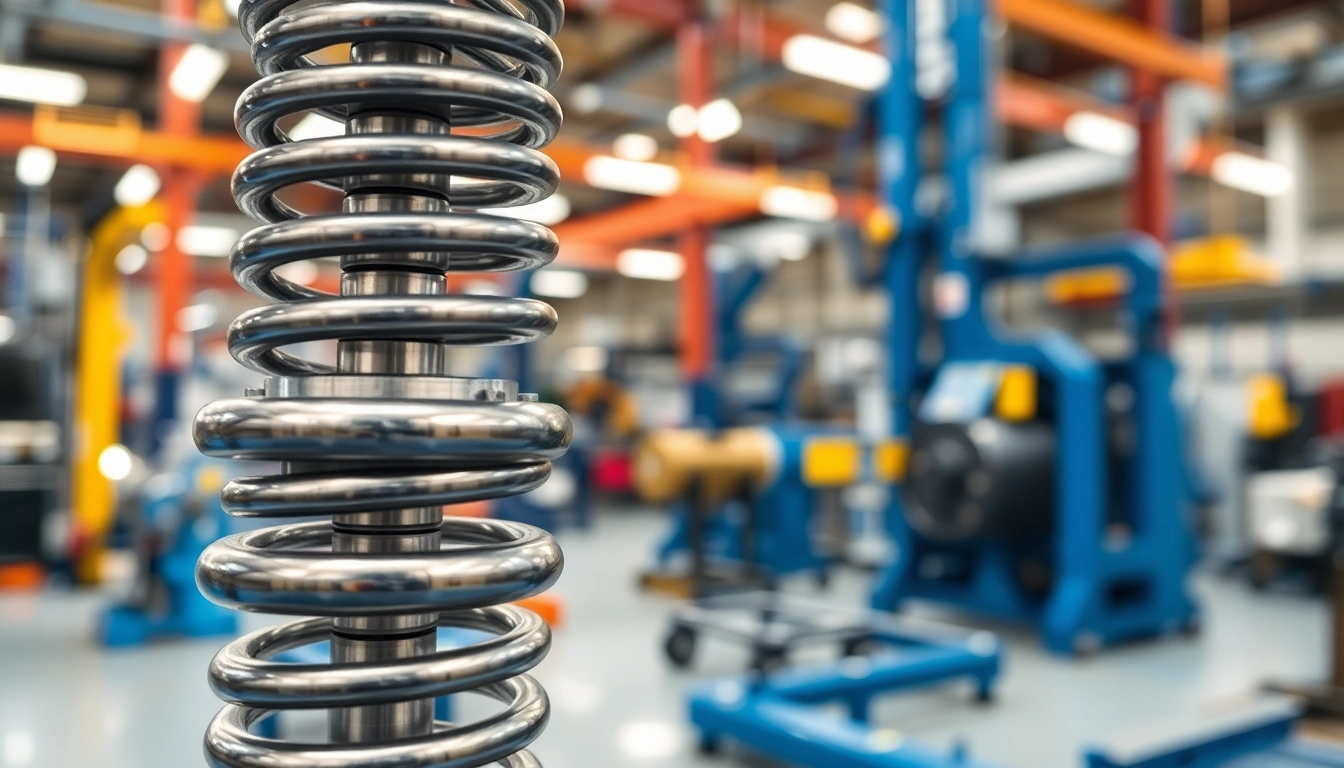
A gas spring, also known as a gas strut, is a mechanical device that utilizes compressed gas to provide force in a controlled manner. Typically filled with nitrogen, gas springs operate by utilizing the pressure of the gas within a cylinder to assist in lifting, lowering, and supporting loads. They are designed to replace traditional mechanical springs, offering a smoother and more controlled motion in applications ranging from furniture lift mechanisms to automotive hoods.
Components and Functionality
Gas springs consist of several key components: a cylinder, a piston, seals, and the gas itself. The cylinder houses the piston, which moves in response to external forces. When the piston is compressed, the gas inside the cylinder is forced into a smaller volume, resulting in an increase in pressure. This pressure creates an upward force as the piston extends back to its original position. This functionality allows gas springs to efficiently support heavy items, providing just the right amount of force needed for safe and convenient operation.
Common Applications of Gas Springs
Gas springs are widely utilized across various industries due to their versatility and reliability. Common applications include:
- Automotive: Used in car hoods, trunk lids, and tailgates to provide controlled opening and closing.
- Furniture: Employed in adjustable desks, chairs, and reclining mechanisms to facilitate smooth movements.
- Industrial Equipment: Integrated into machinery for lifting and lowering parts or covers in a controlled manner.
- Aerospace: Used in cabin fittings and emergency exits for easy operation.
Choosing the Right Gas Spring Supplier
Factors to Consider When Selecting a Supplier
Choosing the right Gas Spring Supplier involves evaluating various factors that affect quality, reliability, and performance. Start by assessing the supplier's experience in the industry, as well as their track record in delivering high-quality products. Consider their range of offerings, including customization options, as different applications may require unique specifications. Additionally, customer support quality can influence your overall satisfaction.
Quality Assurance and Standards
Quality assurance is paramount when selecting a gas spring supplier. Look for suppliers who comply with international quality standards, such as ISO 9001. This ensures their manufacturing processes meet rigorous quality checks. Suppliers that offer warranties and after-sales services demonstrate their confidence in product quality. Certifications from recognized bodies can also serve as validation of a supplier's commitment to excellence.
Evaluating Supplier Reputation
Supplier reputation can often predict the quality of products and customer service you can expect. Conduct thorough research, including reading customer reviews and testimonials. Engage with past clients or read case studies to understand their experiences. Industry reputation can also be assessed by membership in professional associations or presence in trade exhibitions, which can indicate a commitment to staying current with industry developments.
Benefits of Using Gas Springs
Efficiency in Mechanical Systems
Gas springs enhance the efficiency of mechanical systems by providing a means of controlled motion. This results in smoother operation and reduced wear and tear on related components, prolonging the life of machinery. By substituting traditional mechanical or coil springs with gas springs, manufacturers can reduce weight and increase energy efficiency, facilitating more effective designs.
Durability and Longevity
Gas springs are designed for durability, featuring robust materials that can withstand frequent use. Their sealed units protect the internal gas and piston from contamination and environmental factors, ensuring consistent performance over time. Depending on usage and maintenance practices, most gas springs can achieve between 10,000 to 50,000 cycles, making them a long-lasting solution for numerous applications.
Cost-Effectiveness
While the initial investment in gas springs may be higher than traditional springs, the long-term savings often justify the cost. Their efficiency, durability, and low maintenance requirements lead to reduced operational costs. Furthermore, improved performance can lead to reduced downtime and increased productivity, further enhancing their overall cost-effectiveness.
Innovations in Gas Spring Technology
Recent Advancements and Trends
The field of gas spring technology is continuously evolving, thanks to advancements in materials and engineering practices. Recently, suppliers have introduced gas springs with adjustable pressure settings, allowing users to customize the force output according to their specific application. Furthermore, the integration of smart technologies is quickly gaining traction, paving the way for future innovations in the industry.
Smart Gas Springs: The Future of Engineering
Smart gas springs are an emerging trend that integrates sensors and IoT technology to enable real-time monitoring and performance data collection. This innovation provides users with valuable insights into the functionality of the gas springs, facilitating predictive maintenance and timely interventions. As technology advances, smart gas springs could revolutionize how industries manage mechanical systems, ensuring efficiency and reliability.
Environmental Considerations
In an era of sustainability, manufacturers are increasingly focusing on environmentally friendly practices. Gas spring suppliers are working towards minimizing waste during production and utilizing recyclable materials. Moreover, efficient gas springs can contribute to energy savings and reduced emissions in mechanical systems, enhancing their overall environmental impact.
Common Challenges with Gas Springs
Installation Issues
Installation of gas springs can present challenges if not executed correctly. Ensuring that the right spring is chosen for the intended application is crucial. Incorrect installation angles or load configurations can lead to performance issues. Therefore, following manufacturer guidelines and specifications is paramount to guarantee correct installation and optimal performance.
Maintenance Best Practices
Although gas springs require minimal maintenance, regular checks can significantly prolong their lifespan. Inspecting for external damage, ensuring correct lubrication, and monitoring for gas leakage should be part of routine maintenance. Establishing a systematic maintenance schedule can prevent unexpected failures and ensure efficient operation.
Performance Monitoring and Troubleshooting
Continuous performance monitoring is vital for identifying potential issues with gas springs before they affect operational integrity. Implementing performance metrics can help track efficiency and functionality. In case of subpar performance, troubleshooting may involve examining installation conditions, comparing actual performance against specifications, and conducting thorough inspections.
Frequently Asked Questions
What are gas springs used for?
Gas springs are used in various applications, including automotive elements, furniture, and industrial machinery for lifting and supporting mechanisms.
How do I choose the right gas spring?
Consider factors like load capacity, stroke length, and environmental conditions when selecting a gas spring to ensure it meets your application's needs.
What maintenance is required for gas springs?
Regular inspections, ensuring proper lubrication, and checking for wear can extend the life of gas springs significantly.
Can gas springs be customized?
Yes, many gas spring suppliers offer customization options to cater to specific application requirements for better functionality.
What is the average lifespan of a gas spring?
Gas springs can last between 10,000 to 50,000 cycles or more, depending on usage patterns and maintenance practices.