Understanding Niche Hobbies
Definition of Niche Hobbies
Niche hobbies are specialized interests that cater to specific groups or communities. Unlike mainstream hobbies, which attract a broad audience, niche hobbies invite enthusiasts who share particular passions. Whether it be rare coin collecting or underwater basket weaving, these hobbies often require specialized knowledge, skills, and sometimes unique tools or equipment. They provide a creative outlet and an avenue for individuals to express themselves, often distancing themselves from conventional recreational activities.
Why Niche Hobbies Matter
Niche hobbies matter for several reasons. Firstly, they provide a sense of belonging as individuals connect with like-minded enthusiasts in their communities. Participating in a niche hobby often leads to deep friendships formed around shared interests. Additionally, niche hobbies allow for self-expression and have the potential to spark innovative ideas or projects. Engaging in a lesser-known hobby can also significantly enrich one’s life by evolving personal interests into something uniquely fulfilling.
Common Characteristics of Niche Hobbies
Niche hobbies exhibit certain characteristics that set them apart from general pastimes. These include:
- Specialization: Most niche hobbies focus on a specific interest or activity that attracts a dedicated following.
- Community: They often foster tight-knit communities where individuals can share tips, resources, and experiences.
- Creativity: Many niche hobbies encourage creativity, allowing participants to explore their artistic side.
- Learning Curve: Engaging in a niche hobby often involves a learning process, where enthusiasts continuously develop their skills.
Examples of Niche Hobbies
Intricate Crafts and DIY
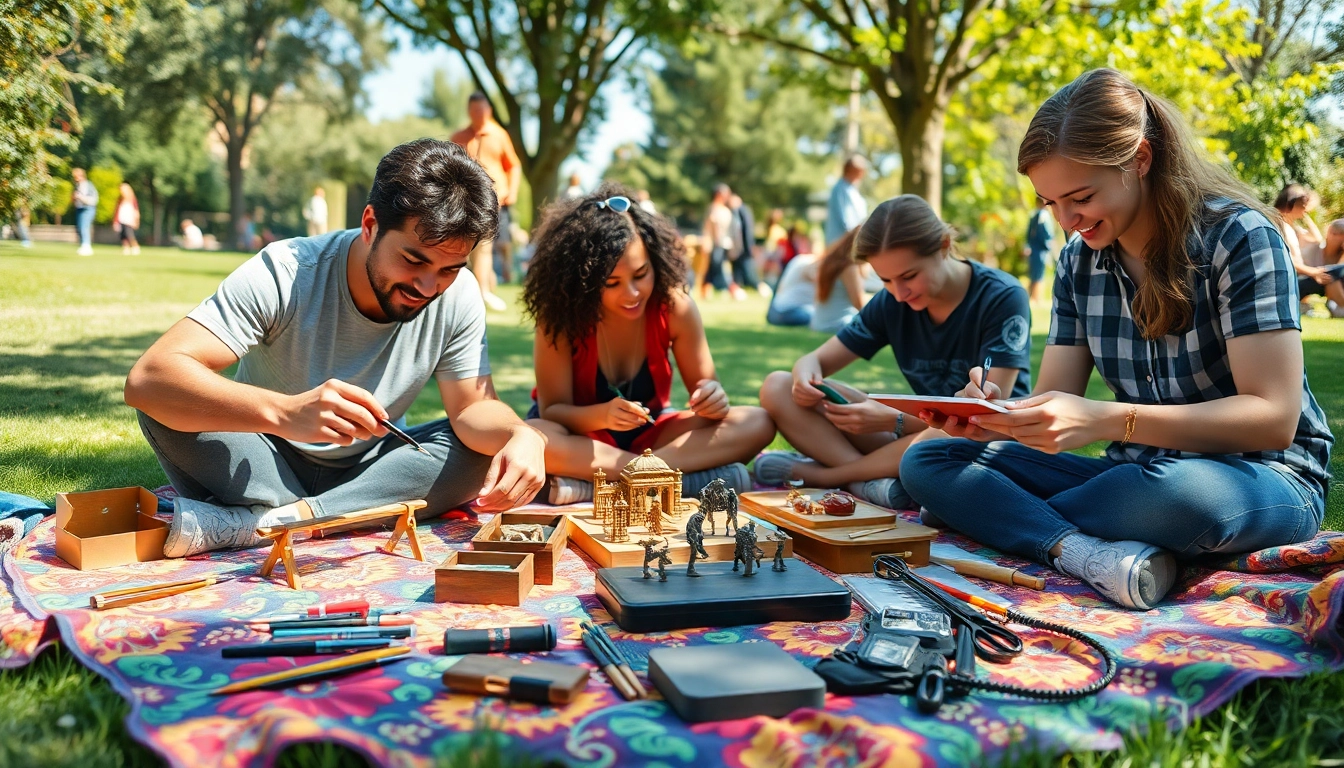
Crafting and DIY are popular realms for niche hobbies because they encompass a wide range of specialized interests. For instance, model building includes creating intricate representations of trains, airplanes, or even famous landmarks. Another example is pyrography, which involves decorating wood by burning designs into its surface. Each craft invites its enthusiasts to delve deeper into specific techniques, materials, and tools, leading to mastery and innovation.
Collecting and Curating
Collecting is perhaps one of the most well-known categories of niche hobbies. This might include everything from rare stamps and vintage toys to obscure comic books. Each collection tells a story, often reflecting the collector's interests, nostalgia, and sometimes even investment savvy. Curating involves organizing and displaying these collections in meaningful ways, often leading collectors to deeper knowledge and appreciation of their chosen items.
Outdoor and Adventure Activities
Niche hobbies can also thrive in the great outdoors. For example, geocaching merges technology and adventure, involving participants in hiding and seeking containers called "caches" placed at specific locations. Similarly, urban exploration invites individuals to discover abandoned buildings and structures, offering both physical activity and a historical perspective. Such activities often come with safety considerations and unique challenges, adding depth to the experience.
How to Discover Your Niche Hobby
Self-Reflection and Interests
The journey to discovering your niche hobby begins with self-reflection. Think about your interests, career, and pastimes that bring you genuine joy. Consider what activities make you lose track of time. Journaling about your experiences may reveal patterns or unrecognized passions. This process of introspection is vital for uncovering hobbies that will keep you engaged and fulfilled.
Exploring Local Groups and Communities
Diving into local groups and communities can introduce you to new possibilities. Attend local workshops, hobby groups, or clubs that cater to niche interests in your area. Platforms like Meetup can connect you to enthusiasts who share common hobbies. Engaging with people in these settings allows you to experience hobbies firsthand while also leveraging their insights and resources.
Online Resources and Forums
The internet serves as an expansive resource for discovering niche hobbies. Websites, forums, and social media platforms host groups dedicated to countless interests. Participating in discussions, watching tutorials, or accessing guides can provide inspiration and knowledge to fuel your passion. One valuable resource is Niche hobbies forums, where enthusiasts share ideas and experiences.
Benefits of Pursuing Niche Hobbies
Personal Growth and Development
Pursuing niche hobbies offers numerous personal development benefits. For one, they facilitate skill-building, as engaging in new activities often requires learning techniques and concepts. They stimulate cognitive functions through problem-solving and critical thinking challenges. Furthermore, they can be therapeutic, providing a positive outlet for stress relief and self-discovery.
Building Community Connections
Joining a community centered on niche hobbies fosters social connections. These bonds often transcend superficial interactions found in broader social circles, leading to deeper relationships established through shared experiences and challenges. Communities often provide mentorship, feedback, and encouragement, creating an environment where participants can thrive.
Professional Advantages and Networking
Engaging in niche hobbies can also yield professional advantages. Many skills honed through these hobbies, like project management, craftsmanship, or even social skills, are transferable to the workplace. Networking opportunities often arise within these communities, enhancing career prospects and introducing potential collaborations or partnerships.
Tips for Engaging in Niche Hobbies
Setting Realistic Goals
When starting a niche hobby, setting achievable goals is crucial. Break down your ambitions into smaller steps. Whether learning a new skill or completing a project, having distinct milestones helps maintain motivation and provides a clear framework for progress tracking. Remember to celebrate your accomplishments along the way!
Finding Time for Your Hobby
Allocating time for hobbies can be challenging, especially within busy schedules. Consider creating a dedicated time block in your weekly calendar for hobby-focused activities. Treat it as an essential appointment—whether it's a few hours on weekends or short sessions during weekdays. Consistency is key to making progress and enjoying your hobby fully.
Staying Inspired and Motivated
Maintaining inspiration can be a challenge when pursuing niche hobbies. Follow social media accounts or blogs related to your interests for fresh ideas and updates. Engaging with community members, such as participating in challenges or attending events, can also rekindle excitement. Keep a project list or vision board to visualize your goals and aspirations!
Frequently Asked Questions
What are some examples of niche hobbies?
Examples include calligraphy, vintage pottery collecting, urban farming, LARPing, or geocaching. Each offers unique skills and community experiences.
How can I start a niche hobby?
Begin with self-reflection to identify interests, explore local groups or online resources, and connect with enthusiasts to find inspiration.
What are the benefits of niche hobbies?
Niche hobbies facilitate personal growth, enhance social connections, provide stress relief, and can lead to career networking opportunities.
How much time should I dedicate to a niche hobby?
Dedicate consistent and realistic time based on your schedule. Even short sessions can lead to meaningful progress.
Can niche hobbies lead to career opportunities?
Yes, many skills developed through niche hobbies are transferable to professional settings and can lead to networking and collaboration opportunities.