
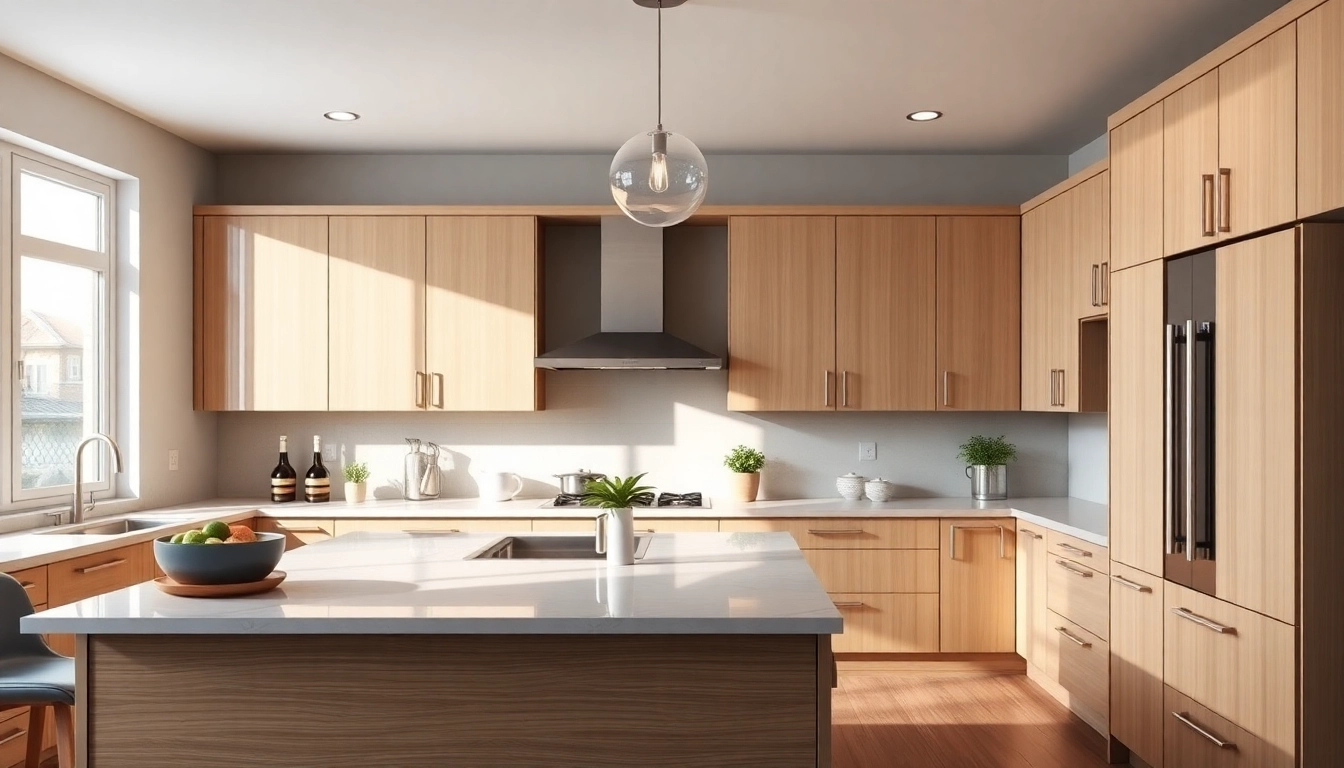
Understanding Cabinet Refacing
What Is Cabinet Refacing?
Cabinet refacing is a cost-effective renovation technique that enhances the aesthetic and functional aspects of existing cabinetry by replacing the cabinet doors and drawer fronts while applying a fresh veneer to the cabinet boxes. This method not only rejuvenates the look of your kitchen or bathroom but is also significantly less disruptive than a complete cabinet replacement.
Benefits of Cabinet Refacing
One of the most compelling advantages of cabinet refacing is its affordability. Homeowners can achieve the desired transformation without the expense of new cabinets. Additionally, refacing is environmentally friendly since it makes use of existing structures, reducing waste. Another benefit is the reduced time and hassle involved, as most refacing projects can be completed in a matter of days rather than weeks.
Why Choose Cabinet Refacing Over Replacement?
Choosing cabinet refacing over replacement carries several distinct advantages. Firstly, it preserves the existing framework, minimizing waste and saving materials. Secondly, homeowners can enjoy significant savings—refacing typically costs 30 to 50% less than complete cabinet replacement. Furthermore, selecting cabinet refacing allows for a broader range of design options to refresh the space while enhancing its existing charm, making it an appealing choice for many.
Preparing for Cabinet Refacing
Assessing Your Current Cabinets
Before embarking on the cabinet refacing journey, it’s essential to assess the condition of your current cabinets. Look for structural integrity, such as the strength of the cabinet boxes and hardware. Pay close attention to any damage or wear on surfaces and functionality issues with doors and drawers. Identifying these issues early can help streamline the refacing process and ensure your new cabinets have a solid foundation.
Choosing the Right Style and Finish
Choosing the right style and finish is a critical aspect of the refacing journey. Upscale finishes like laminate, wood veneer, or painted surfaces can dramatically alter the ambiance of your kitchen or bathroom. Consider design trends that resonate with your taste, such as modern sleek finishes, rustic designs, or classic styling. It’s also essential to coordinate with existing elements within your space to ensure a cohesive look.
Budgeting for Cabinet Refacing
Budgeting accurately for your cabinet refacing project is key to promoting a stress-free renovation. The cost can vary widely based on the materials selected, the amount of cabinetry being refaced, and labor costs if you hire professionals. Homeowners should create a clear budget by researching materials and services while accounting for unexpected expenses. Setting a reasonable budget ensures you can achieve your desired kitchen or bathroom transformation without breaking the bank.
The Cabinet Refacing Process
Steps Involved in Refacing
The cabinet refacing process involves several systematic steps:
- Preparation: Remove existing doors and drawers, and prepare all surfaces for the new materials.
- Repair: Fix any underlying issues with the cabinet boxes and hardware.
- Veneering: Apply a veneer to the cabinets to create a new aesthetic appearance.
- Replacement: Install new doors, drawers, and hardware.
- Cleanup: Ensure the workspace is left tidy and perform a final inspection of the refaced cabinets.
Tips to Ensure Quality Results
To ensure high-quality results in your refacing project, consider these expert tips:
- Professional Assistance: If uncertain about the process, hiring professionals can guarantee top-quality workmanship.
- Material Selection: Choose durable and stylish materials to enhance both functionality and aesthetic appeal.
- Plan for Disruption: Make arrangements for your kitchen or bathroom to be out of service during the project for minimal disruption.
- Regular Cleaning: Post-refacing, establish a maintenance routine to keep the cabinets looking fresh.
Common Questions About the Process
As you embark on your cabinet refacing journey, you may have some questions:
- Is cabinet refacing messy? There will be some dust and debris, but professionals typically handle cleanup.
- Can I change the layout? No, cabinet refacing is meant to enhance existing structures, not alter layout.
- Do I need new hardware? While not necessary, new hardware can elevate the overall look.
Enhancing Your Space Post-Refacing
Complementing Your Refaced Cabinets
Once your cabinets have been refaced, taking steps to complement them is vital for achieving perfect harmony within your space. Consider painting the walls in a color that enhances the cabinet finish or updating countertops to reflect a modern look. Additionally, incorporating stylish new fixtures or lighting can significantly amplify your kitchen or bathroom’s overall appeal.
Design Ideas for Modern Kitchens
For those looking to infuse contemporary flair into their kitchens, consider these design ideas:
- Open Shelving: Replace some cabinet doors with open shelves to showcase dishware or decorative items.
- Contrasting Colors: Use a bold color for an island or accent cabinets to create striking contrasts.
- Minimalist Hardware: Opt for sleek, unobtrusive hardware that enhances the modern aesthetic without overwhelming it.
Maintenance Tips for Your New Cabinets
To keep your newly refaced cabinets looking great for years to come, follow these maintenance tips:
- Regular Cleaning: Wipe down surfaces with a damp cloth to remove food particles and grime.
- Avoid Harsh Chemicals: Use mild cleaners to prevent damaging the finish.
- Inspect Hardware: Regularly check hinges and handles to ensure they are secure and working correctly.
Frequently Asked Questions About Cabinet Refacing
How Long Does Cabinet Refacing Take?
The timeframe for cabinet refacing typically ranges from three to five days, depending on project size and complexity.
Can I Refacing My Cabinets Myself?
While DIY is possible, the process requires tools and skills best suited to professionals for optimal results. Consider hiring experts for quality.
What Materials Are Used for Refacing?
Common materials for cabinet refacing include laminate, wood veneer, and high-quality paint designed for cabinetry.
Is Cabinet Refacing Environmentally Friendly?
Yes, cabinet refacing is eco-friendly as it utilizes existing structures, reducing waste in landfills.
When Should I Consider Refacing My Cabinets?
Consider refacing when cabinets are structurally sound but visually outdated, offering a cost-effective alternative to replacement.
For those in search of an elegant way to revitalize their kitchen or bathroom, Cabinet Refacing Saint Petersburg FL presents an excellent solution.