
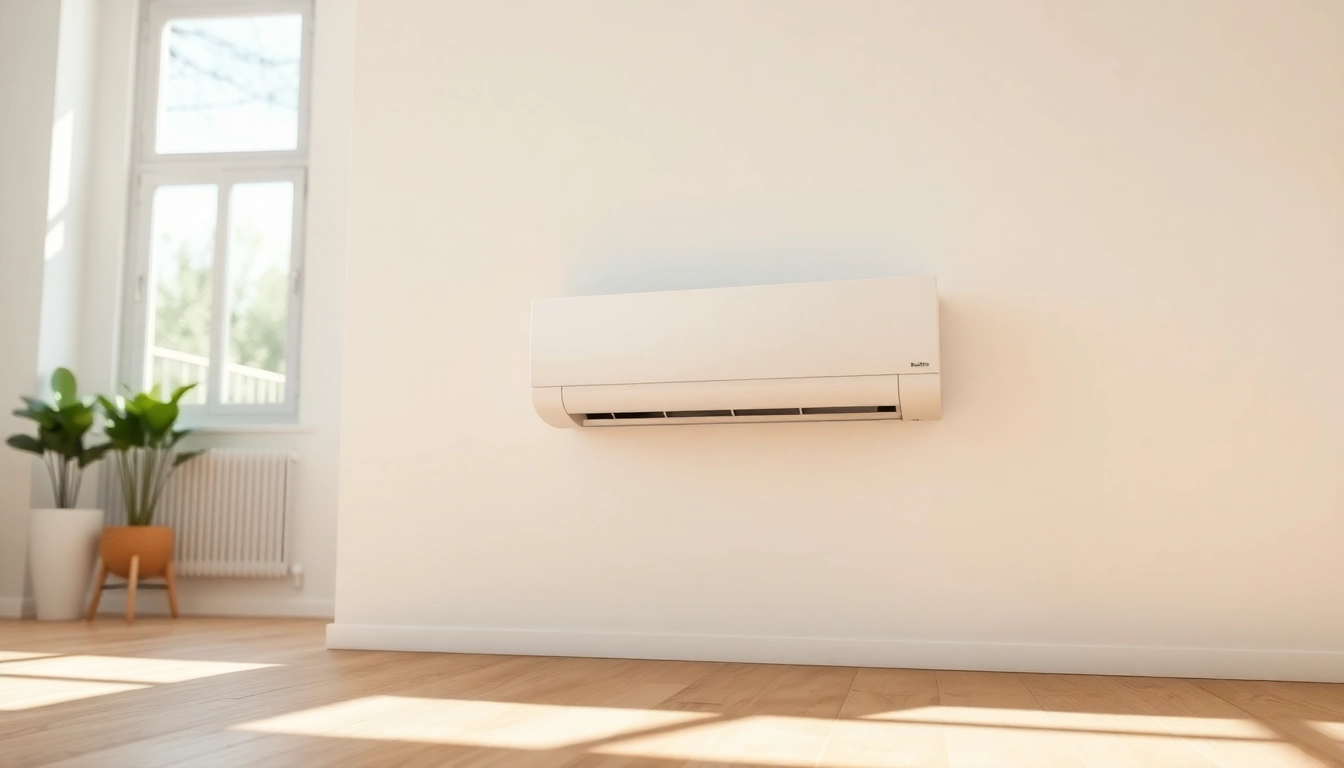
Understanding the Daikin Mini Split AC System
What is a Mini Split AC?
A mini split AC, also known as a ductless mini-split air conditioning system, offers a flexible solution for heating and cooling spaces without the need for ductwork. This system comprises two main components: an outdoor compressor/condenser unit and one or more indoor air-handling units. With this configuration, mini splits can efficiently control temperatures in separate rooms or zones, allowing for individualized comfort solutions. They are particularly suitable for homes with limited space for traditional HVAC systems, making them ideal for urban settings or renovations.
Key Features of the Daikin Mini Split AC
The daikin mini split ac showcases several distinctive features that contribute to its popularity. These include:
- Energy efficiency: Many Daikin models come with high seasonal energy efficiency ratio (SEER) ratings, enabling cost-effective cooling and heating.
- Quiet operation: Daikin mini splits operate at low noise levels, making them suitable for bedrooms, offices, and quiet spaces.
- Flexible installation: The system supports various indoor unit types (wall-mounted, ceiling-mounted, etc.) and can be tailored to fit unique room configurations.
- Smart technology: Select models offer smart capabilities, including Wi-Fi connectivity, allowing remote control and monitoring via smartphone apps.
Benefits of Using a Daikin Mini Split AC
Investing in a Daikin mini split AC system presents numerous advantages:
- Energy savings: The high-efficiency design translates into lower energy bills, making it an economical choice for climate control.
- Zone control: Ability to control temperatures in individual rooms or zones enhances comfort and can reduce energy consumption by allowing unused spaces to be unconditioned.
- Reduced installation costs: Without the need for extensive ductwork, installation is typically faster and less invasive, saving time and money.
- Environmentally friendly: Daikin mini splits utilize R-410A refrigerant, which has a lower environmental impact than traditional options.
Installation Process for Daikin Mini Split AC
Choosing the Right Location
Before installation, selecting the right location for both the indoor and outdoor units is critical for optimal performance. Consider the following factors:
- Indoor unit: Should be placed high on a wall or ceiling for effective air distribution while avoiding direct sunlight and obstacles.
- Outdoor unit: Needs adequate airflow and should be placed on a level surface away from debris, heat sources, or enclosed spaces.
Installation Steps Overview
While professional installation is recommended, understanding the main steps can aid homeowners in their awareness:
- Mount the indoor unit on the wall, ensuring it is level.
- Install the outdoor unit outside, ensuring a proper clearance.
- Run the refrigerant lines, electrical lines, and drain hose from the indoor to the outdoor unit.
- Connect the refrigerant lines and ensure all seals are tight.
- Test the system to confirm proper installation and functioning.
Common Installation Mistakes to Avoid
To ensure everything functions well, here are some common pitfalls to watch for:
- Ignoring the manufacturer’s instructions: Always follow the installation manual for proper setup.
- Poor placement: Avoid areas with direct sunlight or obstructions that might impede airflow.
- Incorrect refrigerant handling: Proper handling and charging of refrigerant are critical to efficiency and unit longevity.
Maintaining Your Daikin Mini Split AC
Regular Maintenance Tips
To ensure optimal performance, regular maintenance is essential. Here are some tips for effective upkeep:
- Clean air filters: Depending on usage, clean or replace filters every 1-3 months to maintain airflow.
- Inspect the outdoor unit: Regularly check for debris, ensuring the unit is unobstructed for efficient operation.
- Schedule professional maintenance: Aim for annual professional check-ups to assess system performance and address any issues.
Signs Your Mini Split Needs Service
Being aware of symptoms indicating service needs can prolong your system’s life:
- Unusual noises: Any grinding, clicking, or banging noises can indicate mechanical problems.
- Temperature inconsistencies: If one room feels significantly warmer or cooler than others, there might be an issue with the refrigerant or a blockage.
- Increased energy bills: A sudden increase in energy costs could mean your system is working harder than necessary due to inefficiencies.
How to Clean the Air Filters
Cleaning the air filters is a vital maintenance task that can enhance efficiencies. Here’s how to do it:
- Turn off the unit and remove the front panel.
- Take out the air filters carefully.
- Wash filters with warm soapy water and let them dry completely before reinserting.
- Reattach the filters and close the front panel securely.
Energy Efficiency and Daikin Mini Split AC
Understanding SEER Ratings
Seasonal Energy Efficiency Ratio (SEER) ratings are critical for evaluating an AC unit’s efficiency. The SEER value represents the cooling output for a typical cooling-season divided by the total electric energy input during the same period. Higher SEER ratings indicate more energy-efficient systems. For many Daikin mini splits, SEER ratings can range well above 20, showcasing significant efficiency advantages over conventional systems.
How to Improve Efficiency
Here are several expert strategies to enhance your Daikin mini split’s efficiency:
- Regular maintenance: Ensuring that filters are clean and the unit is well-maintained contributes significantly to overall efficiency.
- Smart technology: Utilize programmable settings or smart technology to optimize usage based on daily patterns.
- Insulation improvements: Adequate insulation in your property minimizes heat gain/loss, reducing the burden on the cooling system.
Comparing Costs vs. Savings
Operating a Daikin mini split AC not only provides comfortable environments but also promises operational cost savings. Energy-efficient models may have a higher upfront cost; however, the savings on energy bills can lead to an attractive overall return on investment. Many homeowners find that the lower monthly energy costs, combined with reduced maintenance issues, compensate for the initial investment quickly.
Frequently Asked Questions about Daikin Mini Split AC
How long does a Daikin mini split AC last?
Generally, a Daikin mini split AC has a lifespan of 12 to 15 years with proper maintenance, making it a reliable long-term solution.
Can I install a Daikin mini split AC myself?
While DIY installation is possible, it’s recommended to hire a professional for optimal performance and warranty compliance.
What’s the warranty on Daikin mini split AC systems?
Daikin typically offers a limited warranty ranging from 5 to 12 years, depending on the model and installation.
Are Daikin mini split ACs better than traditional units?
Daikin mini splits often surpass traditional units in energy efficiency, flexibility, and quiet operation, making them a superior choice for many applications.
How do I choose the right size for my room?
Choosing the right size involves calculating the room’s square footage and considering factors such as insulation and sun exposure to ensure efficient cooling.