
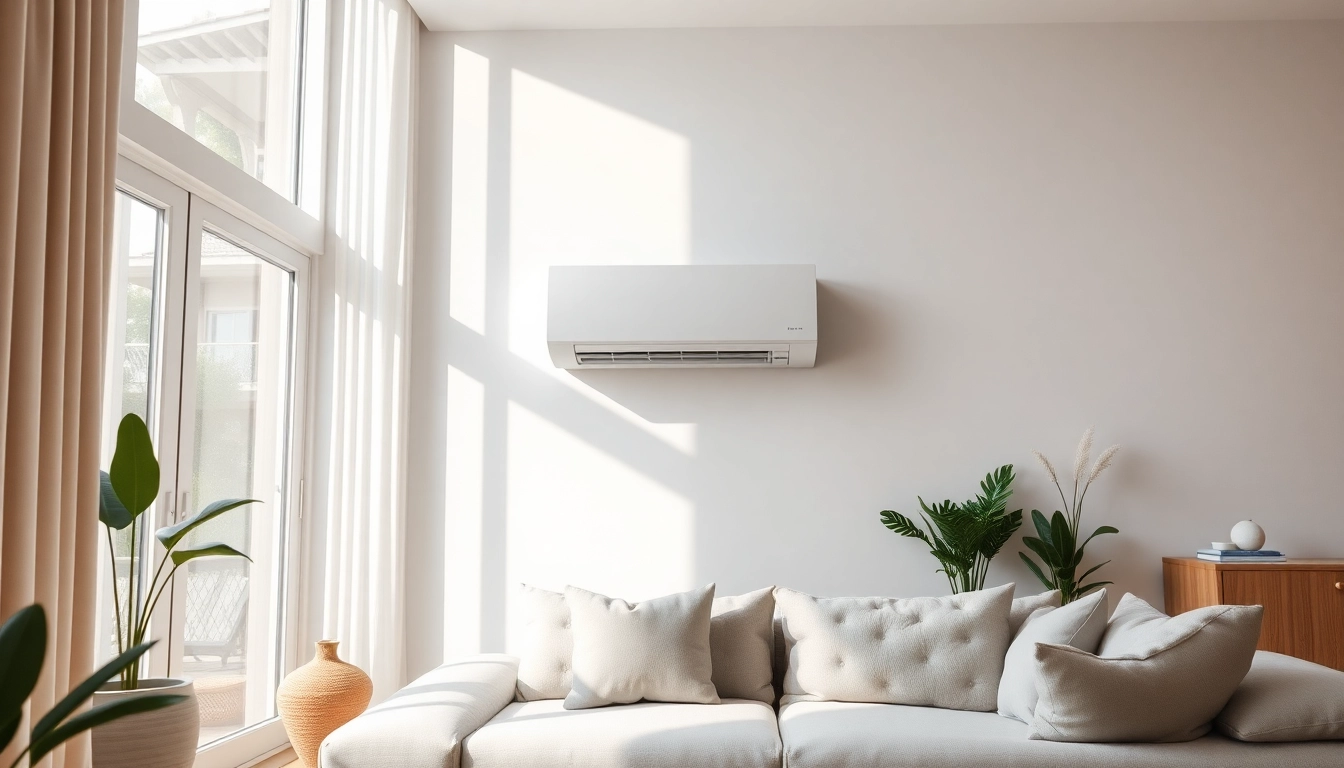
Understanding Mini Split AC Systems
Mini split AC systems have revolutionized the world of air conditioning with their efficiency and versatility. These systems provide personalized climate control for different rooms without the need for ducts, making them an excellent choice for retrofitting homes or areas lacking ventilation. With a surge in energy conservation efforts, many homeowners are turning to solutions like mini split ac to keep their spaces cool.
What is a Mini Split AC?
A mini split AC is a type of ductless air conditioning system, generally comprising two main components: an indoor unit and an outdoor compressor. Unlike traditional air conditioning systems that rely on ductwork to distribute conditioned air, mini splits directly send air to their designated areas, helping improve energy efficiency and indoor comfort. They are adaptable to a wide range of spaces and can provide both heating and cooling functions.
How Mini Split AC Works
Mini split systems operate using a heat pump mechanism, which transfers heat rather than generating it. In the cooling mode, the indoor unit absorbs heat from the room air and expels it outdoors through the compressor. In heat mode, the process reverses, pulling heat from outside and transferring it inside, thus being effective even in colder climates. The two units are connected through a small conduit containing a refrigerant line, making installation less invasive than traditional systems.
Advantages of Mini Split AC
- Energy Efficiency: Mini split systems can be up to 30% more efficient than conventional HVAC systems due to their targeted cooling capabilities.
- Flexible Installation: The absence of ductwork allows for creative installation options in various spaces, accommodating architectural limitations.
- Zone Control: Mini splits offer individual control over room temperatures, which can result in significant energy cost savings.
- Low Noise Levels: Compared to traditional systems, these units typically operate at lower noise levels, enhancing comfort.
- Year-round Functionality: Many mini split AC systems offer heating capabilities, making them versatile for all seasons.
Choosing the Right Mini Split AC for Your Space
Factors to Consider
When selecting a mini split AC, several crucial factors should be taken into account, including:
- Room Size: Understand the square footage of the area you wish to cool or heat. Larger spaces may require multiple units or a higher-capacity mini split.
- Energy Source: Consider the local energy costs and the effectiveness of the system in your region’s climate.
- Usage Patterns: Evaluate how often the area will be occupied, as some systems have energy-saving settings that can reduce consumption.
- Noise Level: If quiet operation is essential, look for models specifically designed for low noise levels.
- Installation Complexity: Consider whether you prefer a professional installation or a DIY approach, which impacts overall costs.
Optimal Sizing and Capacity
Accurate sizing is paramount for achieving optimal efficiency with a mini split AC. An undersized unit will struggle to cool or heat a space, leading to higher energy bills and reduced comfort. An oversized unit can cycle on and off more frequently, causing inefficient energy use. To find the right size, consult the BTU (British Thermal Units) guidelines based on room dimensions and climate zone.
Cost vs. Benefits Analysis
Conducting a cost-benefit analysis for a mini split AC involves examining initial installation costs versus long-term savings. Although the upfront expenses might be higher than traditional systems, the energy efficiency and reduced utility bills can compensate for the investment over time. Additionally, government incentives for energy-efficient systems can further improve overall financial viability.
Installation Process of Mini Split AC
Professional vs. DIY Installation
The decision to employ professionals or undertake a DIY installation of a mini split AC hinges on experience, comfort level, and available tools. While DIY installations can save money, incorrect setup can lead to inefficiencies or costly repairs. Professional services often provide warranties and ensure compliance with local building codes, making them a safer option.
Steps for Proper Installation
- Select Locations: Choose appropriate locations for the indoor and outdoor units for optimal airflow and accessibility.
- Install the Indoor Unit: Mount the indoor unit securely, using a level for accuracy, and drill a hole for the refrigerant line.
- Set Up the Outdoor Unit: Position the outdoor unit on a stable platform and connect it to the indoor unit using the refrigerant lines.
- Make Electrical Connections: Connect the electrical wiring as per the manufacturer’s guidelines, ensuring safety protocols are followed.
- Vacuum the System: Before starting the unit, vacuum the refrigerant line to remove any air or moisture.
- Test Functionality: Power the system on and check all functionalities to ensure proper operation.
Common Installation Mistakes
When installing a mini split AC, common pitfalls can lead to performance issues, including:
- Incorrect Sizing: Failing to properly size the unit can lead to inefficiencies.
- Improper Mounting: Not securing the indoor unit or placing it in a poor location can affect airflow.
- Poor Insulation: Not insulating refrigerant lines correctly can cause energy losses.
- Ignoring Local Codes: Failing to adhere to building codes can result in fines or necessitate costly corrective measures.
Energy Efficiency and Maintenance
How Mini Split AC Saves Energy
Mini split AC systems employ inverter technology, which adjusts compressor speed according to cooling or heating demands, leading to significant energy savings. By only using the necessary amount of energy, these systems minimize waste. Furthermore, zoning capabilities allow homeowners to cool or heat only occupied spaces, further enhancing energy conservation.
Regular Maintenance Tips
To ensure longevity and efficiency, regular maintenance for mini split AC systems is essential. Key tips include:
- Cleansing Filters: Clean or replace filters regularly to maintain airflow and efficiency.
- Inspecting Coils: Ensure both indoor and outdoor coils are clean and free from obstructions.
- Checking Refrigerant Levels: Monitor and adjust refrigerant levels to ensure optimal performance.
- Professional Service: Schedule annual inspections by a certified technician to identify potential issues.
Identifying Common Issues
Common issues with mini split AC systems can include:
- Insufficient Cooling: May be due to refrigerant leaks, dirty filters, or improper sizing.
- Noisy Operation: Often results from loose components or failing fan motors.
- Frequent Cycling: Can indicate an oversized unit or thermostat issues.
Frequently Asked Questions About Mini Split AC
How do I know which size mini split AC I need?
To determine the appropriate size, measure your room’s square footage and use BTU calculators, considering factors like insulation and window materials.
Can I install a mini split AC myself?
While DIY installation is possible, it requires knowledge of HVAC systems. Improper installation can lead to inefficiencies and higher costs.
What maintenance does a mini split AC require?
Regular filter cleaning, coil inspection, and professional servicing once a year are essential to maintain efficiency and longevity.
How energy efficient are mini split AC units?
Mini split units typically have high SEER (Seasonal Energy Efficiency Ratio) ratings, indicating strong energy efficiency, often exceeding traditional systems.
What’s the lifespan of a mini split AC?
With proper maintenance, mini split AC systems can last between 15 to 20 years, significantly outpacing traditional AC systems.