
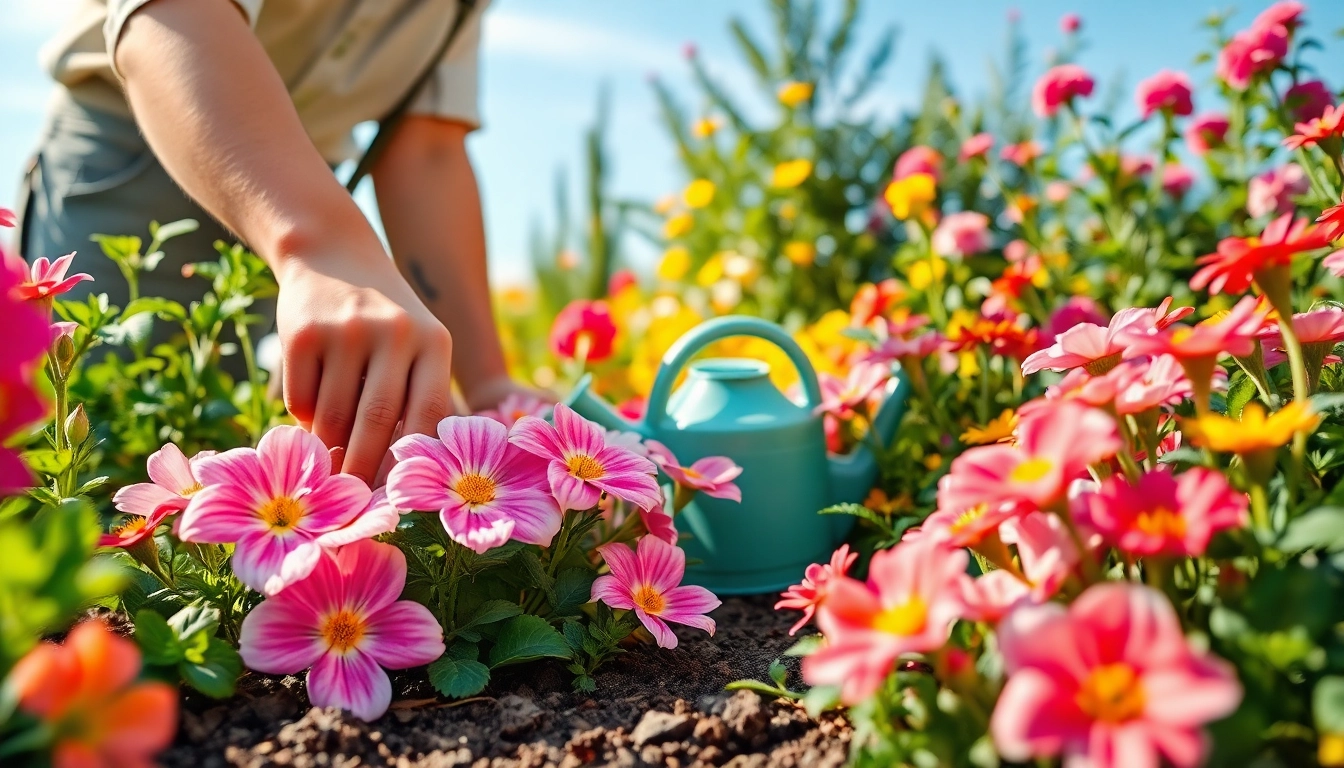
Gardening is more than just a hobby; it is a profound way to connect with nature while creating beauty and tranquility in your surroundings. Whether you are growing vegetables, fruits, flowers, or herbs, understanding the nuances of this craft can transform your garden into a thriving ecosystem. Gardening involves a combination of art and science that, when mastered, can yield abundant rewards.
Understanding the Basics of Gardening
1. Soil Composition and Preparation
The foundation of a healthy garden lies in the soil. Understanding its composition is crucial for successful plant growth. Soil is typically composed of minerals, organic matter, water, and air. For optimum plant health, it is important to focus on soil texture, pH, and nutrient content.
To initiate your gardening journey, consider the following steps for soil preparation:
- Testing Soil: Conduct a soil test to determine pH levels and nutrient composition. This will help determine what amendments are necessary.
- Improving Soil Structure: Incorporate organic matter such as compost, which enhances nutrient availability, boosts moisture retention, and promotes healthy microbial activity.
- Drainage Considerations: Ensure proper drainage by adding materials like perlite or sand to heavier soils, preventing root rot.
- Regular Maintenance: Continuous care includes adding organic mulch to suppress weeds, maintain moisture, and improve nutrients as it breaks down.
2. Choosing the Right Plants for Your Climate
Not all plants thrive in every environment. To ensure your gardening efforts yield fruitful results, it’s essential to choose plants well-suited to your climate zone. Consider these factors when selecting plants:
- Hardiness Zone: Familiarize yourself with the USDA Hardiness Zones which categorize plants based on their ability to survive low temperatures.
- Native Plants: Explore the use of native plants that are inherently adapted to local climate conditions and pests.
- Seasonal Adaptability: Opt for plants that match the growing season in your area, ensuring they receive adequate sunlight and moisture throughout their growth cycle.
- Microclimates: Recognize that different areas in your garden might have varying conditions (e.g., shading, wind), guiding your plant selection.
3. Essential Gardening Tools You Need
Equipping yourself with the right tools can significantly enhance your gardening experience. Below are essential tools that every gardener should have:
- Hand Trowel: Ideal for digging, turning up soil, and planting.
- Pruners: Necessary for trimming and shaping plants, keeping your garden tidy.
- Garden Fork: Useful for loosening, aerating, and turning the soil.
- Watering Can: Helps to manage moistening specific areas without overwhelming the soil.
- Spade: Perfect for larger digging jobs, this tool is invaluable for handling bulk soil.
Planting Techniques for Success
1. Proper Planting Depth and Spacing
Proper planting techniques can dictate the success of your garden. Incorrect depth or spacing can lead to overcrowded plants or insufficient root space. Follow these guidelines:
- Seed Depth: Plant seeds according to the seed packet instructions. Generally, small seeds should be planted shallowly, while larger seeds require greater depth.
- Spacing: Provide adequate space between plants to ensure healthy growth and airflow. Crowded plants are more vulnerable to disease.
- Transplanting: When moving seedlings, handle them by the leaves, not the stems, to minimize damage.
2. Watering Practices for Healthy Growth
Water is crucial for healthy plants, but how you water is equally important. Implement these best practices:
- Watering Schedule: Water early in the morning or late in the afternoon to minimize evaporation.
- Deep Watering: Encourage deep root growth by watering less frequently but deeper during each session.
- Drip Irrigation: Consider drip systems to deliver water directly to the roots, conserving moisture and reducing weed growth.
3. Fertilization Methods for Optimal Yield
Providing the right nutrients boosts plant growth and enhances yield. Here are fertilization methods to consider:
- Organic Options: Utilize compost, well-rotted manure, or organic fertilizers to promote soil health.
- Soil Test Results: Adjust your fertilization based on soil tests, ensuring your plants receive the right types and amounts of nutrients.
- Timing: Apply fertilizers during active growth stages. For most plants, late spring and early summer are optimal.
Advanced Gardening Strategies
1. Techniques for Organic Gardening
Organic gardening emphasizes sustainability while allowing you to enjoy your harvest without synthetic chemicals. Consider the following techniques:
- Crop Rotation: Change the location of plants each season to reduce pest buildup and improve soil health.
- Cover Crops: Plant cover crops in off-seasons to enrich the soil and prevent erosion.
- Natural Pest Control: Introduce beneficial insects, such as ladybugs, which can help control aphid populations.
2. Pest and Disease Management
Managing pests and diseases can be challenging but employing effective strategies can minimize damage:
- Identification: Learn to identify common garden pests and diseases early to address them promptly.
- Integrated Pest Management (IPM): Utilize IPM strategies that blend cultural, physical, and chemical methods to protect plants.
- Cultural Controls: Rotate crops, remove diseased plants, and avoid overhead watering to reduce disease risks.
3. Companionship Planting: Maximizing Space and Flavor
Companion planting is a technique where certain plants are grown together for mutual benefit, maximizing garden space and enhancing flavor profiles:
- Complimentary Nutrients: Plant varieties, such as beans and corn, which benefit each other’s growth.
- Pest Management: Marigolds, when planted among vegetables, can deter harmful insects.
- Flavor Enhancement: Basil planted near tomatoes can improve their flavor while repelling pests.
Seasonal Gardening Tips
1. Preparing Your Garden for Winter
As seasons change, preparing your garden for winter is crucial for its survival and future productivity:
- Clean Up: Remove dead plant material to prevent pests and diseases from overwintering.
- Mulch Application: Add a layer of mulch to protect root systems from freezing temperatures.
- Soil Amendments: Consider adding compost or organic matter to enrich the soil for the coming spring.
2. Strategies for Spring Planting
Spring is the season of growth and renewal, thus planting strategies must be well-planned:
- Soil Test: Perform a soil test each spring before planting to tailor your fertilization schedule.
- Succession Planting: Optimize garden space by planting new crops successively; for instance, follow early greens with summer vegetables.
- Frost Dates: Be knowledgeable about the average frost dates in your area to optimize planting times.
3. Maintaining Your Garden in Summer
Summer maintenance focuses on sustaining growth during hot weather:
- Regular Watering: Maintain consistent watering practices to prevent stress on plants.
- Pest Monitoring: Regularly inspect plants for pests and diseases while practicing IPM methods.
- Weed Management: Regularly removing weeds greatly reduces competition for nutrients and water.
Building a Sustainable Garden
1. Incorporating Native Plants
Using native plants in your garden offers numerous benefits including reduced water requirements and habitat for local wildlife:
- Research Local Flora: Identify plants native to your area that can thrive naturally in local conditions.
- Biodiversity Benefits: Native plants foster biodiversity, attracting various beneficial pollinators.
2. Water Conservation Techniques
Conserving water in your garden is essential, particularly in areas experiencing drought:
- Rainwater Harvesting: Use rain barrels to collect runoff from roofs for garden use.
- Xeriscaping: Implement landscaping techniques that reduce or eliminate the need for irrigation.
3. Creating a Wildlife-Friendly Space
Creating an environment that supports wildlife helps promote a healthy ecosystem:
- Providing Habitats: Include birdhouses, bee hotels, and insect-friendly plants.
- Organic Practices: Avoid chemical pesticides and fertilizers to support beneficial insects and animals.
Embracing the art of gardening unfolds an array of benefits that enrich your life, promote environmental sustainability, and yield delightful harvests. By mastering the basics and advancing your techniques, you can not only cultivate a fruitful garden but also nourish your soul with the beauty of nature.