Introduction to Railroad Contractors
Railroad Contractors play a crucial role in the infrastructure that supports rail systems across the nation. They engage in a variety of projects related to the construction, maintenance, and upgrading of railroads, ensuring that these vital transportation channels operate safely and efficiently. In an ever-evolving industry filled with regulatory demands and technological advancements, understanding the scope of services offered by Railroad Contractors becomes essential for stakeholders and the general public alike.
Defining Railroad Contractors and Their Role
At its core, a railroad contractor is a specialized construction firm that works on railway projects. They are responsible for designing, building, and maintaining rail infrastructure, which includes tracks, stations, and signaling systems. Their expertise not only ensures that the rail networks are constructed to standards that meet safety regulations but also facilitates upgrades that enhance operational efficiency.
Importance of Railroad Contractors in the Industry
Railroads are a backbone of the freight and passenger transport systems in the United States. The work done by railroad contractors is significant as it supports economic stability and infrastructure integrity. With the rising emphasis on sustainable transport and reducing road congestion, their role has become more critical. Contractors help minimize environmental impact, streamline operations, and promise safety through meticulous planning and execution.
Overview of Services Provided by Railroad Contractors
Railroad contractors provide a wide range of services vital to the operation and advancement of railroad systems. This includes:
- Construction Services: Building new tracks, stations, and ancillary facilities.
- Maintenance Services: Routine inspections, repairs, and upgrades to keep existing systems safe and efficient.
- Engineering Services: Consulting and design services for new projects, ensuring compliance with industry standards.
- Safety Management: Developing safety protocols to protect workers and the public.
Essential Services Offered by Railroad Contractors
Construction Services: Building and Expanding Railroads
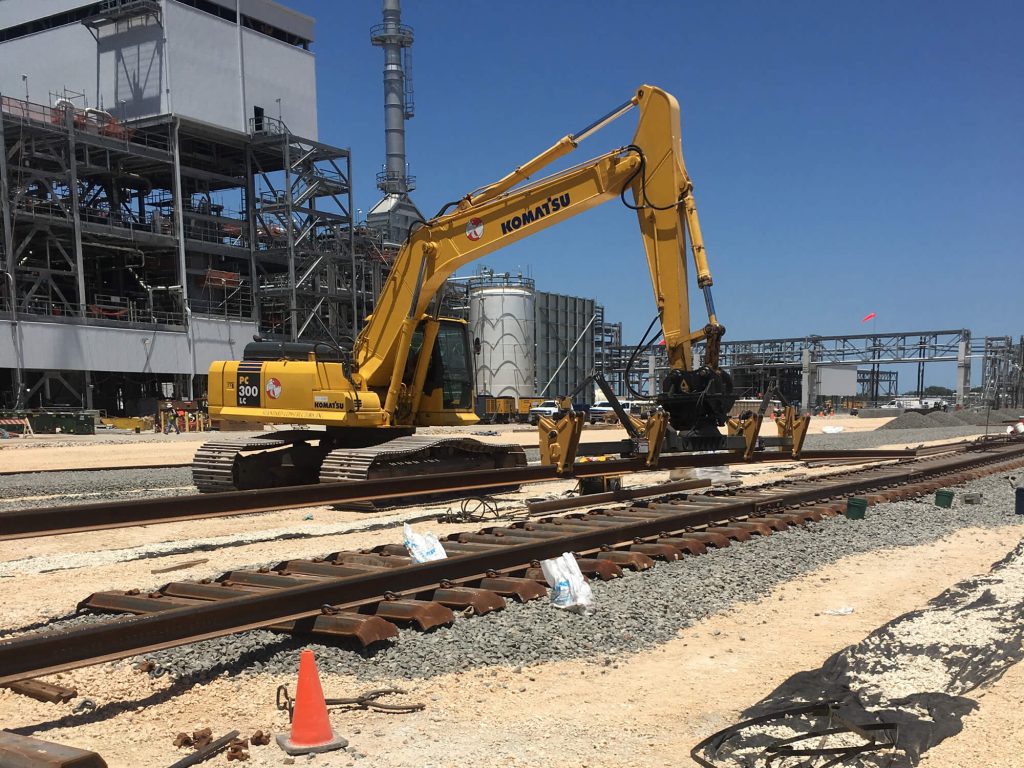
The construction aspect encompasses everything from laying down initial tracks to building complex rail yards and stations. The process often involves heavy machinery, expert labor, and a precisely coordinated effort to minimize disruption and ensure safety. Contractors must adhere to strict timelines while managing costs and resources effectively.
Maintenance Services: Ensuring Track Safety and Efficiency
Routine maintenance is paramount to ensure the safety and efficiency of railroads. This includes inspections of track integrity, ballast condition, and signaling systems. Contractors perform regular checks and repairs, reducing the risk of accidents and extending the lifespan of the assets. Such proactive measures not only enhance passenger safety but also ensure timely freight deliveries.
Engineering Solutions: Designing Robust Rail Systems
Railroad engineering requires specialized knowledge about physics, structural integrity, and safety regulations. Contractors engage in the detailed planning of rail lines, including surveying land, obtaining permits, and employing innovative techniques to accommodate the geographic and environmental challenges of a project. These engineering solutions focus on creating seamless and efficient transport networks that adapt to the needs of users.
Challenges Faced by Railroad Contractors
Regulatory Compliance and Safety Standards
Railroad Contractors face stringent regulations at local, state, and federal levels that can affect project timelines and budgets. Understanding compliance is critical. Failure to adhere can lead to project delays, increased costs, or even legal repercussions. Therefore, maintaining a strong grasp on regulations and implementing effective compliance strategies is fundamental for contractors.
Managing Project Costs and Timelines
In an industry marked by fluctuating costs and unpredictable challenges, managing budget and timeline becomes a significant hurdle. Projects often encounter unseen circumstances, such as inclement weather or supply chain issues. Effective project management approaches, including agile methodologies, can help contractors navigate these complexities by allowing for adjustments and prioritization of critical tasks.
Technological Integration in Construction Practices
As technology evolves, so too must the practices of railroad contractors. Integrating new technologies, such as advanced surveying tools, project management software, and safety monitoring devices, is vital for maintaining a competitive edge. However, these integrations can pose initial financial and training challenges, requiring careful planning and phased implementation strategies.
Best Practices for Railroad Contractors
Effective Project Management Strategies
Implementing best practices in project management is essential for success in railroad contracting. Utilizing tools like Gantt charts and KPI dashboards can enhance oversight and ensure timely progress tracking. Regular team meetings and clear communication channels help in addressing issues as they arise, creating a more adaptive and responsive project environment.
Adopting Sustainable Construction Techniques
In an era of increasing environmental awareness, adopting sustainable practices is not only beneficial for the planet but can also enhance project viability and marketability. Contractors are encouraged to utilize eco-friendly materials, such as recycled steel and locally sourced products, alongside methods to minimize waste and energy consumption. Implementing such strategies not only complies with regulations but can also enhance public perception and project funding opportunities.
Building a Skilled Workforce in Railroad Contracting
The demand for skilled labor is continually rising as the railroad industry faces an imminent retirement wave of seasoned professionals. Investing in training and mentorship programs can help bridge skills gaps and develop a knowledgeable workforce capable of meeting future demands. Collaborating with educational institutions to create certification programs specifically tailored to railroad construction can further enhance worker readiness.
The Future of Railroad Contractors
Emerging Trends in the Railroad Industry
The railroad industry is undergoing transformative changes driven by technological advancements and an increased emphasis on sustainability. The rise of automation, AI, and the Internet of Things (IoT) is enabling smarter and safer operations, while discussions about electrification and renewable energy sources are becoming prevalent in modern projects. Staying ahead of these trends will be crucial for contractors aiming to secure future contracts.
Expected Growth and Opportunities for Railroad Contractors
With ongoing investments in infrastructure and the public’s call for sustainable practices, the future looks promising for railroad contractors. Emerging markets, enhanced urban transit systems, and increased freight demands provide ample opportunities for growth. Contractors with adaptive strategies and innovative services are likely to thrive in this evolving landscape.
Challenges Ahead for Railroad Contractors
Despite the positive outlook, railroad contractors must navigate a host of challenges, including regulatory hurdles, competition from other transport sectors, and the ongoing need for training innovations. Addressing these challenges necessitates strategic foresight and the cultivation of strong industry partnerships to advocate for favorable conditions and funding opportunities.
Frequently Asked Questions
1. What does a railroad contractor do?
A railroad contractor works with rail companies and government entities to build and maintain railways. Their tasks include construction, project management, maintenance, and ensuring compliance with safety regulations.
2. What services do railroad contractors provide?
Railroad contractors offer a range of services, including construction of tracks and stations, maintenance of existing rail infrastructure, and engineering solutions for new projects, ensuring safety and compliance.
3. How do railroad contractors ensure safety?
They implement stringent safety protocols, conduct regular inspections, and train personnel on safety measures to mitigate risks during construction and maintenance activities, ensuring worker and public safety.
4. What are the biggest challenges facing railroad contractors?
Challenges include regulatory compliance, managing project budgets effectively, and integrating new technologies into construction practices, all of which require adaptive strategies and planning.
5. How can contractors improve their project management?
They can enhance project management by utilizing modern tools like scheduling software, maintaining clear communication channels, and employing project management best practices to ensure efficiency and accountability.