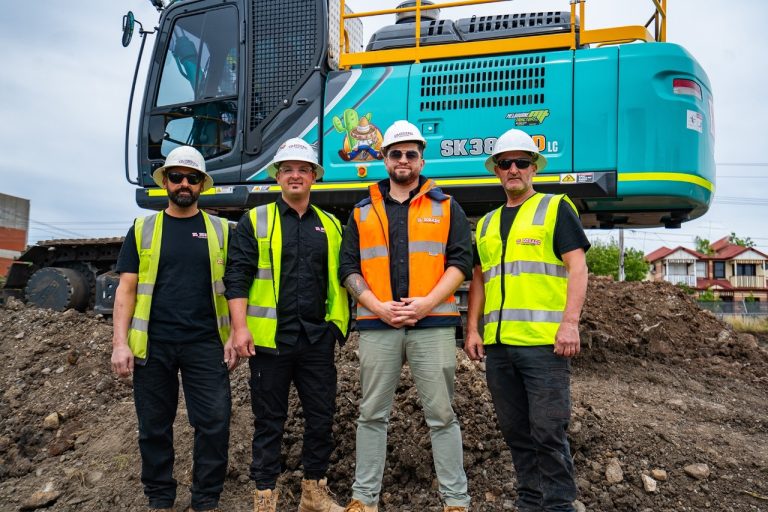

Understanding Construction Education
Definition and Importance of Construction Education
Construction education encompasses a variety of programs designed to equip individuals with the necessary skills and knowledge for the construction industry. It is crucial because as infrastructure development continues to grow globally, the demand for skilled professionals also increases. By offering training in design, safety, project management, and hands-on practices, construction education ensures that the workforce remains capable and competitive. This field prepares students for various roles, from site management to specialized trades, ultimately contributing to economic growth and enhanced community infrastructure. Furthermore, through construction education, participants gain insights into sustainable building practices, which are increasingly becoming vital in today’s construction landscape.
Historical Overview of Construction Education
The inception of construction education dates back centuries, beginning with the apprenticeship model in which skilled craftsmen trained newcomers in trades. As societies evolved, so did construction education, transitioning to formal schooling with the establishment of trade schools in the 19th century. Over the decades, programs expanded to include a range of disciplines, accommodating advancing technology and methods. The shift towards integrated curricula in construction education began taking shape in the late 20th century, recognizing the need for holistic knowledge spanning technical skills and managerial concepts.
Key Components of Construction Education Programs
Effective construction education programs typically comprise several key components: theoretical instruction, hands-on experience, safety training, and industry engagement. Theoretical instruction covers essential subjects such as engineering principles, building codes, and environmental regulations. Hands-on experience, often gained through internships or lab work, allows students to apply learned concepts practically. Safety training is fundamental, encompassing regulations and best practices to ensure on-site safety. Finally, partnerships with industry professionals help to keep curricula updated and relevant, ensuring students learn applicable skills that meet current market demands.
Diverse Learning Methods in Construction Education
Practical Training Approaches
In construction education, practical training approaches are paramount. They include internships, apprenticeships, and simulated project environments. Internships offer students direct exposure to real-world projects, enabling them to understand the dynamics of construction sites. Apprenticeships allow students to learn under seasoned professionals, fostering hands-on skills in specific trades. Simulated environments, such as construction labs, are also invaluable, providing students with opportunities to engage in realistic scenarios without the risks associated with actual construction sites. Such varied training methodologies ensure that students can adapt to diverse work situations effectively.
The Role of Technology in Modern Construction Education
Technology plays an indispensable role in enhancing construction education. Tools like Building Information Modeling (BIM), virtual reality (VR), and online learning platforms are becoming standard in curricula. BIM allows students to visualize and interact with projects before they commence, fostering a better understanding of design intricacies. VR immerses students in realistic site scenarios, which enhances learning and retention. Online platforms democratize education, allowing access to construction courses for individuals who may not attend traditional institutions. As the construction sector continues to embrace technology, education must evolve in tandem, preparing learners for future advancements.
The Importance of Soft Skills Development
While technical skills are vital, soft skills development is equally important in construction education. Communication, teamwork, and problem-solving abilities are essential for effective project management and collaboration among diverse teams. Construction professionals frequently work with clients, architects, and subcontractors, necessitating strong interpersonal skills. Educational programs that integrate soft skills training prepare students for the multifaceted interactions typical in construction projects, thereby enhancing their employability and effectiveness in the field.
Challenges in Construction Education
Overcoming Industry Misconceptions
One of the significant challenges facing construction education is the prevailing misconceptions about the industry being only suitable for those unable to pursue higher education. This mindset can deter prospective students from viewing construction as a viable and respectable career path. To overcome this barrier, educational institutions must actively showcase successful career trajectories and diverse opportunities within the construction sector. Proactively engaging with high schools and communities can help dismantle these stereotypes, presenting construction education as a pathway to rewarding careers.
Addressing Skill Gaps in Workforce Development
The construction industry faces notable skill gaps, particularly with emerging technologies and sustainable practices. Addressing these gaps requires continuous evaluation and enhancement of educational curricula to align with industry needs. Collaborations between educational institutions and construction companies can help identify specific deficiencies and thus tailor programs accordingly. By incorporating feedback from industry professionals, construction education can remain relevant and responsive, effectively preparing graduates for the current job market’s challenges.
Funding and Access to Resources
Access to adequate funding and resources poses a continuous challenge for many construction education programs. Many institutions may struggle with outdated equipment, lack of qualified instructors, or insufficient facilities for hands-on training. To combat these issues, partnerships with industry stakeholders and grants from educational foundations can provide the necessary support for updating resources and expanding programs. Investing in construction education is essential not only for the growth of individual students but for the industry as a whole, as a skilled workforce is crucial to meet future demands.
Best Practices for Effective Construction Education
Collaborations and Partnerships with Industry
Building cohesive partnerships with industry stakeholders is a best practice that significantly enhances construction education. Collaborative efforts can include internships, guest lectures from professionals, and curriculum input from industry experts. Such partnerships ensure that students are learning relevant skills that meet the current needs of the field. Additionally, these relationships can facilitate job placements and career development opportunities for graduates, creating a seamless transition from education to employment.
Continuous Curriculum Improvement
Continuous improvement in curriculum design is essential to ensure that construction education remains effective and relevant. Regular feedback from alumni and employers can provide insights into the strengths and weaknesses of existing programs. Incorporating the latest industry trends, technologies, and safety standards into curricula is necessary to provide students with a comprehensive education that prepares them for real-world challenges. Online resources and professional development for instructors can further enhance their teaching effectiveness, fostering a high-quality learning environment.
Engaging Educational Techniques for Diverse Learners
Adapting educational techniques to accommodate diverse learners is crucial in construction education. Utilizing a variety of instructional methods, such as project-based learning, interactive workshops, and blended learning opportunities, caters to different learning styles. Engaging students through real-life projects and team-based activities fosters collaboration and enhances learning outcomes. Additionally, providing diverse assessments, from traditional exams to practical demonstrations, ensures fair evaluation and encourages greater student engagement.
Measuring Success in Construction Education
Evaluation Metrics for Educational Programs
Measuring the success of construction education programs requires clear evaluation metrics. These can include graduation rates, employment outcomes, student assessments, and feedback from employers on graduate performance. Implementing a comprehensive review process allows institutions to assess overall effectiveness and identify areas for improvement. Regularly gathering data on alumni success also provides insights into the relevancy of the education provided and guides curriculum adjustments.
Success Stories and Case Studies
Highlighting success stories and case studies within construction education serves to inspire prospective students and validate program effectiveness. Documenting individual pathways that led to successful careers in construction not only showcases the possibilities available but also emphasizes the value of the training received. Success stories can feature diverse roles within the industry, from site management to innovative green construction, showcasing the breadth of opportunities within the sector.
Future Trends in Construction Education
As we move forward, several trends are shaping the future of construction education. Increased emphasis on sustainability and green building practices is leading educational institutions to revise and expand their curricula. Additionally, the incorporation of technological advancements, such as augmented reality and artificial intelligence, provides new learning avenues. The growing focus on diversity and inclusion within the industry is prompting educational programs to actively recruit underrepresented groups, ensuring a more comprehensive and equitable workforce for the future.
FAQs
What is construction education?
Construction education provides the training and skills necessary for various roles in the construction industry, including safety, management, and technical expertise.
Why is construction education important?
It’s essential for developing a skilled workforce capable of meeting the growing demands of infrastructure development, safety standards, and innovation in construction methods.
What are the key components of construction education programs?
They typically include theoretical instruction, hands-on experience, safety training, and industry engagement to ensure well-rounded training.
How can industry partnerships enhance construction education?
Industry partnerships offer students real-world experience, insights from professionals, and job placement opportunities, aligning education with workforce needs.
What trends are influencing the future of construction education?
Trends include a focus on sustainability, technological integration, and increased diversity and inclusion within the construction workforce.