
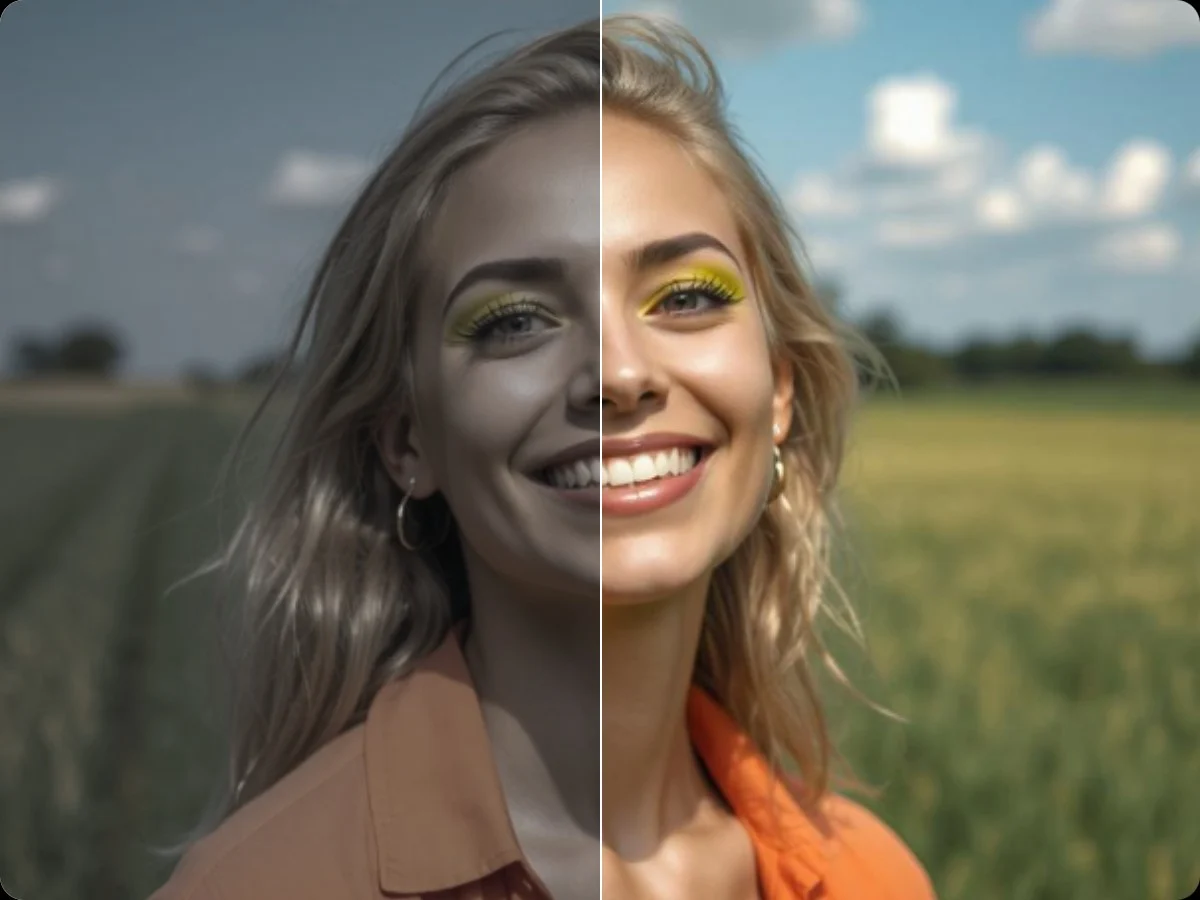
Scrolling through social media today reveals a striking trend: beauty standards are evolving faster than ever, and AI filters are a driving force behind this change. Faces are smoother, eyes are larger, jawlines more defined, and body proportions subtly enhanced to match algorithmically optimized ideals. According to gilmore health news, these digital enhancements are not just cosmetic—they are reshaping perceptions of attractiveness, influencing psychological well-being, and quietly altering societal beauty norms.
The modern filter report highlights how these tools impact users across age groups, professional settings, and social contexts. While originally intended for creative expression, AI filters now act as a social force, subtly guiding what is considered desirable and acceptable. Understanding the effects of these filters is essential to navigating beauty trends and maintaining mental well-being in a digital-first world.
How AI Filters Are Driving New Beauty Standards
AI beauty filters function by automatically analyzing facial and body features and adjusting them according to widely accepted ideals. Skin is smoothed, facial symmetry is enhanced, eyes are brightened, lips plumped, and body proportions subtly altered. These changes happen in real time and are often so seamless that users perceive them as “natural.”
Gilmore Health News reports that the cumulative effect of this exposure is significant. Repeated interaction with digitally enhanced images subtly recalibrates users’ sense of what is attractive, setting new benchmarks for beauty. The filters not only affect individual self-perception but also influence collective social standards, guiding trends in fashion, makeup, and even cosmetic procedures.
The Psychological Impact Highlighted in the Filter Report
The psychological effects of AI filter use are profound. According to research cited by Gilmore Health News, frequent exposure to enhanced images encourages what psychologists call “appearance surveillance,” a habit where individuals continually evaluate their own appearance against digitally perfected standards. Questions like “Do my pores show? Is my face symmetrical? Would people like me more if I looked filtered?” become habitual, increasing self-objectification and reducing self-esteem.
Over time, constant comparison to enhanced images can foster anxiety, perfectionism, and social withdrawal. Users may spend more time editing photos or applying filters to maintain a polished appearance, reinforcing the perception that natural looks are inadequate. The filter report emphasizes that these pressures affect teens, adults, and older adults differently, but all age groups experience some degree of influence on self-perception.
Social Comparison and Beauty Perception
Social comparison is another major consequence identified in the Gilmore Health News filter report. Users frequently exposed to filtered images, both of themselves and others, begin to internalize these images as the standard for beauty. Even when aware that the images are digitally altered, the brain often reacts emotionally before logical awareness, creating a persistent comparison cycle.
This comparison influences more than self-image. It affects lifestyle decisions, grooming habits, and social interactions. For instance, people may feel pressure to wear certain clothing styles, change their hair, or modify their behavior to align with what they perceive as attractive in the digital sphere. Over time, AI filters drive trends by reinforcing visual ideals that are algorithmically enhanced rather than naturally occurring.
Influence on Cosmetic and Aesthetic Decisions
The Gilmore Health News filter report highlights a growing link between AI filter use and interest in cosmetic procedures. Users exposed to enhanced images often report a desire to modify their appearance to replicate their filtered look, whether through skincare, makeup, or surgical interventions.
While filters do not directly cause cosmetic procedures, they normalize the expectation that appearance can and should be optimized. This normalization reshapes societal attitudes toward beauty, subtly encouraging the pursuit of perfection. As more people strive to meet these digitally enhanced standards, trends in beauty products, aesthetic treatments, and personal grooming shift accordingly.
Age-Specific Insights from the Filter Report
The impact of AI filters varies by age, according to Gilmore Health News. Teenagers, still forming their identity and self-concept, are particularly vulnerable. Exposure to filtered images can create a split identity between the online, idealized self and the offline, unfiltered self, producing anxiety, fragile self-esteem, and increased sensitivity to peer judgment.
Adults also face pressures, though in different contexts. Filters can influence dating, professional visibility, and social image, often amplifying concerns about aging and attractiveness. Older adults, meanwhile, may experience “accelerated aging shame” as filters erase natural age markers, reinforcing youth as the cultural ideal. Across all age groups, AI filters redefine beauty standards while exerting subtle psychological pressure.
Societal Trends and Cultural Implications
The Gilmore Health News filter report reveals broader societal consequences of AI-enhanced beauty. When filtered images dominate social media feeds, collective expectations of attractiveness shift. Natural features such as texture, asymmetry, and diverse body types are increasingly viewed as imperfections.
This cultural shift affects interpersonal interactions, workplace dynamics, and even social hierarchies. People may feel compelled to hide imperfections, modify their behavior, or avoid unfiltered social situations. The emphasis on digitally optimized aesthetics fosters a culture of comparison and performance, with authenticity often taking a backseat. Over time, these trends influence what is celebrated in fashion, advertising, and media representation.
The Feedback Loop of Filter Dependence
AI filters can create self-reinforcing cycles of dependence, according to Gilmore Health News. Users apply filters to enhance appearance, feel temporarily satisfied, and then perceive a widening gap between their filtered and real-life looks. This drives increased filter use, grooming behaviors, and attention to aesthetics.
The feedback loop not only affects personal habits but also shapes broader cultural trends. As users increasingly align with digitally enhanced ideals, societal definitions of beauty become narrower, and the standards for acceptance and desirability shift toward perfection that is algorithmically produced rather than naturally occurring.
Media Literacy and Responsible Filter Use
The filter report emphasizes the importance of awareness and media literacy in mitigating the impact of AI beauty filters. Recognizing filters as algorithmic tools that shape perception, rather than reflections of reality, allows individuals to maintain a balanced perspective and healthier self-esteem.
Gilmore Health News recommends strategies such as spending more time unfiltered, critically evaluating social media content, and fostering appreciation for natural variation. By understanding the mechanics of filters and their societal influence, users can enjoy creative enhancement without succumbing to unrealistic standards or comparison-driven anxiety.
The Future of Beauty Trends According to Gilmore Health News
As AI filters become increasingly sophisticated, their impact on beauty trends is expected to grow. Algorithms refine facial and body enhancements to align more closely with idealized aesthetics, intensifying comparison, internalization, and pressure to conform. Gilmore Health News predicts that without conscious awareness and responsible use, digitally enhanced beauty will continue to dominate cultural norms, influencing everything from social media behavior to cosmetic procedures and fashion trends.
Regulation of excessive filter use is being discussed, but enforcement is inconsistent. Awareness, balanced engagement, and media literacy remain the most effective tools for navigating this rapidly evolving landscape. Recognizing that filters shape collective aesthetics as much as personal appearance is crucial to understanding modern beauty trends.
FAQs
How do AI filters shape beauty trends according to Gilmore Health News? Filters normalize digitally enhanced features, subtly guiding collective perceptions of attractiveness and influencing fashion, makeup, and cosmetic standards.
Do beauty filters affect mental health? Yes, the Gilmore Health News filter report highlights links to self-objectification, anxiety, appearance-based comparison, and reduced self-esteem.
Are teens more affected than adults? Teens are particularly vulnerable due to identity formation, though adults and older adults also experience pressures related to professional image, dating, and social media visibility.
Can filter use influence cosmetic procedures? According to Gilmore Health News, frequent exposure to filtered images correlates with increased interest in aesthetic treatments aimed at replicating digitally enhanced appearances.
Does filter use affect authenticity? Yes, presenting digitally enhanced images can reduce authenticity, promote comparison, and foster social anxiety and loneliness.
How can individuals mitigate the impact of filters? Awareness, balanced filter use, media literacy, and appreciation for natural variation are recommended by Gilmore Health News.
Will AI filters continue to shape beauty trends? Yes, as filters become more sophisticated, they will likely exert stronger influence over societal standards and individual self-perception.