
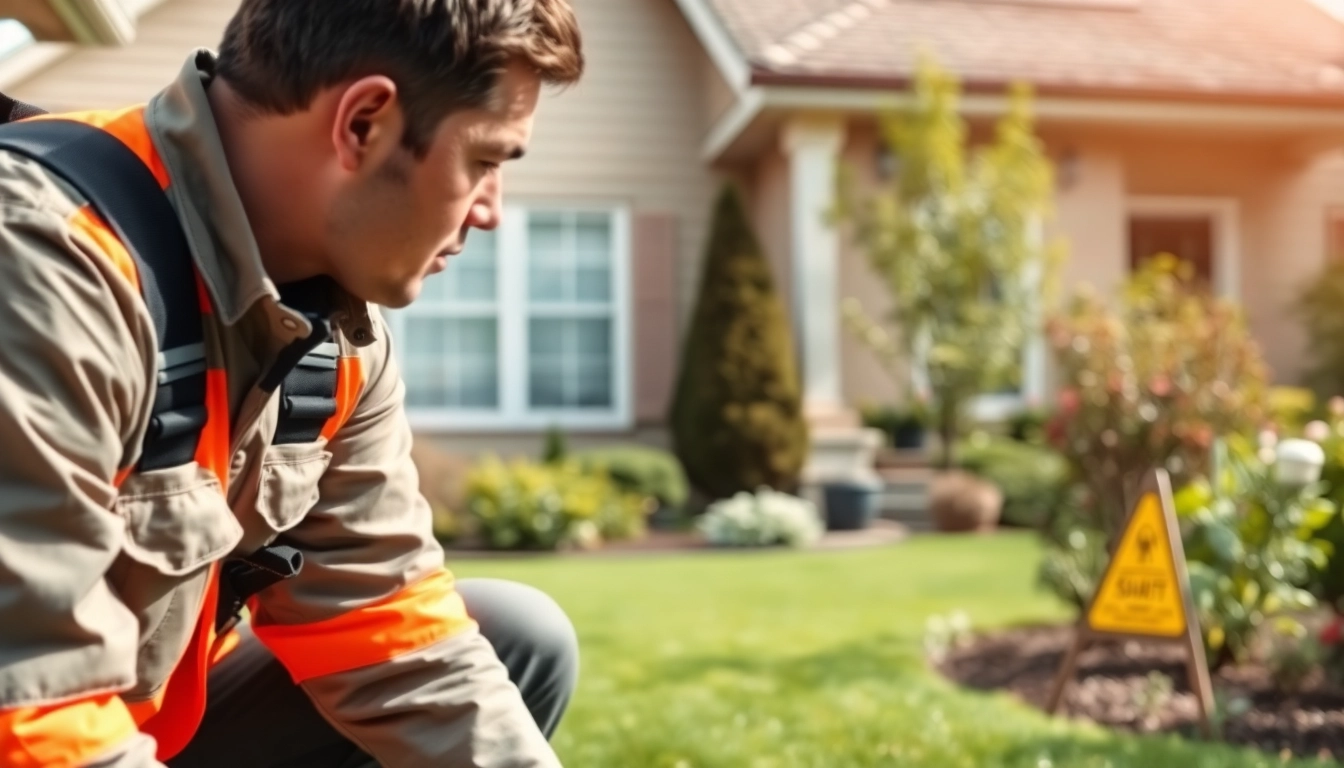
Understanding the Role of a Certified Pest Control Technician
What Does a Certified Pest Control Technician Do?
A certified pest control technician plays a crucial role in managing and eliminating pests in both residential and commercial properties. Their primary responsibilities include identifying pest problems, developing and implementing effective treatment plans, and providing guidance on preventive measures. Technicians must possess a deep understanding of pest biology, behavior, and control methods, which enables them to tackle various infestations effectively.
Additionally, certified technicians are trained to use pest control products safely, minimizing risks to humans, pets, and the environment. They often work with a range of tools and equipment, including traps, baits, and chemical sprays. Moreover, maintaining documentation of services rendered is essential for compliance with local regulations and to assess the effectiveness of pest control strategies over time.
Benefits of Hiring a Certified Pest Control Technician
Engaging a certified pest control technician offers numerous advantages. Firstly, their expertise ensures a thorough evaluation of pest issues, leading to tailored treatment solutions that are more efficient than DIY approaches. These professionals stay updated on the latest pest control techniques and products, which can involve advanced technology and environmentally friendly options.
Secondly, hiring a certified technician can save you time and money in the long run. By addressing infestations promptly and effectively, you can prevent further damage to your property and avoid recurring pest problems. Additionally, their knowledge can help identify potential pest entry points and suggest preventive measures to reduce future risks.
Finally, a certified pest control technician provides peace of mind. Knowing that a trained professional is handling the situation reduces stress, allowing homeowners and business owners to focus on their daily activities without the worry of pest-related issues.
Common Pest Issues Addressed by Technicians
Pests can be a significant nuisance, posing health risks and property damage. Common issues that certified pest control technicians frequently address include:
- Rodents: Mice and rats can quickly invade homes, contaminating food and spreading diseases.
- Termites: These wood-destroying insects can cause severe structural damage if not addressed promptly.
- Bed Bugs: Known for their ability to disrupt sleep, these pests require specialized treatment due to their elusive nature.
- Ants: Various species can invade kitchens and pantries, seeking food and shelter.
- Spiders: While generally harmless, some species can pose risks to human health and comfort.
How to Select the Right Certified Pest Control Technician
Key Qualifications to Look For
When selecting a certified pest control technician, it’s essential to consider certain qualifications that ensure competency and reliability. Firstly, verify that the technician holds the necessary state certification and licensing, which signifies they have undergone the requisite training and adhere to industry regulations. Understanding which pests they are trained to handle is also crucial, as different pests require different expertise.
Experience is another critical factor; technicians with several years in the field typically possess hands-on knowledge of the most effective treatments for various infestations. Furthermore, check for endorsements from professional pest control organizations that can attest to the technician’s skills and ethics.
Questions to Ask a Potential Technician
Before hiring, it’s beneficial to ask potential technicians several key questions to gauge their qualifications and approach:
- What pest control methods do you use?
- Can you provide references from past clients?
- What safety precautions do you take?
- How do you assess the severity of a pest problem?
- What follow-up services do you provide?
These questions will help you better understand their expertise and determine if their approach aligns with your needs and preferences.
Comparing Services and Pricing
When evaluating pest control services, it’s vital to compare not only prices but also the scope of services offered. Some companies may provide a one-time service, whereas others offer comprehensive plans that include regular monitoring and follow-up treatments. Look for clear pricing structures that detail what is included in the service package to avoid unexpected costs later on.
Additionally, check for guarantees or warranties that ensure the effectiveness of the treatment. A trustworthy technician will confidently stand behind their work, suggesting options for ongoing pest management should issues recur.
Best Practices for Collaborating with Your Technician
Preparing Your Home for Service
Effective collaboration with your certified pest control technician begins even before the service. Preparing your home is essential for maximizing treatment effectiveness. Clear the treatment areas of personal belongings, furniture, and food items to create an unobstructed environment. Ensuring that pets are out of the treatment area during the service is also crucial for safety.
Moreover, ask the technician if they have specific recommendations for preparation based on the type of treatment they will be using, as different methods may require different precautions.
Understanding the Treatment Plan
Once your technician has assessed the pest problem, they will provide a detailed treatment plan. It’s important to clearly understand this plan, including the products and methods used, the rationale behind their choices, and expected results. Do not hesitate to ask questions regarding the timeline, effectiveness, and safety of treatments.
Understanding your role in the treatment plan is also critical. This can involve implementing preventive measures or maintaining cleanliness to enhance the treatment’s effectiveness.
Post-Treatment Maintenance Tips
After service, maintaining a pest-free environment is essential. Follow any post-treatment instructions provided by your technician, such as waiting a certain amount of time before cleaning or reintroducing items to the treated areas. Regular cleaning can significantly reduce the likelihood of pests returning.
Additionally, adopt proactive measures, such as sealing cracks and crevices where pests could enter, eliminating standing water, and ensuring proper food storage, to deter future infestations.
The Importance of Continuing Education for Technicians
Why Certifications Matter
Continuing education is crucial for pest control technicians to stay updated on the best practices and regulations in the field. Certification ensures that technicians remain knowledgeable about new pest species, advanced treatment methods, and changes in environmental laws governing pest control practices. This continued professional development translates into better service quality for clients.
Latest Trends in Pest Control Training
Recent trends in pest control training include a strong emphasis on integrated pest management (IPM) tactics, which focus on sustainable and preventative measures to control pests. This approach not only addresses existing infestations but also mitigates future occurrences. Additionally, training programs are increasingly incorporating technology, such as data analytics and smart pest monitoring systems, to enhance service efficiency.
Investing in Eco-Friendly Solutions
As environmental awareness grows, many pest control services are shifting towards eco-friendly solutions. These methods prioritize the use of less harmful products and emphasize prevention over treatment. Technician training now often includes education on identifying and utilizing these sustainable options, ensuring that pest control plays a role in promoting environmental health while effectively managing pest issues.
Frequently Asked Questions about Certified Pest Control Technicians
How Do I Know If a Technician is Certified?
You can verify a technician’s certification by checking with your state’s regulatory agency or pest control board, which often provides online resources to confirm their credentials.
What Types of Pests Can a Technician Handle?
A certified pest control technician can address a wide range of pests, including ants, roaches, termites, rodents, bed bugs, and more, depending on their training and expertise.
Are Pest Control Services Safe for My Family and Pets?
Yes, most certified pest control technicians use environmentally responsible products and follow safety protocols to minimize risks to humans and pets during and after treatment.
How Often Should I Schedule Pest Control?
The frequency of pest control services may vary by property type and pest issues but typically ranges from quarterly visits to twice a year to ensure effective prevention and control.
What Should I Do If Pests Return after Treatment?
If pests return after treatment, contact your technician immediately. A reputable professional will usually offer follow-up services to address any remaining issues, often at no additional charge.