Introduction to Metal Roofing
When it comes to roofing options, metal roofing stands out for its impressive durability, longevity, and aesthetic appeal. This article explores the various facets of metal roofing, including its benefits, cost factors, maintenance tips, and the best practices for choosing and installing a metal roof. Whether you’re renovating your existing roof or building a new home, understanding the nuances of metal roofing can make a significant difference in your decision-making process.
What is Metal Roofing?
Metal roofing refers to a roofing system made from metal pieces or tiles, which exhibit strengths that make them a preferred choice over traditional materials. Common metals used in roofing include aluminum, steel, copper, and zinc, each offering various advantages. Metal roofing systems can vary greatly in style, color, and finish, making them a versatile aesthetic option that complements both contemporary and traditional architecture.
Benefits of Metal Roofing
Metal roofing presents several advantages that are particularly appealing to homeowners and builders alike:
- Longevity: Most metal roofs can last 40-70 years, greatly exceeding the lifespan of traditional asphalt shingles.
- Durability: Metal roofs are resistant to extreme weather conditions, including high winds, heavy rain, snow, and hail.
- Energy Efficiency: Metal reflects solar heat, which can reduce cooling costs significantly in warmer climates.
- Low Maintenance: Unlike traditional roofing materials that may require regular upkeep, metal roofs necessitate minimal maintenance due to their durability.
- Eco-Friendly: Many metal roofs are made from recycled materials and are recyclable at the end of their life.
Popular Types of Metal Roofing
There are several types of metal roofing available, each suited for different styles and requirements:
- Corrugated Metal Roofing: Often seen in agricultural buildings, this style is lightweight and durable.
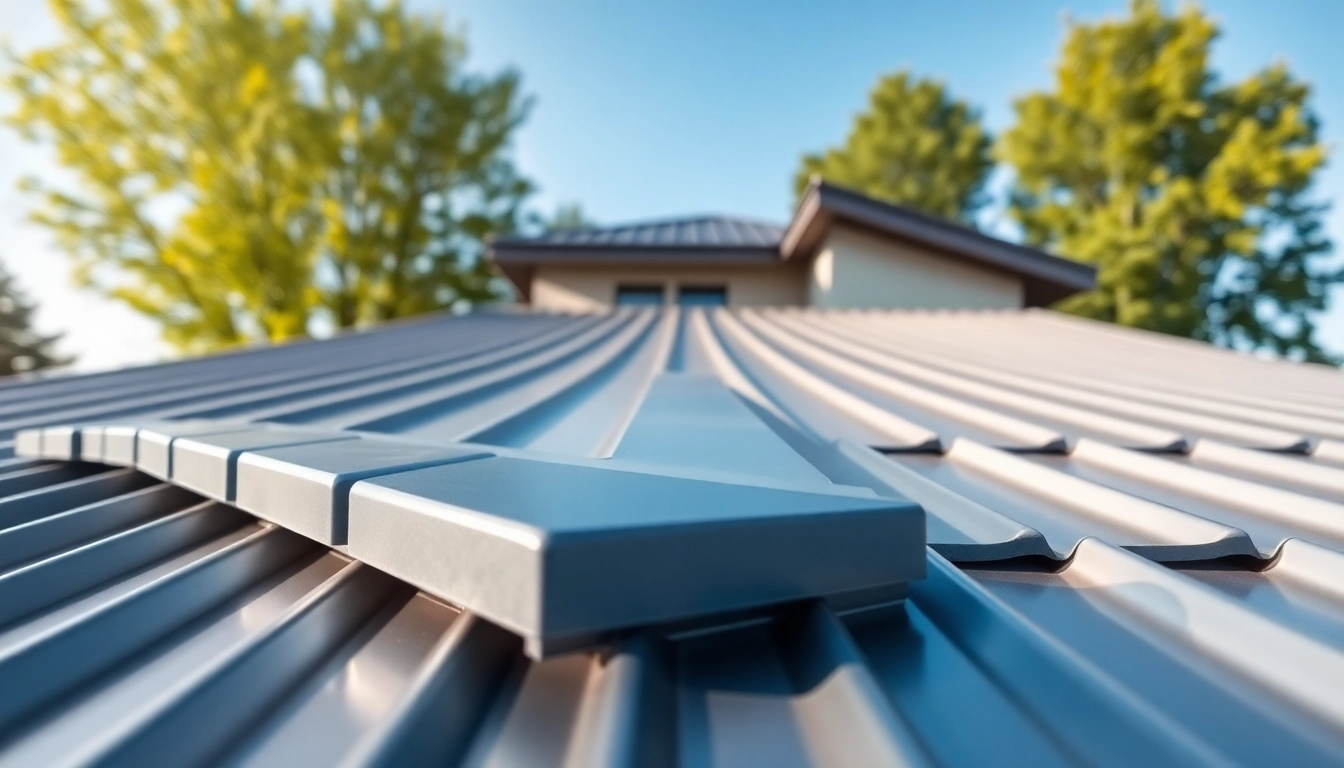
- Standing Seam Roofing: Known for its concealed fasteners and symmetrical appearance, it’s popular in residential applications.
- Metal Shingles: Mimicking traditional shingles, this style offers various patterns while maintaining metal’s benefits.
- Tile Metal Roofing: Made to resemble tile or slate, this type combines aesthetics with the durability of metal.
Cost Factors for Metal Roofing
Initial Installation Costs
The upfront cost of metal roofing can vary widely depending on the material chosen, the complexity of the roof design, and geographical location. Typically, metal roofs can range from $4 to $30 per square foot. While this may seem more expensive compared to asphalt shingles, consider the long-term savings associated with metal roofs.
Long-Term Savings and ROI
Investing in metal roofing can yield substantial returns over time. Metal roofs are energy-efficient and reflect heat, potentially lowering energy bills by 20-30%. Their longevity and low maintenance costs further add to their financial advantage, making them a cost-effective option in the long run.
Comparative Analysis with Other Roofing Types
When comparing metal roofing to other materials such as asphalt shingles or tile, it’s important to consider factors like lifespan, frequency of repairs, and susceptibility to weather damage. Metal roofing generally has a higher upfront cost but significantly outperforms other materials in lifespan and energy efficiency, leading to better overall value.
Choosing the Right Metal Roofing
Factors to Consider When Choosing
Choosing the right type of metal roofing involves considering several factors:
- Climate: Consider how different weather conditions may impact the roofing material.
- Roofing Style: Choose a type that fits the architectural style of your home.
- Color and Finish: Select a color and finish that meet both aesthetic preferences and energy efficiency needs.
Installation Methods
Metal roofs can be installed through various methods, including snap-lock systems for standing seam roofs or screw-down systems for corrugated panels. Each method offers unique benefits, so it’s critical to discuss your options with a professional installer to determine the best fit for your needs.
Professional vs. DIY Installation
While a DIY metal roofing project may save costs upfront, improper installation can lead to long-term issues, including leaks and warranty violations. Hiring professional roofers ensures that the installation meets industry standards and can provide safety benefits as well. Always consider the complexity of your roof and your level of expertise before choosing to install it yourself.
Maintenance and Durability of Metal Roofing
Routine Maintenance Tips
Though metal roofs are low maintenance, regular inspections (twice a year, plus after extreme weather) can help identify and solve potential issues early. Cleaning the roof of debris, checking for rust or damage, and ensuring that gutters and downspouts are functioning will keep your metal roof in prime condition.
Common Issues and Solutions
Common issues may include rust spots, loose fasteners, or dents from hail. Regular maintenance can prevent these issues, but many can be rectified easily. For instance, repainting rust spots can extend the roof’s lifespan, and replacing loose fasteners involves a quick inspection and tightening.
Life Expectancy of Metal Roofing
With proper care and maintenance, metal roofing can last anywhere from 40 to 70 years, depending on the material used. This longevity can justify the initial costs, providing peace of mind for homeowners.
FAQs about Metal Roofing
1. Is metal roofing energy-efficient?
Yes, metal roofing is highly energy-efficient due to its reflective properties, which reduce heat absorption and lower cooling costs.
2. Can metal roofs withstand extreme weather?
Absolutely. Metal roofs are designed to endure high winds, heavy snow loads, and intense rain, making them suitable for various climates.
3. What colors are available for metal roofing?
Metal roofing comes in a wide array of colors and finishes, allowing for aesthetic customization that matches homeowner preferences.
4. How do I choose a quality metal roofing supplier?
Seek suppliers with positive customer reviews, transparent warranties, and a good track record in your local area for reliability and quality.
5. Are metal roofs noisy during rain or hail?
Metal roofs can be noisier than traditional roofs during heavy rain or hail. However, proper insulation can significantly minimize sound levels.