
Understanding Baselayers: The Basics
What is a Baselayer?
A baselayer is the foundational garment worn directly against the skin in cold weather. It serves a crucial role in moisture management and thermal regulation. Essentially, it is designed to wick sweat away from the body while providing insulation to help maintain body warmth. For children, whose bodies might not regulate temperature as efficiently as adults, a good baselayer is essential to comfort and performance during outdoor activities.
Materials Commonly Used
Baselayers are commonly made from a variety of materials, each offering unique benefits. The most popular fabrics include:
- Polyester: Known for its moisture-wicking properties and durability, polyester is ideal for active children.
- Merino Wool: This natural fiber provides excellent insulation and temperature regulation, making it warm while remaining breathable.
- Nylon: A robust synthetic material that adds stretch and comfort, often blended with other fibers.
- Other Blends: Many brands use a combination of materials for enhanced performance, such as cotton blends for soft touch yet limited moisture management.
Why Kids Need Baselayers
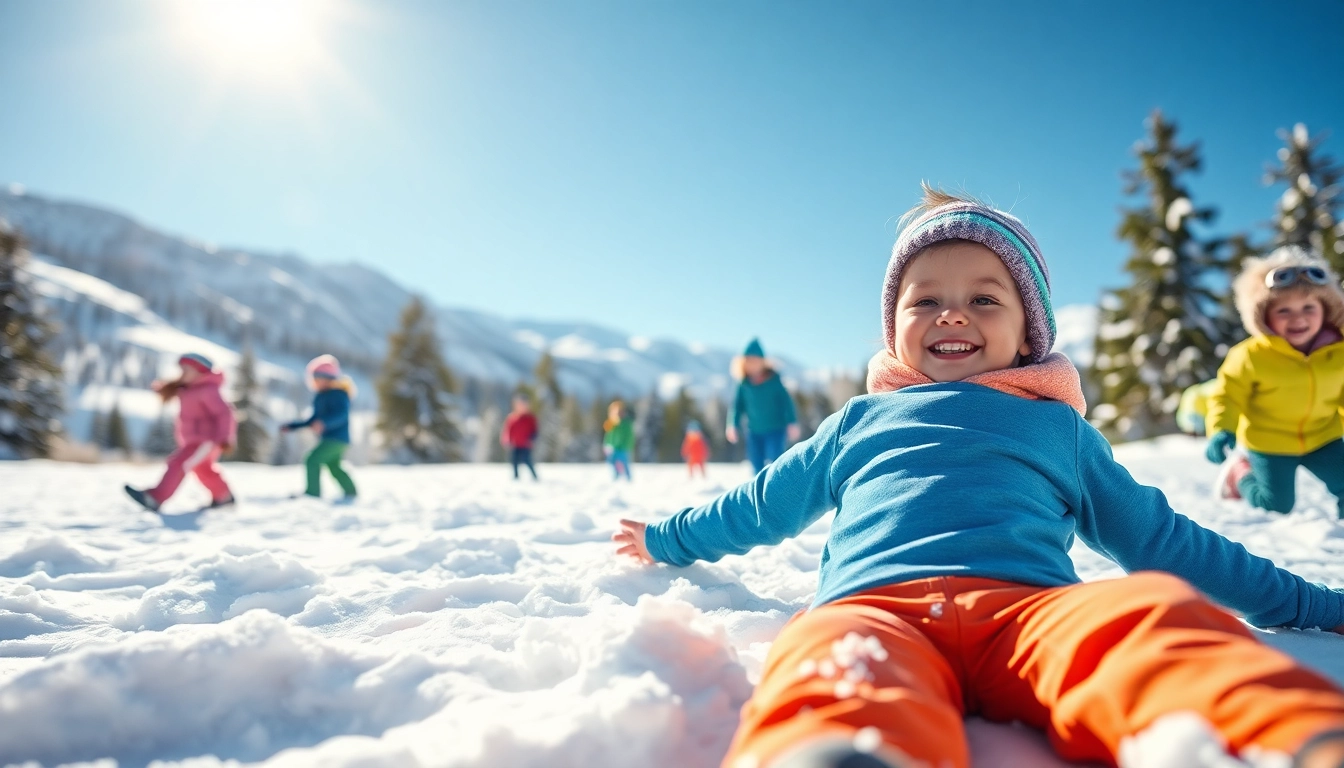
Kids are energetic and often engaged in outdoor activities regardless of the temperature. Baselayers are essential for keeping children warm, dry, and comfortable as they play outdoors during colder months or at elevation where temperatures can drop suddenly. Wearing the right baselayer allows kids to focus on their play instead of their discomfort, making their adventures much more enjoyable.
Key Features of the Best Kids Baselayer
Moisture-Wicking Properties
Moisture-wicking is a critical feature of an effective baselayer. This property ensures that sweat generated from active play is efficiently pulled away from the skin. Without moisture-wicking capabilities, the moisture can chill against the body, leading to discomfort or even hypothermia in colder conditions. High-quality baselayers utilize advanced fabric technology to enhance these characteristics, promoting quick evaporation for a dryness that allows for prolonged enjoyment in outdoor settings.
Insulation and Warmth
The insulation provided by a baselayer is vital for maintaining warmth. Baselayers trap body heat, helping regulate temperature while also allowing excess warmth to escape when the child heats up. This balance is particularly important when children engage in varied levels of activity, transitioning from high-energy play to quieter moments. Materials like merino wool excel at this, providing a natural warmth that adapts to fluctuating activity levels.
Breathability for Active Play
Breathability in a baselayer allows air circulation, which is crucial to comfort during active play. A breathable baselayer prevents overheating, ensuring that the child stays regulated in their temperature even during intense moments. This function, combined with moisture-wicking properties, means that kids can enjoy their time outdoors without feeling stifled or bogged down by their clothing.
Choosing the Right Fit for Kids
Importance of Proper Sizing
Choosing the right size for a child’s baselayer is vital. A snug fit is generally recommended, as it helps maximize thermal regulation and moisture-wicking performance. However, the baselayer should not be overly tight, which can restrict movement. Proper sizing will also accommodate the layering that is often necessary for outdoor activities. Many brands provide size charts to help parents select the perfect fit based on the child’s age, weight, and height.
Layering Techniques for Kids
Layering is the key to staying warm in fluctuating temperatures. When dressing children for cold weather, start with the baselayer as the foundation. Over the baselayer, additional layers such as mid-layers (fleece or insulating jackets) can be added, followed by a waterproof and wind-resistant outer layer. This method allows better temperature control and flexibility in adjusting for different conditions throughout the day.
Adapting to Changing Weather
Children’s activities often take them in and out of variable weather conditions. A well-chosen baselayer will adapt to changing climates, helping to keep moisture away from the skin while maintaining warmth. Parents should consider versatility when selecting baselayers, looking for features like flat seams for comfort, lightweight designs for mobility, and fabrics that can handle increased exposure to moisture and temperature shifts.
Top Activities for Wearing Baselayers
Winter Sports and Skiing
Winter sports, such as skiing or snowboarding, necessitate high-performing baselayers to ensure children stay warm and dry. The best kids baselayer provides the balance needed for these activities, combining insulation and moisture management. These garments must allow for the physically demanding movements associated with sports while still delivering on comfort and thermal protection.
Outdoor Adventures in Cold Weather
Children often engage in outdoor adventures like hiking, snowball fights, or building snow forts during the winter. Proper baselayers are essential for these activities, allowing them to enjoy prolonged outdoor play without succumbing to cold conditions. The right fit and material enhance their experience, providing both warmth and freedom of movement essential for active play.
Everyday Use in Chilly Seasons
Baselayers are not just for sports; they are also practical for everyday use during the colder months. School days or simple outdoor outings can be made more comfortable when kids wear an effective baselayer, avoiding the distraction of cold temperatures. Schools often maintain chilly environments, making a reliable baselayer essential to keep kids comfortable throughout the day.
Frequently Asked Questions
What age group should wear baselayers?
Baselayers are suitable for all age groups, from toddlers to teens, keeping them warm during outdoor activities.
How do I wash kids’ baselayers?
Wash baselayers in cold water with mild detergent. Avoid fabric softeners to maintain performance qualities.
Are baselayers waterproof?
No, baselayers are not waterproof. They provide insulation and moisture management but need an outer layer for waterproofing.
How many baselayers should my child have?
It’s ideal to have 2-3 baselayers for rotating during winter activities and ensuring they stay dry and warm.
Can baselayers be worn in summer?
While primarily for cold weather, lightweight baselayers can be used for moisture management in cooler summer nights.
Choosing the right best kids baselayer can significantly enhance your child’s comfort and performance during cold-weather activities, assuring they remain dry and cozy during their adventures.