
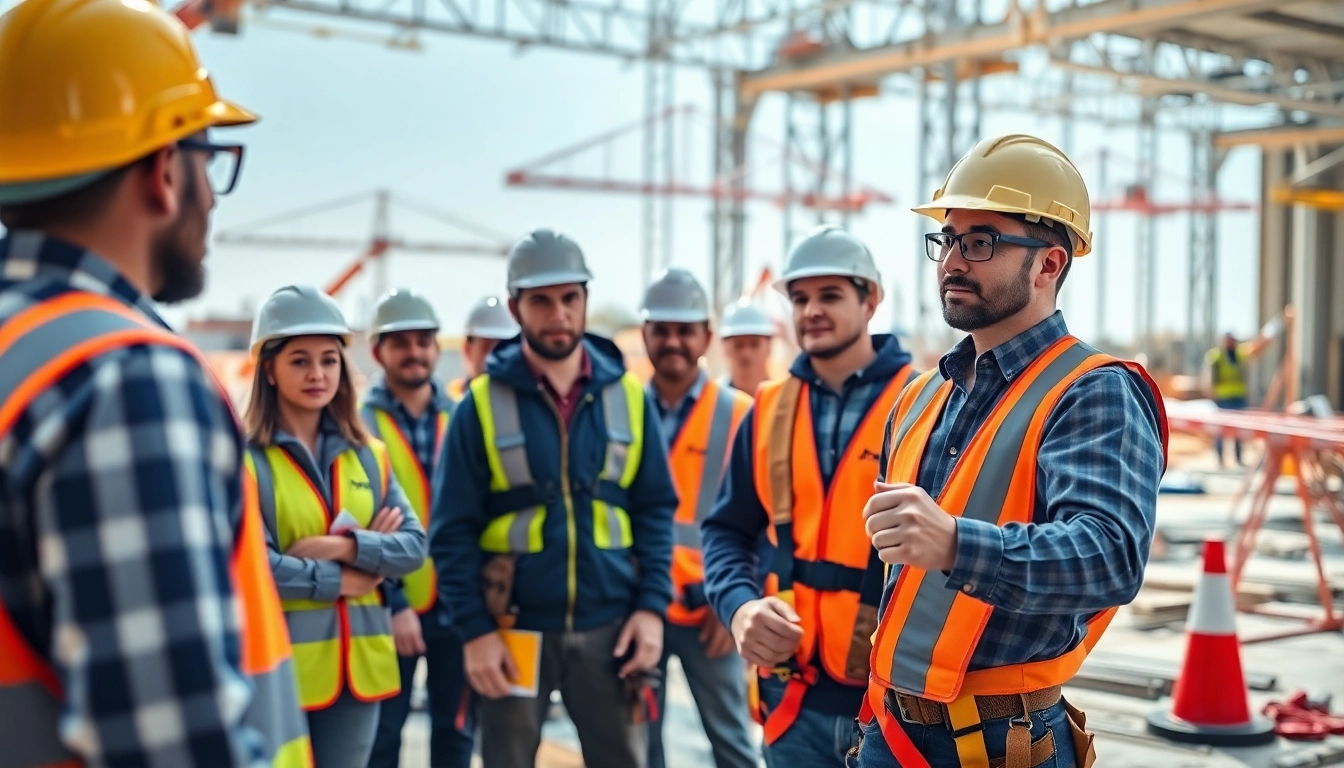
Understanding the Importance of Construction Safety Training
Overview of Construction Safety Training
In the construction industry, safety is a paramount concern. Construction safety training serves as a critical foundation for protecting workers from the inherent risks associated with the job. This training encompasses a variety of practices, protocols, and knowledge sharing aimed at minimizing accidents and enhancing workplace safety. A well-structured program not only equips employees with essential skills but also fosters a culture of safety that permeates the organization. The significance of construction safety training cannot be overstated, as it directly correlates with the reduction of workplace injuries and fatalities.
By investing in construction safety training, organizations can significantly improve their safety records while also ensuring compliance with legal requirements. This leads to higher morale and productivity among workers, ultimately contributing to the overall success of construction projects.
Legal Requirements and Compliance
Legal mandates surrounding safety training are firmly established by regulatory bodies such as the Occupational Safety and Health Administration (OSHA) in the United States. Various guidelines stipulate that employers must provide safety training to their workers. Compliance is not merely a bureaucratic requirement; it serves to protect employees and minimize risk. Training must cover essential safety practices tailored to specific activities, ensuring that all workers are adequately informed about the hazards associated with their tasks.
Failure to comply with training requirements can result in severe penalties, including fines and increased scrutiny from regulatory agencies. Moreover, employers can face liability for accidents that occur due to inadequate training. Therefore, it is essential for construction firms to stay updated on legal changes and align their training programs accordingly to avoid costly repercussions.
Common Hazards in Construction
The construction site presents numerous hazards that workers may encounter, including, but not limited to:
- Falls: One of the leading causes of accidents, falls can occur from heights, such as scaffolding, or even due to uneven surfaces.
- Electrical hazards: Live wires, faulty equipment, and improper use of tools can lead to serious electrical injuries.
- Heavy machinery: Injuries can result from improper operation or inadvertent exposure to moving equipment.
- Exposure to hazardous materials: Workers might be subjected to unsafe substances, including chemicals, asbestos, and silica dust.
- Noise-induced hearing loss: Prolonged exposure to high noise levels can affect hearing, a consideration often overlooked.
Identifying these hazards is the first step in effectively mitigating risks through targeted safety training. Construction safety training programs must be specifically designed to address these prevalent threats, ensuring that employees understand the measures needed to avoid them.
Designing an Effective Training Program
Identifying Training Needs and Goals
To develop an effective construction safety training program, it is crucial to first identify the training needs within your organization. This can be accomplished through risk assessments, employee feedback, and compliance evaluations. By undertaking a thorough analysis of potential hazards and past incident reports, construction managers can pinpoint specific training needs to address. The goals of the training should focus on reducing accidents, ensuring compliance, promoting hazard awareness, and enhancing the overall safety culture.
Structuring the Training Curriculum
Once training needs are identified, structuring a comprehensive curriculum is essential. A well-rounded curriculum should include theoretical knowledge, practical applications, and ongoing evaluations. Initial content might cover the fundamentals of site safety, emergency response procedures, and specific hazards related to tasks. Furthermore, it is essential to incorporate relevant case studies and real-life scenarios to engage participants effectively.
For maximum effectiveness, curriculum development should be a collaborative effort involving safety professionals, construction workers, and subject matter experts. This interaction can provide additional insights and ensure that the training is relevant and up-to-date.
Incorporating Hands-On Activities
Hands-on training activities are vital to reinforce theoretical knowledge and provide workers with practical experiences in a controlled environment. This training may involve practicing the correct use of personal protective equipment (PPE), simulation of emergency scenarios, and real-world problem-solving exercises. Such engagement has been shown to increase retention and build confidence among workers when facing potential hazards on the job site.
Additionally, hands-on training fosters teamwork and provides an opportunity for workers to learn from each other’s experiences. This peer-to-peer interaction can enhance understanding and application of safety protocols in a constructive setting.
Delivery Methods for Construction Safety Training
Traditional vs. Online Training Approaches
The delivery methods of safety training have evolved significantly over the years. Traditional classroom-based training has long been the standard; however, e-learning platforms have brought forth a new, flexible approach. Online training offers benefits such as accessibility, time efficiency, and cost-effectiveness. Workers can engage with content at their own pace and revisit materials when needed, which is a significant advantage over traditional methods.
Nonetheless, the best training programs often incorporate a hybrid approach, blending traditional classroom elements with online components. This versatility ensures that all learning styles are accommodated while still providing the indispensable hands-on experience that traditional training offers.
Engaging Training Techniques
Engaging training techniques play a crucial role in the effectiveness of construction safety training. Utilizing interactive methods such as discussions, role-playing, and group activities can enhance the learning experience. Visual aids, such as infographics and videos, can also make complex information more accessible and memorable.
Furthermore, bringing in guest speakers or industry experts can provide fresh perspectives and inspire workers to take the training seriously. Incorporating these techniques can make safety training less monotonous and ensure higher levels of participation and retention among workers.
Utilizing Technology in Training
Technology has the potential to revolutionize construction safety training. Tools such as virtual reality (VR) can provide immersive simulations of hazardous environments, allowing workers to experience and react to dangers in a safe space. Similarly, mobile training applications can offer bite-sized learning on-the-go, ensuring that workers have access to vital information anytime, anywhere.
Moreover, integrating data analytics plays a vital role in tracking progress and assessing the effectiveness of training programs. By analyzing training outcomes, safety managers can make informed adjustments, ensuring the continual relevance and improvement of training initiatives.
Measuring the Effectiveness of Training
Key Performance Indicators to Monitor
To gauge the effectiveness of construction safety training, organizations must establish clear Key Performance Indicators (KPIs). These metrics can include:
- Incident rates: A decrease in workplace injuries and near misses can indicate successful training outcomes.
- Attendance rates: Tracking participation in training sessions can highlight engagement levels and areas for improvement.
- Assessment scores: Evaluating worker understanding through quizzes and assessments can provide insight into knowledge retention.
- Compliance with regulations: Regular audits can ensure that training programs align with ever-evolving legal requirements.
Monitoring these KPIs not only reflects training effectiveness but also demonstrates the organization’s commitment to safety.
Gathering Feedback from Participants
Feedback from workers who participate in safety training is invaluable for continuous improvement. Post-training surveys or focus groups can provide insights into what worked well and areas that may require adjustments. Questions can cover content relevance, delivery methods, and overall engagement levels.
Incorporating feedback loops creates a proactive safety culture where employees feel valued and engaged in their training processes, promoting a sense of ownership over their safety and that of their colleagues.
Continual Improvement Strategies
Safety training should not be a one-off event, but rather a continually evolving program. Organizations must be prepared to adapt and enhance their training strategies based on industry changes, technological advancements, and participant feedback. Continual assessment of training programs ensures they remain effective and pertinent.
Regularly scheduled reviews and updates to the training curriculum can infuse fresh perspectives and improve employee engagement. Additionally, integrating new research and best practices can further enhance the effectiveness of safety training in reducing workplace hazards.
FAQs about Construction Safety Training
What is the purpose of construction safety training?
Construction safety training aims to educate workers about hazards and safety protocols, ensuring their well-being on the job site.
How often should safety training occur?
Regular training sessions should be held at least annually, with additional sessions as needed whenever new equipment or practices are introduced.
What are the key components of a good training program?
A good training program includes hands-on training, assessments, compliance checks, and ongoing updates to cover new technologies and regulations.
Can construction safety training be done online?
Yes, many aspects of construction safety training can be delivered online, especially for theoretical components, but hands-on training is essential.
Who is responsible for providing safety training?
Employers are responsible for providing necessary safety training to their workers, ensuring they are equipped to handle workplace hazards effectively.