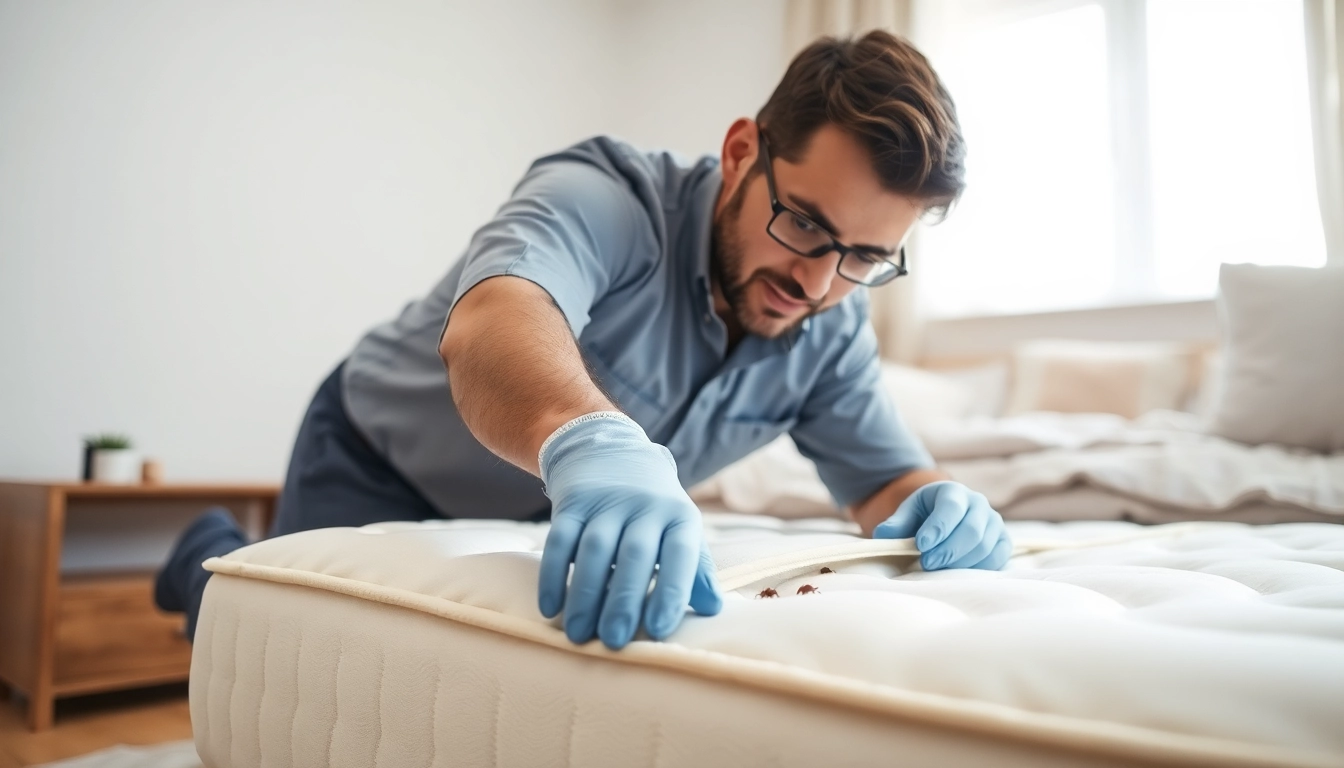
Understanding Bed Bugs: Identification and Signs
What are Bed Bugs?
Bed bugs are small, blood-sucking insects that belong to the Cimicidae family. Scientifically known as Cimex lectularius, these pests are notorious for their ability to hitch rides on clothing, luggage, and furniture, making them adept at spreading from one location to another. Adult bed bugs are about the size of an apple seed, measuring around 5 to 7 mm in length, and have a reddish-brown coloration. Their flat bodies enable them to hide in small crevices, which makes detection challenging and often results in widespread infestations before they are noticed.
Common Signs of Infestation
Identifying a bed bug infestation early can save you considerable time, effort, and expense. Here are some common signs to look out for:
- Visible Bugs: Adult bed bugs are visible to the naked eye and can often be found in places where you sleep, such as mattresses and bedding.
- Black Fecal Spots: Bed bugs leave behind droppings that appear as small black spots, which can be found on sheets, walls, and nearby furniture.
- Eggs and Shells: Bed bug eggs are tiny, about 1 mm in size, and pale in appearance. You may also find exoskeletons they shed as they grow.
- Physical Bites: Many individuals experience itchy red welts on their skin, typically in patterns suggesting multiple bites in one night. However, reactions can vary greatly among individuals.
Health Risks Associated with Bed Bugs
While bed bugs are not known to transmit diseases, their bites can lead to significant discomfort and health risks. Many individuals suffer from allergic reactions to bed bug bites, leading to severe itching and scratching that can result in secondary infections. Psychological impacts, including anxiety and insomnia, are common among people dealing with bed bug infestations. It further underscores the importance of addressing infestations promptly and effectively to minimize health complications.
Effective Bed Bug Treatment Options
Chemical Spray Treatments
Chemical spray treatments remain one of the most prevalent methods for eliminating bed bugs. These sprays often contain pyrethroids or neonicotinoids, which are neurotoxic to bed bugs and can disrupt their life cycle.
When applying chemical treatments, it’s essential to follow manufacturer instructions rigorously. This includes choosing the right insecticide based on the level of infestation and wearing protective gear during application. While chemical treatments are effective, they work significantly better when used in conjunction with other methods to ensure no bed bugs survive.
Heat Treatment Methodology
Heat treatments are gaining popularity due to their effectiveness and environmental safety. This method involves raising the ambient temperature in a room to a level that is lethal to bed bugs (around 120°F or 49°C). This method can eradicate not only adult bed bugs but also their eggs and nymphs, which are often more resilient to chemical treatments.
Professional exterminators usually employ specialized equipment to ensure uniform heat distribution throughout the treatment area, which is crucial for effectiveness. Homeowners can also consider heat treating personal belongings by using heat chambers or dryers, which can be particularly effective for clothing.
Combination Approaches for Maximum Efficacy
For severe infestations, a combination of chemical and heat treatments is often recommended to maximize efficacy and reduce the likelihood of bed bugs becoming resistant to one particular method. Additionally, encasements can be used on mattresses and box springs to trap remaining bugs and prevent new infestations. Integrated Pest Management (IPM) strategies that combine inspection, monitoring, and sanitation further enhance long-term control by addressing the root causes of infestation.
Preparing Your Home for Bed Bug Treatment
Essential Steps to Take Before Treatment
Preparation is critical to ensuring the effectiveness of any bed bug treatment. Here are essential steps to consider:
- Declutter: Remove unnecessary items and clutter from the affected areas to minimize hiding spots for bed bugs.
- Wash and Dry Bedding: Wash all bedding, clothing, and soft furnishings in hot water, and dry them on the highest settings. This step will kill many bed bugs and eggs.
- Reduce Furniture Movement: Seal items in plastic bags to avoid transporting bed bugs to other areas of the home.
- Vacuum Thoroughly: Vacuum carpets, floors, and furniture meticulously, focusing on seams and tiny crevices.
What to Expect During the Treatment Process
During treatment, expect professionals to conduct a thorough inspection and then proceed with their chosen extermination method. Depending on the chosen strategy, preparations on your part can include vacating the premises, moving furniture, and ensuring pets are relocated for safety. It is also advisable to inform neighbors particularly if living in close quarters, as they may need to prepare for treatment as well.
Post-Treatment Guidelines for Homeowners
After treatment, it’s essential to follow up with thorough monitoring. Here are some guidelines to help prevent re-infestation:
- Regular Inspections: Schedule regular inspections to catch any signs of re-emergence early.
- Maintain Cleanliness: Continue to weighty clean areas that were treated and promote good housekeeping practices.
- Use Encasements: Invest in quality mattress and box spring encasements to curb future infestations.
Preventing Future Bed Bug Infestations
Best Practices for Home Maintenance
Effective prevention relies on good practices in home maintenance. Here are some tips:
- Regular Cleaning: Maintain cleanliness by vacuuming frequently and ensuring that laundry is washed regularly.
- Monitor Used Items: Be mindful when acquiring second-hand furniture or clothing, as these can often harbor bed bugs.
- Seal Cracks: Inspect and seal any cracks or holes in walls, baseboards, and around plumbing fixtures to minimize entry points for bed bugs.
Regular Inspections and Early Detection
Keeping an eye out for early warning signs can help catch a potential infestation before it escalates. Regular inspections of mattresses, box springs, and surrounding areas can facilitate early detection. Learning to recognize signs of bed bugs will empower homeowners to act quickly should an issue arise.
Professional Monitoring Services
For ongoing peace of mind, consider investing in professional monitoring services. These services often include periodic inspections and proactive measures tailored to your home. Many pest control companies offer subscription models that periodically treat and inspect your property to ensure a bed bug problem does not re-emerge.
Frequently Asked Questions about Bed Bugs
How Long Does the Treatment Take?
The duration of bed bug treatment varies based on the chosen method and the extent of the infestation. Chemical treatments may take effect within hours, while heat treatments can require several hours to ensure thorough reach and efficacy. Post-treatment monitoring and follow-up may also be necessary, which can affect overall timelines.
Cost Considerations and Budgeting for Services
Budgeting for bed bug treatment varies greatly depending on the level of infestation and chosen methods. Chemical treatments typically offer a range of pricing options, while heat treatments can be more expensive due to the specialized equipment involved. Homeowners should obtain multiple quotes and be wary of costs that seem disproportionately low, as they may not indicate thorough treatment.
When to Call Professional Exterminators
If you suspect a bed bug infestation, it’s best to consult with professional exterminators at the first signs. In cases of visible bugs, significant bite reactions, or widespread signs of infestation, handling the situation early can prevent the problem from worsening. Professionals can provide tailored solutions and strategies to manage and eliminate the infestation effectively.
For more detailed information about bed bug treatment and prevention, please visit https://affordablebedbugexterminators.com.