
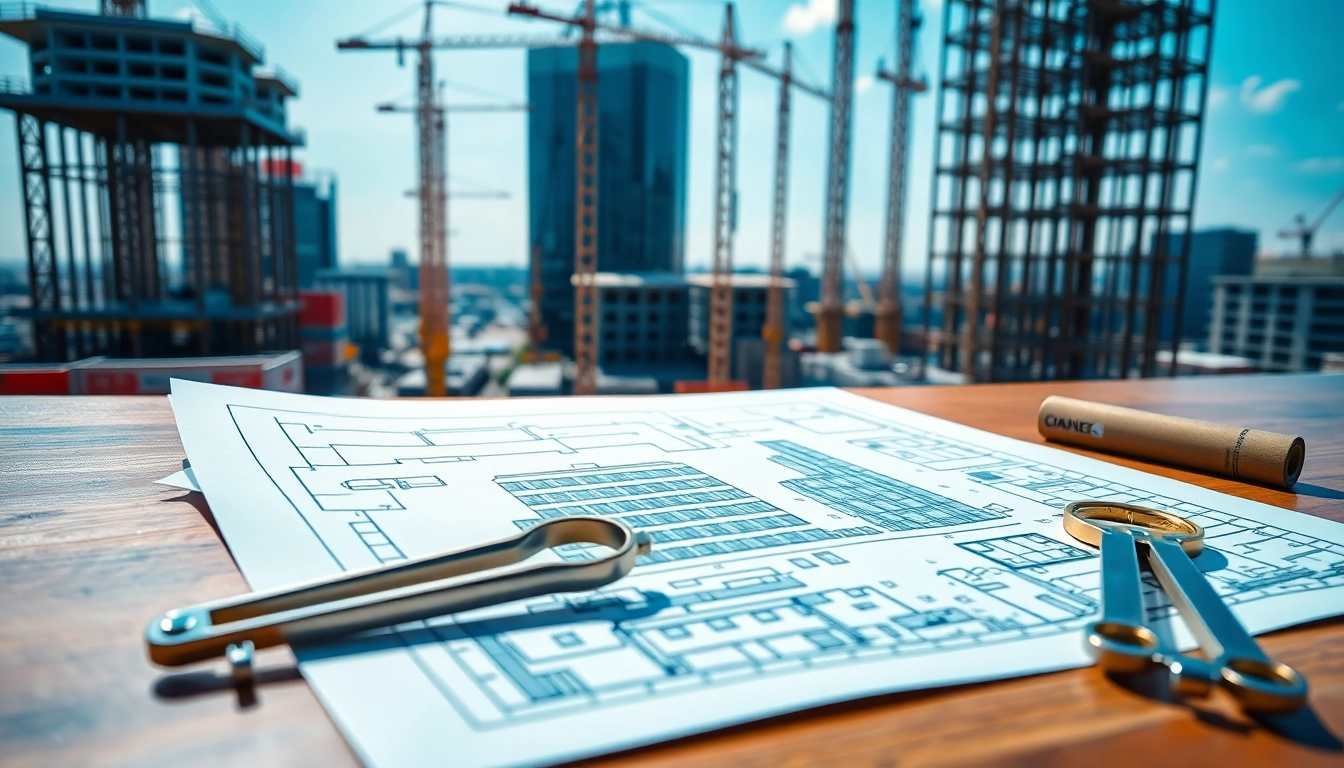
Understanding the Role of a Commercial Building Developer
The role of a commercial building developer is pivotal in the real estate sector, particularly in today’s dynamic market. These professionals are responsible for the entire lifecycle of a construction project, from inception to completion, ensuring that all aspects—financial, regulatory, and environmental—are meticulously addressed. Their work not only shapes skylines but also influences communities and economies at large.
What is a Commercial Building Developer?
A commercial building developer is an individual or organization that oversees the development of commercial real estate, including office buildings, retail spaces, and industrial complexes. This role involves identifying opportunities in the market, acquiring properties, and transforming concepts into tangible structures that meet the needs of businesses.
Development projects can vary significantly in scale and complexity, from constructing a single building to developing a multi-phase project with multiple facilities. Developers must possess a strong understanding of market trends, zoning laws, and construction practices, as well as the ability to navigate financial and regulatory challenges.
Key Responsibilities and Skills Required
The responsibilities of a commercial building developer are broad and multifaceted. They include:
- Project Management: Leading the project from conceptualization through to completion, ensuring timelines and budgets are adhered to.
- Financial Acumen: Structuring financing, managing budgets, and ensuring profitability through cost analysis and investment returns.
- Zoning and Permitting: Navigating local regulations, securing necessary permits, and ensuring compliance with building codes and zoning laws.
- Market Analysis: Conducting thorough research to assess market demand and identify potential barriers or opportunities.
- Negotiation Skills: Working with various stakeholders, including contractors, investors, and government officials, to reach favorable agreements.
In addition to these skills, a successful developer must thrive under pressure, possess strong networking abilities, and demonstrate resilience in overcoming challenges and adapting to changes in the market.
The Importance of Site Selection in Development
Site selection is arguably one of the most critical aspects of commercial development. The chosen location significantly impacts the project’s success, influencing foot traffic, accessibility, and overall demand. A well-selected site can enhance visibility and accessibility, ultimately leading to increased revenues.
Factors to consider when selecting a site include:
- Location: Proximity to transport links, residential areas, and competitor businesses can determine footfall and desirability.
- Market Demand: Understanding the needs and preferences of potential customers can help in selecting a site that will achieve desired occupancy and sales rates.
- Environmental Conditions: Assessing the land’s topography, soil quality, and proximity to natural resources or hazards.
- Regulatory Environment: Evaluating local zoning laws and regulations to ensure the intended use aligns with legal requirements.
By carefully analyzing these factors, developers can mitigate risks and optimize their projects for success.
Steps in the Commercial Building Development Process
Initial Feasibility Studies and Planning
The development process begins with a thorough feasibility study, which assesses whether a project is viable. This phase involves conducting market research, financial modeling, and assessing regulatory requirements. Developers need to analyze demand for the type of commercial property they intend to build, while also estimating costs associated with construction and operation.
Following the feasibility study, developers move into the planning stage, where they outline the scope and design of the project, conduct site assessments, and engage architects and engineers to develop initial blueprints. This stage is crucial as it lays the groundwork for all subsequent steps.
Securing Permits and Financing
Obtaining the necessary permits and financing is a pivotal step in the development process. Depending on the project’s scope and location, developers must apply for various permits—from zoning approvals to environmental clearances. This often requires presenting detailed plans to local government bodies and community stakeholders to gain support for the project.
Simultaneously, securing financing is essential. Developers typically seek funding from banks, private investors, or partnering with larger firms. Creating a robust financial plan, which outlines projected costs and returns, can effectively communicate the project’s viability to potential investors.
Construction Management and Oversight
Once permits are secured and financing is in place, the construction phase begins. This stage requires robust project management skills, as developers must coordinate multiple contractors, manage timelines, and ensure quality control throughout the build process. Regular site visits and meetings with contractors help to maintain progress and address any issues that arise in real-time.
Developers also need to adapt to unexpected challenges, such as supply chain disruptions or changes in regulations that might impact timelines or costs. Effective communication, problem-solving skills, and contingency planning are key during this phase to ensure a successful outcome.
Essential Considerations for Successful Development
Market Analysis and Demand Assessment
A thorough market analysis is imperative for understanding the current and future demand for commercial properties. By evaluating local economic conditions, demographic trends, and competitive landscapes, developers can make informed decisions on the types and scale of buildings to construct. Utilizing data analytics tools can enhance these assessments, providing predictive insights into market trends and consumer behaviors.
Compliance with Local Regulations
Compliance with local regulations cannot be overstated. Understanding zoning laws, environmental regulations, and building codes is vital to avoid costly delays and penalties. Engaging with local government and seeking community input during the planning phase can facilitate smoother approval processes and reduce opposition to proposed developments.
Sustainability Practices in Development
In recent years, sustainability has emerged as a critical consideration for commercial developers. Incorporating green building practices such as energy-efficient designs, sustainable materials, and waste reduction strategies can not only minimize environmental impact but also appeal to increasingly eco-conscious consumers and tenants. Sustainability certifications can enhance property value and may offer tax incentives or lower insurance costs.
Challenges Faced by Commercial Building Developers
Addressing Economic Fluctuations
The real estate market is susceptible to economic fluctuations that can impact financing, demand, and pricing. Developers need to stay informed on market indicators, adjust strategies as needed, and have contingency plans in place. This might include diversifying portfolios across different types of commercial properties or markets to mitigate risks.
Managing Stakeholder Expectations
Developers often encounter diverse stakeholders, including investors, local communities, and government officials, each with their own expectations and concerns. Effectively managing these relationships requires transparent communication, regular updates, and responsiveness to feedback. Building trust and credibility among stakeholders is crucial for long-term success and a smooth development process.
Mitigating Construction Risks
Construction comes with inherent risks, including delays, cost overruns, and safety incidents. Developers must implement rigorous project management methodologies, conduct thorough risk assessments, and maintain an adaptable approach to proactively address potential issues. Having comprehensive insurance coverage and contingency budgets can provide additional protection against unforeseen challenges.
Future Trends in Commercial Building Development
The Impact of Technology on Development
Technology is revolutionizing the commercial building development industry. Advancements in construction techniques, such as modular construction and 3D printing, are reducing costs and construction times. Additionally, utilizing building information modeling (BIM) can enhance project visualization, streamline coordination among stakeholders, and improve overall efficiency.
Shifts in Consumer Preferences
As lifestyles and work habits evolve, so do consumer preferences. Developers need to be attuned to trends like remote work, increased demand for flexible spaces, and enhanced health and wellness features in buildings. Designing spaces that prioritize community interaction and adaptability will be critical to meeting future demands.
Adapting to Environmental Challenges
Climate change and its associated impacts are increasingly important considerations for commercial developers. From rising sea levels to increased frequency of natural disasters, developers need to assess environmental risks and incorporate resilience measures into their projects. This may include elevating buildings, using climate-resilient materials, and utilizing renewable energy sources.
Frequently Asked Questions
What is a commercial building developer?
A commercial building developer is responsible for overseeing the development and construction of commercial properties, ensuring successful project outcomes from planning to completion.
How do I become a commercial building developer?
To become a commercial building developer, pursue a degree in real estate, finance, or a related field, gain industry experience, and develop essential skills in project management and market analysis.
What are the main challenges faced by commercial developers?
Main challenges include economic fluctuations, stakeholder expectations, and managing risks during the construction phase, all of which require proactive strategies and effective communication.
What trends are shaping the commercial building industry?
Trends include technological advancements in construction, shifts in consumer preferences towards flexible spaces, and increasing focus on sustainability and climate resilience.
Why is market analysis important for commercial development?
Market analysis helps developers assess demand, understand competitive landscapes, and make informed decisions about project feasibility and design to maximize success.