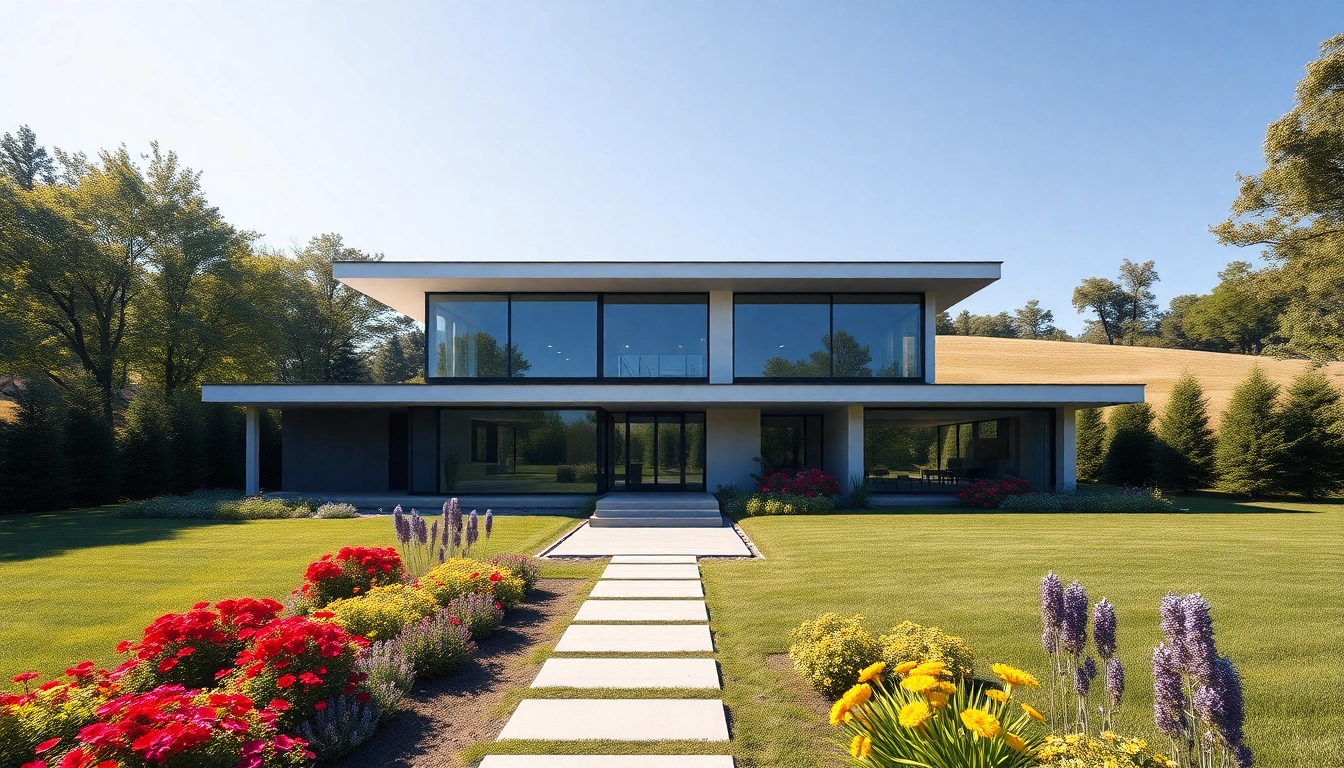
Understanding Massachusetts Residential Architecture
Massachusetts residential architecture stands as a testament to the state’s rich history, innovative spirit, and commitment to sustainable living. This field encapsulates a variety of styles influenced by the region’s cultural heritage, changing climate, and geographical characteristics. When considering design choices, understanding these elements is crucial for homeowners and architects alike. One can explore the terrain of Massachusetts residential architecture to appreciate its complexity and beauty.
History and Evolution
The narrative of Massachusetts residential architecture dates back to the early colonial period, featuring Puritan influences evident in simplicity and functionality. These early homes, often one or two stories, were built with locally sourced materials such as wood and stone. Over centuries, Massachusetts witnessed architectural progress through multiple styles, including Georgian, Federal, and Victorian. Each era brought unique design elements, such as the symmetrical facades of Georgian architecture or the ornate details characteristic of Victorian homes.
The 20th century introduced movements such as Arts and Crafts and Modernism, incorporating principles of craftsmanship and minimalism. As architectural tastes evolved, new technologies and building methods changed the landscape of homes throughout the state. Understanding this evolution is vital for modern architects, ensuring that they respect historical contexts while innovating.
Key Architectural Styles
Massachusetts is a mosaic of distinct architectural styles, each telling a story reflective of its time and the people who lived there:
- Colonial: Characterized by sturdy, simple structures, these homes often feature steep roofs, symmetrical designs, and large chimneys.
- Federal: Emerging in the late 18th century, the Federal style introduced refined details, flat roofs, and elliptical fanlights over the entrance.
- Victorian: This style flourished in the 19th century, marked by intricate designs, vibrant colors, and diverse materials, including brick and woodwork.
- Arts and Crafts: Prioritizing craftsmanship and natural materials, this style focuses on simplicity and function, prevalent in the early 20th century.
- Modern: Characterized by clean lines and open spaces, modern design often incorporates innovative materials and technologies, reflecting current trends.
Each style contributes to the aesthetic and cultural diversity of Massachusetts, making residential architecture a critical component of the state's identity.
Influence of Climate and Geography
The geography and climate of Massachusetts significantly impact architectural choices and building practices. With its coastal location, the state experiences a range of weather conditions, including harsh winters, humid summers, and coastal storms. These factors necessitate robust design considerations.
For instance, homes need adequate insulation to withstand cold temperatures and ventilation systems to manage humidity. Coastal homes often incorporate raised designs to mitigate flood risks, while inland structures might emphasize thermal mass to retain heat. Architects must consider solar orientation to maximize natural light and energy efficiency, leading to the use of larger windows on southern facades and strategic overhangs to reduce cooling needs during summer months. This geographical awareness ensures homes remain resilient and comfortable throughout the year.
Essential Elements of Design
Site Planning and Landscaping
Effective site planning is crucial in Massachusetts residential architecture, combining aesthetic appeal with functional outdoor spaces. A well-structured site plan considers elements like access, privacy, and environmental impact. Incorporating native plants into the landscaping not only enhances the beauty of homes but also promotes biodiversity and reduces maintenance.
In many parts of Massachusetts, sloped terrains are common. Architects can harness these slopes for designing multilevel homes that offer exceptional views while also designing gardens and outdoor areas that complement the natural topography. Sustainable landscaping practices, including rain gardens and permeable pavements, can also manage stormwater runoff, ensuring a home harmonizes with its surroundings.
Floor Plans and Spatial Efficiency
Floor plans are pivotal in maximizing spatial efficiency and ensuring a home’s functionality. Open-concept designs have gained popularity, promoting a flow between living spaces. This strategy enhances social interaction, making homes feel more expansive. However, Massachusetts architects often balance open layouts with defined areas for privacy and utility.
Additionally, flexible spaces that can serve multiple purposes are increasingly favored. For example, a home office can transform into a guest bedroom, adapting to the owners' needs. Thoughtful circulation paths, adequate storage solutions, and natural light considerations are also integral to effective interior layouts.
Material Selection and Sustainability
Material selection in Massachusetts residential architecture emphasizes durability, aesthetics, and sustainability. Using locally sourced materials not only strengthens the connection between the home and its environment but also reduces transportation emissions. Traditional materials such as wood and stone are often selected for their durability and thermal properties.
Moreover, architects are incorporating innovative materials like recycled metal and low-impact concrete to enhance sustainability. The use of energy-efficient windows and sustainable roofing options further contributes to lower energy consumption, appealing to environmentally conscious homeowners. This shift towards responsible material selection reflects a broader commitment to environmental stewardship in Massachusetts residential architecture.
Current Trends in Massachusetts Residential Architecture
Integration of Smart Home Technology
The emergence of smart home technology is revolutionizing Massachusetts residential architecture. Homeowners are increasingly seeking integrated systems that allow for seamless control of lighting, security, and HVAC systems through smartphones or voice commands. Architects are now designing homes with built-in infrastructure to support these technologies, ensuring that homes are not only functional but also future-proof.
From automated lighting to smart thermostats, these technologies enhance convenience, security, and energy efficiency. An architect’s role now includes understanding the latest smart home innovations and how to implement them effectively within a design, providing homeowners with both luxury and practical benefits.
Emphasis on Energy Efficiency
Energy efficiency is a primary focus in Massachusetts residential architecture, driven by rising utility costs and environmental awareness. Modern designs often incorporate passive solar design principles, utilizing the sun’s natural energy to heat and light homes effectively. Strategic window placement, insulation, and thermal mass are crucial elements in achieving these goals.
Furthermore, the adoption of renewable energy sources, such as solar panels, has become commonplace in new constructions. Architects are increasingly required to integrate these systems into their designs, meeting the demand for homes that minimize their carbon footprint. By pursuing energy efficiency, homeowners not only save on energy costs but also contribute positively to environmental sustainability.
Interior Design Trends
Interior design trends in Massachusetts residential architecture mirror shifting societal values, focusing on wellness, comfort, and personalization. As homeowners seek ways to enhance their living spaces, trends often lean towards creating tranquil environments through biophilic design, emphasizing natural elements and indoor plants.
In addition, minimalist design principles are being embraced, promoting the idea that less is more. This includes decluttering spaces and prioritizing high-quality, functional furnishings. Color palettes are shifting toward earthy tones, promoting a sense of calm and connection to nature.
Moreover, multifaceted spaces that adapt to changing lifestyles are gaining popularity, with homeowners increasingly desiring to create homes that reflect their identities and support their well-being.
Navigating Building Regulations
Understanding Zoning Laws
Zoning laws in Massachusetts play a critical role in shaping residential architecture. These regulations designate how land can be used, affecting everything from home types to lot sizes. Understanding the specific zoning laws in one’s locality is essential for homeowners and architects, as these laws dictate what is permissible.
Common zoning considerations include setback requirements, height restrictions, and land use designations. Engaging with local zoning boards early in the planning process can help mitigate risks associated with non-compliance and enhance project viability.
Permit Processes in Massachusetts
Obtaining the necessary permits is a crucial step in any residential building project in Massachusetts. The permit process can be intricate, requiring careful documentation and adherence to local and state regulations. Homeowners should prepare for multiple permits, including building, occupancy, and electrical permits, depending on the project’s scope.
It's advisable to work closely with local authorities and professionals who understand the permitting landscape, as this can streamline the process and avoid delays. Comprehensive planning and early engagement with permitting authorities will facilitate a smoother construction experience.
Building Codes and Compliance
Massachusetts has stringent building codes designed to ensure safety and structural integrity in residential construction. Familiarity with these codes is essential for both architects and builders, as they cover elements ranging from structural framing to fire safety measures.
Compliance with the Massachusetts State Building Code is mandatory, and projects may also be subject to local amendments. Regular inspections throughout the building process are needed to ensure adherence to these codes, ultimately protecting homeowners and enhancing property value.
FAQs About Massachusetts Residential Architecture
What are the common architectural styles in Massachusetts?
Common architectural styles include Colonial, Federal, Victorian, Arts and Crafts, and Modern, each reflecting the state's diverse history and culture.
How can I improve energy efficiency in my home?
Improving energy efficiency can be achieved by enhancing insulation, utilizing energy-efficient windows, installing smart thermostats, and considering renewable energy sources.
What factors should I consider when selecting materials?
Consider durability, sustainability, aesthetic appeal, and compatibility with the local climate. Using locally sourced materials can also enhance your home's connection to its environment.
How does climate affect architectural choices?
The climate influences design decisions, including insulation, ventilation, and materials. For example, homes in coastal areas may need elevated designs to manage flooding risks.
What are the steps to start a residential building project?
Key steps include determining your budget, selecting an architect, developing plans, obtaining permits, and selecting builders, followed by project construction and inspections.