
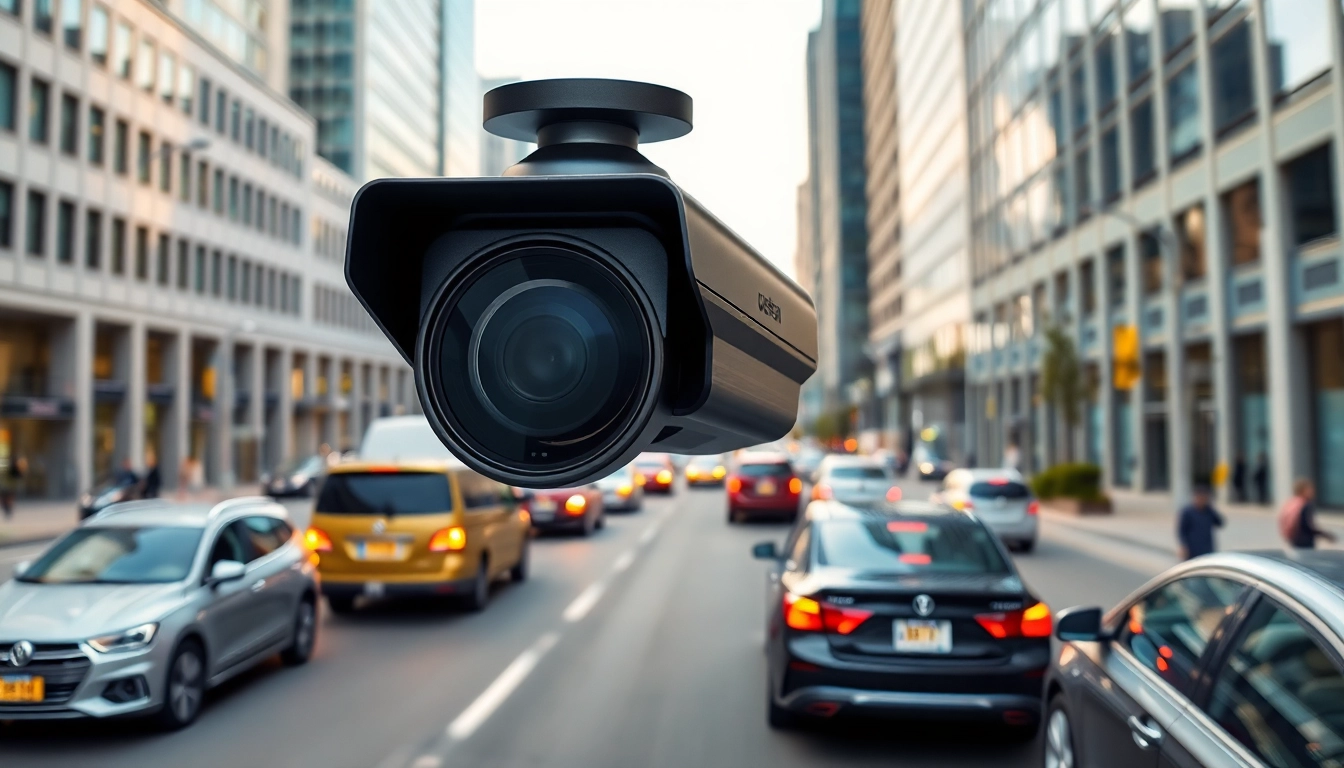
The Importance of License Plate Recognition Cameras
In an era where security and monitoring technologies are at the forefront of public and private safety initiatives, the license plate recognition camera stands out as an essential tool. This technology allows for the automatic identification of vehicles via their license plates, which is beneficial for various applications, including law enforcement, access control, and traffic management. With the ability to process information in real time, these cameras enhance their operational efficiency, offering stakeholders improved security measures and operational insights.
Understanding License Plate Recognition Technology
License Plate Recognition (LPR) technology utilizes optical character recognition (OCR) to read license plates from vehicles. This sophisticated system comprises high-resolution cameras and specialized software that processes imagery, extracting license plate data even in challenging conditions, such as low light or high speeds. The fundamentals of LPR technology involve several key components:
- Image Capture: High-quality cameras capture images of vehicles, ensuring clarity and detail for accurate processing.
- Data Processing: The captured images are analyzed by advanced algorithms that convert visual data into machine-readable text.
- Data Storage: The extracted information is stored in databases, allowing for immediate retrieval and series querying.
- Integration: The LPR system can integrate with various databases and security systems, enhancing its utility for law enforcement and private security firms.
Benefits of License Plate Recognition Cameras
Engaging with LPR technology offers numerous benefits, making it a powerful asset for organizations and security agencies alike. Key advantages include:
- Enhanced Security: LPR cameras provide real-time surveillance, significantly reducing response times to potential threats.
- Increased Efficiency: Automated data collection removes human error, streamlining processes such as toll collection, parking management, and traffic monitoring.
- Data Accessibility: Centralized databases allow for easy retrieval and integration of vehicle information during investigations or monitoring.
- Cost-Effectiveness: While the initial investment may be substantial, the long-term savings from reduced manual labor and enhanced security are noteworthy.
Common Applications of License Plate Recognition Cameras
The applications of license plate recognition cameras are vast and diverse, addressing various sectors, including:
- Law Enforcement: LPR systems assist police in tracking stolen vehicles, monitoring criminal activities, and manage traffic violations.
- Traffic Management: These systems help in monitoring traffic flow, assessing congestion, and managing toll booths or parking lots more effectively.
- Access Control: Organizations use LPR for allowing entry to authorized vehicles in gated communities, corporate offices, or secured facilities.
- Fleet Management: Businesses with delivery or service vehicles utilize LPR to track their fleet efficiency and monitor unauthorized vehicle use.
How License Plate Recognition Cameras Work
Understanding the operational mechanics of license plate recognition cameras is crucial for organizations considering their implementation. These systems work through a series of steps that facilitate effective data acquisition and processing.
Key Features of Efficient License Plate Recognition Cameras
When selecting LPR cameras, several features define their efficiency and effectiveness:
- High-Resolution Imaging: High pixel density allows for clearer images, enhancing the probability of accurate license plate reading.
- Night Vision Capabilities: Infrared or low-light technology is pivotal for capturing clear images at night or in challenging light conditions.
- Weather Resistance: Cameras designed for outdoor environments should be robust against various weather conditions to maintain operation integrity.
- Real-Time Processing: Fast data processing allows immediate action based on the recognition results, supporting applications in law enforcement and security.
Processing Speed and Accuracy
The efficiency of an LPR system is significantly defined by its processing speed and accuracy. Advanced algorithms can analyze and compare images in milliseconds, generating near-instantaneous results. Accuracy is influenced by:
- Camera Positioning: Optimal placement ensures minimal obstructions and angles that maximize visibility of the plate.
- Environmental Factors: Weather conditions, lighting, and vehicular speed can affect performance, thus requiring calibration.
Integration with Security Systems
For enhanced functionality, LPR cameras can integrate seamlessly with existing security systems such as access control mechanisms, alarm systems, and central monitoring stations. This intertwining allows for:
- Centralized Monitoring: Security personnel can manage access points and receive alerts in real-time, streamlining incident response.
- Data Sharing: LPR data can be accessible to law enforcement agencies or corporate security, enhancing collaboration on investigations.
Choosing the Right License Plate Recognition Camera
When venturing into the market for a license plate recognition camera, it’s crucial to evaluate several factors to ensure you select a system that meets your specific needs and operational requirements.
Factors to Consider When Selecting a Camera
Several elements should be assessed when choosing the right LPR camera:
- Intended Use: Define the primary purpose of the camera—be it for law enforcement, toll collection, or security monitoring.
- Installation Environment: Determine whether the camera will be placed indoors, outdoors, or in low-light areas to ensure appropriate specifications.
- Budget Constraints: Evaluate the total cost of ownership, factoring in installation, maintenance, and operational costs.
Cost vs. Quality Analysis
While initial costs of LPR systems may vary widely, it is essential to analyze the relationship between cost and quality. Cheaper systems might incur hidden costs, including additional maintenance and lower efficiency, while higher-priced options generally offer more advanced features and better reliability. Make your decision based on:
- Long-term Value: Consider potential savings from efficiency and theft reduction against upfront costs.
- Warranty and Support: Systems with comprehensive support frameworks and warranties often deliver better experiences.
Top Features for Effective Monitoring
To ensure effective monitoring capability, look for features that enhance the camera’s utility:
- Scalability: The ability to expand your system as needs change without significant additional investment.
- User-Friendly Interface: Simplifies the training process for personnel and speeds up response times.
- Advanced Analytics: Features such as reporting and analytics can help optimize operations based on data trends.
Installation and Setup of License Plate Recognition Cameras
Installing a license plate recognition camera requires careful planning and execution to ensure optimal functionality from day one. Proper setup can make a significant difference in performance and longevity.
Guidelines for Proper Installation
To achieve the best results during installation, consider the following guidelines:
- Site Survey: Conduct a thorough assessment of the area to identify optimal locations for camera placement.
- Power Supply: Ensure access to power sources and adequate wiring for data transmission.
- Network Configuration: Configure settings to accommodate secure data transfer and integration with monitoring systems.
Effective Placement of License Plate Recognition Cameras
Effective placement is crucial for maximizing the utility of license plate recognition cameras. Focus on these strategies for optimal positioning:
- Height and Angle: Install cameras at a height that captures plates without obstruction and at angles that maximize visibility.
- Clear Line of Sight: Ensure there are no obstructions, such as trees or fences, that could hinder camera performance.
Troubleshooting Common Installation Issues
Even with careful planning, issues may arise during installation. Here are some common challenges and solutions:
- Poor Image Quality: Adjust camera angles or clean lenses to enhance clarity.
- Connectivity Problems: Verify network settings and ensure all hardware is correctly configured.
- Inconsistent Detection: Test the system under various vehicle speeds and lighting conditions to fine-tune settings.
Future Trends in License Plate Recognition Camera Technology
The landscape of license plate recognition camera technology is evolving rapidly, driven by advancements in artificial intelligence (AI) and machine learning. Staying informed about these trends is crucial for organizations utilizing this technology.
Advancements in AI and Machine Learning
Future improvements powered by AI and machine learning aim to enhance the capabilities of LPR systems, including:
- Improved Accuracy: Enhanced algorithms will increase reading accuracy, even under challenging conditions.
- Predictive Analytics: Integrating predictive algorithms could provide insights into trends in vehicle movement and unauthorized access.
Emerging Uses in Law Enforcement
Law enforcement agencies are likely to adopt more integrated LPR systems for various purposes, like:
- Crowd Control: Utilizing LPR to monitor and control movements during large gatherings or events.
- Enhanced Criminal Investigations: Real-time data sharing with central databases to enhance criminal tracking efforts.
Potential Challenges and Considerations
While advancements provide numerous benefits, they also introduce challenges such as:
- Data Privacy Concerns: Addressing privacy issues related to surveillance and data storage is critical.
- Technological Dependencies: Heavy reliance on technology necessitates robust backup systems to address potential failures.
Frequently Asked Questions
1. How accurate are license plate recognition cameras?
Accuracy rates can reach over 90% when optimal conditions are met, including good camera placement and maintenance.
2. Can LPR cameras work at night?
Yes! Most LPR cameras are equipped with infrared capabilities for high-quality imaging in low-light conditions.
3. Are license plate recognition cameras legal?
Yes, but legality can vary by region. Always ensure compliance with local regulations regarding surveillance and data privacy.
4. What are the data storage requirements for LPR systems?
Data storage varies based on usage; typically, a system retains data for days to months, compliant with industry regulations.
5. Can LPR systems integrate with other security systems?
Absolutely! LPR technology can integrate with access control systems, alarms, and centralized monitoring solutions for enhanced security.