
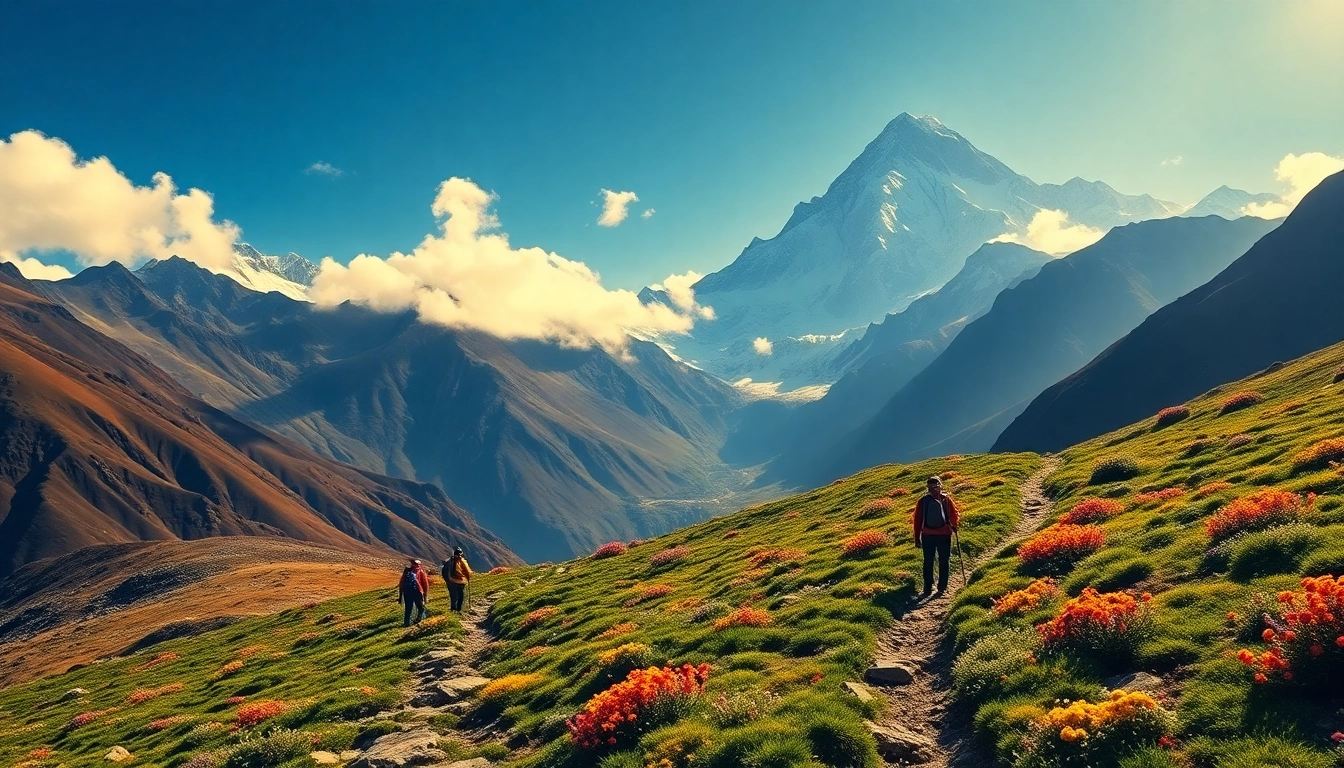
Introduction to Goechala Trek
The goechala trek is one of the most breathtaking treks in the eastern Himalayas, attracting adventurers from all over the globe. Nestled in the majestic state of Sikkim, this trek offers panoramic views of towering peaks, lush greenery, and glacial landscapes, making it a haven for trekking enthusiasts and nature lovers alike. Unlike many other trekking routes, Goechala tantalizes trekkers with unique challenges and idyllic scenery, promising an experience that is both exhilarating and deeply fulfilling.
Understanding the Trek’s Significance
The Goechala trek is renowned not only for its extraordinary views of the mighty Kanchenjunga — the third highest mountain in the world — but also for its rich biodiversity and cultural significance. The trek allows trekkers to traverse through the expansive Kanchenjunga National Park, which is home to many rare species of flora and fauna. The experience of walking through lush forests filled with rhododendrons, oak trees, and a tapestry of colorful wildflowers brings a connection to nature that is hard to replicate elsewhere. Additionally, trekkers often encounter local cultures, including the warm hospitality of the Sikkimese people, which further enhances this trek’s value.
Best Time to Undertake the Goechala Trek
Timing your trek is pivotal to ensure you gain the best experiences the trail has to offer. The ideal time to undertake the Goechala trek varies with seasons:
- Spring (March to May): This period features blooming rhododendrons and clear skies, making it ideal for panoramic views.
- Autumn (September to November): Offering stable weather and stunning views, this is believed to be the peak trekking season for Goechala.
- Summer (June to August): Although it can be rainy, trekking during this time presents lush green landscapes, but challenges due to wet paths.
- Winter (December to February): While the views can be stunning with snow-capped peaks, the trek becomes more challenging due to extreme cold and potential snowfall.
Overview of the Trekking Route
The Goechala trek typically spans around 90 kilometers and is categorized as a challenging trek. The journey usually starts from Yuksom, a picturesque village that serves as the entry point for trekkers. The major highlights along the way include:
- Sachen: The first camping site, surrounded by dense forests.
- Tshoka: Offers spectacular views; trekkers often encounter local wildlife.
- Dzongri: A high-altitude campsite that boasts unobstructed views of the Kanchenjunga range.
- Goechala Pass: The trek culminates here, providing a breathtaking 180-degree view of sixteen towering peaks, including Kanchenjunga itself.
Preparing for the Goechala Trek
Preparation is essential for a successful and safe trek. The Goechala trek demands physical fitness and proper planning to ensure a smooth experience. Here’s what you need to focus on during your preparation phase:
Physical Fitness and Training
As the Goechala trek encompasses steep ascents and a high-altitude environment, physical conditioning is paramount. Prospective trekkers should engage in cardiovascular exercises and strength training several weeks in advance. Recommended workouts include:
- Running or jogging to build endurance.
- Hiking with a weighted backpack to simulate trekking conditions.
- Strength workouts focusing on the legs and core to tackle ascents.
- Stamina-building exercises, such as cycling or swimming.
Essential Gear and Packing List
Having the right gear can be the difference between an enjoyable trek and a dangerous ordeal. Essential equipment for the Goechala trek includes:
- Clothing: Moisture-wicking layers, warm insulated jackets, and waterproof outer layers.
- Footwear: High-quality trekking boots with good ankle support.
- Backpack: Durable and lightweight packs with adequate space for gear.
- Sleeping gear: A good sleeping bag suitable for cold temperatures.
- Other essentials: Trekking poles, headlamps, first-aid kits, and personal hygiene items.
Safety Tips for a Successful Trek
Prioritizing safety is essential when trekking through remote regions. Here are some essential safety tips:
- Acclimatize properly to prevent altitude sickness.
- Stay hydrated and maintain a balanced diet during the trek.
- Keep updated with local weather forecasts and be prepared for sudden changes.
- Always trek with a companion or guide for safety.
During the Trek: What to Expect
The actual trekking experience on the Goechala can be transformative, with each day presenting new adventures and challenges:
Daily Itinerary Breakdown
A typical itinerary for the Goechala trek is structured over several days. Here’s a breakdown:
- Day 1: Arrive in Yuksom, acclimatize and explore the village.
- Day 2: Trek from Yuksom to Sachen (10 km) through dense forests.
- Day 3: Trek from Sachen to Tshoka (7 km), enjoy evening views.
- Day 4: Tshoka to Dzongri (10 km), budget time for acclimatization.
- Day 5: Day hike to Dzongri Peak for stunning sunrises.
- Day 6: Trek from Dzongri to Goechala Base Camp (13 km); relish breathtaking views.
- Day 7: Summon your strength for the final push to Goechala Pass and return to Dzongri.
- Day 8: Descend to Tshoka from Dzongri (10 km).
- Day 9: Trek back to Yuksom, culminating the stunning journey.
- Day 10: Depart from Yuksom with a heart full of memories.
Challenges and Rewards of the Goechala Trek
The Goechala trek involves several rewarding experiences alongside challenges:
- Challenge: Steep ascents and potentially harsh weather conditions.
- Reward: Awe-inspiring views from high vantage points and the camaraderie that forms among trekkers.
- Challenge: Altitude sickness symptoms can occur.
- Reward: Achieving the summit offers a profound sense of accomplishment.
Engaging with Local Culture
On the trek, interactions with local communities enrich the experience. Sikkim’s diverse cultural heritage is evident in the local cuisine, festivals, and traditions observed in villages along the route. Opportunities to engage include:
- Sampling traditional dishes such as Momo and Thukpa.
- Learning about Buddhist traditions from local monasteries.
- Participating in local cultural events if the timing aligns.
Frequently Asked Questions about Goechala Trek
How Difficult is the Goechala Trek?
The Goechala trek is challenging and requires trekkers to be physically fit. It spans around 90 km and includes steep ascents at high altitudes. Proper preparation is essential for a successful challenge.
What is the Average Cost for Goechala Trek?
The average cost for the Goechala trek varies depending on the tour operator and package selected, typically ranging between ₹15,000 to ₹25,000 per person for a standard 10-day trek, excluding travel to Yuksom.
How to Prepare Physically for the Goechala Trek?
To prepare physically, engage in cardiopulmonary exercises, hiking with a loaded backpack, and strength training focusing on legs and core to improve endurance and stamina before the trek.
Is Hiring a Guide Necessary for the Goechala Trek?
While it’s possible to trek without a guide, hiring one is highly recommended, especially for first-time trekkers. They provide valuable knowledge of the terrain, safety tips, and cultural insights.
How to Deal with Altitude Sickness While Trekking?
To combat altitude sickness, acclimatize properly by ascending gradually, stay hydrated, and recognize signs of distress early. If symptoms worsens, descend immediately.
Conclusion: Why Choose Goechala Trek
The goechala trek is not merely a physical journey but a remarkable exploration of stunning landscapes, deep-rooted cultures, and personal limits. It allows trekkers to reconnect with nature while facing challenges that foster growth and resilience.
Memories and Experiences Awaiting
Every trekker returns from Goechala with memories that last a lifetime, be it the joy of reaching the summit or the warmth shared with fellow adventurers under the expansive stars.
Exploring Wildlife in the Region
The trek’s path drapes through the Kanchenjunga National Park, a hotspot for biodiversity. Trekkers will encounter various species of birds, butterflies, and maybe even elusive mammals like the red panda, fostering an additional layer of connection to the region.
Final Thoughts on Your Goechala Trek
A journey on the Goechala trek invites reflection and adventure like no other. The trek promises numerous rewards for those willing to push their boundaries, explore the untamed, and embrace the beauty of Sikkim’s mountains.