
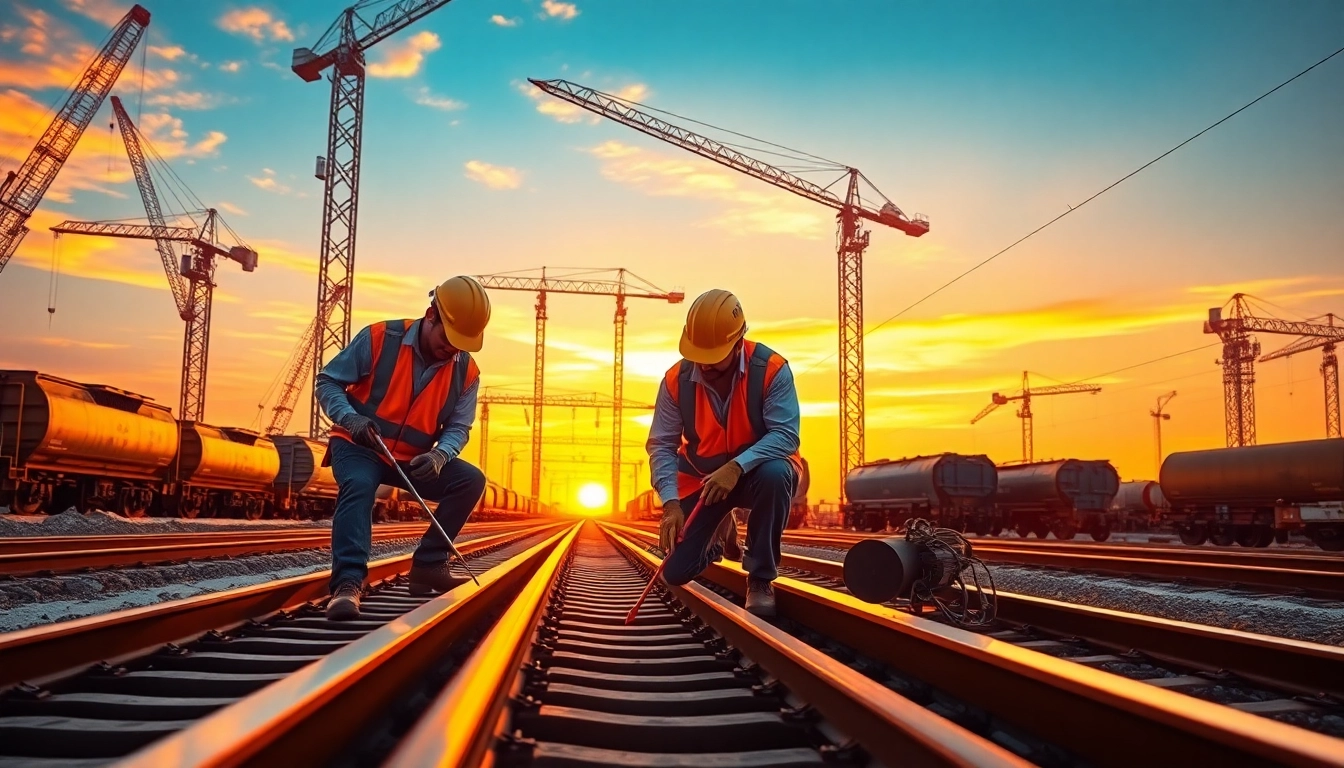
Understanding the Role of Railroad Contractors
Railroads are vital to the economy, transporting goods and passengers across vast distances. At the core of this intricate operation are Railroad Contractors, who play an essential role in the construction and maintenance of railway systems. These professionals are responsible for a wide range of tasks that ensure rail systems are safe, efficient, and up-to-date with modern demands. Understanding what these contractors do can shed light on the significance of their work in the railroad industry.
What Do Railroad Contractors Do?
Railroad contractors perform a variety of functions that can be categorized into construction, maintenance, and rehabilitation of rail infrastructure. They engage in the installation of tracks, bridges, and signaling systems, as well as the construction of train stations and maintenance yards. Maintenance tasks include regular inspections, repairs, and upgrades to ensure the integrity and reliability of rail systems.
These contractors also specialize in the excavation and grading of land to lay tracks, manage drainage systems, and ensure proper foundations for railway structures. Their work can range from large-scale projects that involve new lines to minor fixes that maintain ongoing operations. Ultimately, they ensure that trains run safely and efficiently, connecting communities and supporting commerce.
Key Skills and Qualifications
Being a successful railroad contractor requires a combination of technical skills, certifications, and practical experience. Key qualifications typically include:
- Engineering Proficiency: A background in civil engineering is advantageous, with knowledge in structural dynamics and materials science.
- Project Management: Strong project management skills help contractors oversee complex operations within set budgets and timelines.
- Safety Compliance: Familiarity with safety regulations and protocols is critical to ensure the protection of workers and the public.
- Technical Acumen: Practical skills in using machinery and technology are essential for construction and maintenance tasks.
Additionally, certifications from professional organizations and ongoing training in new technologies and methodologies enhance a contractor’s employability and effectiveness in the field.
Importance of Safety Standards
Safety is paramount in the railroad industry. Railroad contractors must adhere to strict safety standards to minimize accidents and fatalities. This includes conducting regular safety training sessions for their employees and implementing rigorous safety protocols on construction sites.
Railroad workers face numerous hazards, including working close to moving trains and heavy equipment, which necessitates a strong emphasis on safety. By following guidelines set by federal agencies, such as the Federal Railroad Administration (FRA), contractors can create a culture of safety that protects both workers and the public.
Challenges Faced by Railroad Contractors
Despite the critical role they play, railroad contractors encounter several challenges that can impede their operations and project success. Understanding these difficulties can help stakeholders devise effective solutions and improve overall project outcomes.
Weather-Related Issues
Weather conditions significantly impact the scheduling and execution of railroad construction and maintenance projects. Rain, snow, and extreme temperatures can stall work, damage materials, and pose safety risks for workers. Contractors must prepare for these challenges by scheduling projects seasonally and employing weather-resistant construction techniques.
Additionally, implementing a flexible project management framework allows contractors to adjust timelines and resource allocations in response to unforeseen weather events.
Budget Constraints and Material Costs
Budget constraints are a pervasive challenge, often resulting from rising material costs and the need for more stringent safety measures. Railroad contractors must navigate fluctuating prices for raw materials like steel, wood, and concrete, which can significantly impact project budgets and timelines.
Strategies to manage costs include bulk purchasing agreements, effective supplier negotiations, and careful project planning to minimize waste. Additionally, utilizing innovative materials or construction techniques may help reduce overall project costs while maintaining quality.
Regulatory Compliance Difficulties
Compliance with federal, state, and local regulations can be overwhelming for railroad contractors. The complexity of ever-changing regulations requires contractors to stay informed on legal requirements concerning labor, safety, and environmental impact.
To mitigate compliance issues, contractors can invest resources into training and legal consultation, ensuring regulations are met from project inception through to completion. Regular audits and checklists can help maintain adherence to these standards throughout the project lifecycle.
Best Practices in Railway Construction
Embracing best practices enhances efficiency, safety, and quality in railroad construction. These practices can lead to faster project completions and cost savings while maximizing the safety and satisfaction of both workers and clients.
Utilizing Advanced Technologies
Integrating advanced technologies into the construction process can revolutionize how railroad contractors work. Technologies like Building Information Modeling (BIM), drone surveying, and automated rail laying equipment offer significant advantages. These tools not only increase the speed and accuracy of construction but also provide excellent predictive capabilities, allowing contractors to identify potential issues before they arise.
Investing in training for these technologies is essential to fully harness their benefits, which ultimately leads to enhanced project delivery and reduced costs.
Collaboration with Engineering Teams
Establishing solid collaboration between contractors and engineering teams is vital for project success. This partnership ensures that construction practices align with engineering plans and specifications, minimizing the risk of costly rework or safety issues. Regular communication and joint problem-solving sessions foster a collaborative environment where innovative solutions can emerge.
Utilizing specialized project management software can streamline communication and data sharing among teams and help track project progress in real-time.
Effective Project Management Strategies
Effective project management is crucial for the successful completion of railroad projects. Utilizing robust project management methodologies like Agile or Waterfall can facilitate better organization. These approaches help contractors break down projects into manageable tasks, set deadlines, and monitor progress while maintaining flexibility to accommodate changes.
Additionally, establishing clear roles and responsibilities within the project team cultivates accountability and ensures that everyone is working toward mutual goals.
Case Studies: Successful Projects by Railroad Contractors
Real-world examples of successful railroad projects illustrate the effectiveness of strategies employed by contractors in overcoming challenges and delivering high-quality results.
Modernizing Old Infrastructure
One prominent case highlights a project focused on modernizing an aging rail corridor. Contractors were commissioned to replace old tracks and signals with new, energy-efficient systems. Employing state-of-the-art technologies significantly reduced the project’s timeline, allowing trains to resume operations faster and enhancing overall safety standards.
This modernization not only improved operational efficiency but also increased ridership, resulting in economic benefits for the community served by the railway.
Innovative Solutions for Complex Projects
In another example, a contractor faced the challenge of building a bridge over a heavily trafficked highway. By utilizing innovative layering techniques and advanced safety equipment, they successfully completed the project ahead of schedule, minimizing disruptions to roadway traffic. This successful execution underscores the importance of creativity and adaptive solutions in railroad contracting.
Community Impact and Engagement
Successful railroad projects also often focus on community engagement. A notable project involved extensive collaboration with local community members and stakeholders to determine the best approach for rail expansion. By integrating community input into the planning process, contractors fostered goodwill and ensured that the project met local transportation needs while respecting environmental concerns.
Such collaborative approaches ultimately enhance community relations and demonstrate the commitment of railroad contractors to serving the public interest.
Future Trends in Railroad Contracting
The railroad industry is rapidly evolving, influenced by technological advancements and societal shifts. Staying ahead of these trends is crucial for railroad contractors seeking to maintain relevance and efficiency in their operations.
Sustainability and Environmental Considerations
As environmental concerns grow, railroad contractors must prioritize sustainability in their projects. This may involve utilizing eco-friendly materials, reducing waste, and implementing practices to conserve energy during construction and maintenance. Strategies like incorporating recycled materials and optimizing operations to minimize emissions can enhance a contractor’s reputation while contributing positively to the environment.
Emerging Technologies and Their Applications
The integration of Artificial Intelligence (AI), Internet of Things (IoT), and autonomous machinery is revolutionizing the railroad contracting space. These technologies provide contractors with real-time data, allowing for proactive decision-making and increased operational efficiency. Embracing such innovations can enhance safety and reduce costs through improved resource allocation and task automation.
The Evolving Workforce and Skills Needs
With emerging technologies and evolving industry demands, the workforce in railroad contracting is also changing. Contractors will need to focus on developing skilled labor equipped with the knowledge to operate new technologies and adapt to emerging trends.
Investing in training programs and partnerships with educational institutions can help upskill the current workforce and attract new talent, ensuring that the industry remains competitive and innovative.
Frequently Asked Questions
What is the primary role of a railroad contractor?
Railroad contractors specialize in constructing and maintaining railway infrastructure, including tracks, bridges, and signaling systems, to ensure safe and efficient operations.
What qualifications are necessary for railroad contractors?
Essential qualifications include civil engineering knowledge, project management skills, safety compliance expertise, and hands-on experience with construction equipment and techniques.
How do contractors ensure safety on construction sites?
Contractors adhere to stringent safety regulations, provide regular training, conduct safety audits, and implement safety protocols to protect workers and the public.
What are some challenges faced by railroad contractors?
Common challenges include weather-related delays, budget constraints due to fluctuating material costs, and navigating regulatory compliance issues throughout projects.
How is technology affecting railroad contracting?
Emerging technologies like AI, IoT, and automation enhance efficiency, safety, and project management capabilities, driving innovation across the railroad contracting industry.