
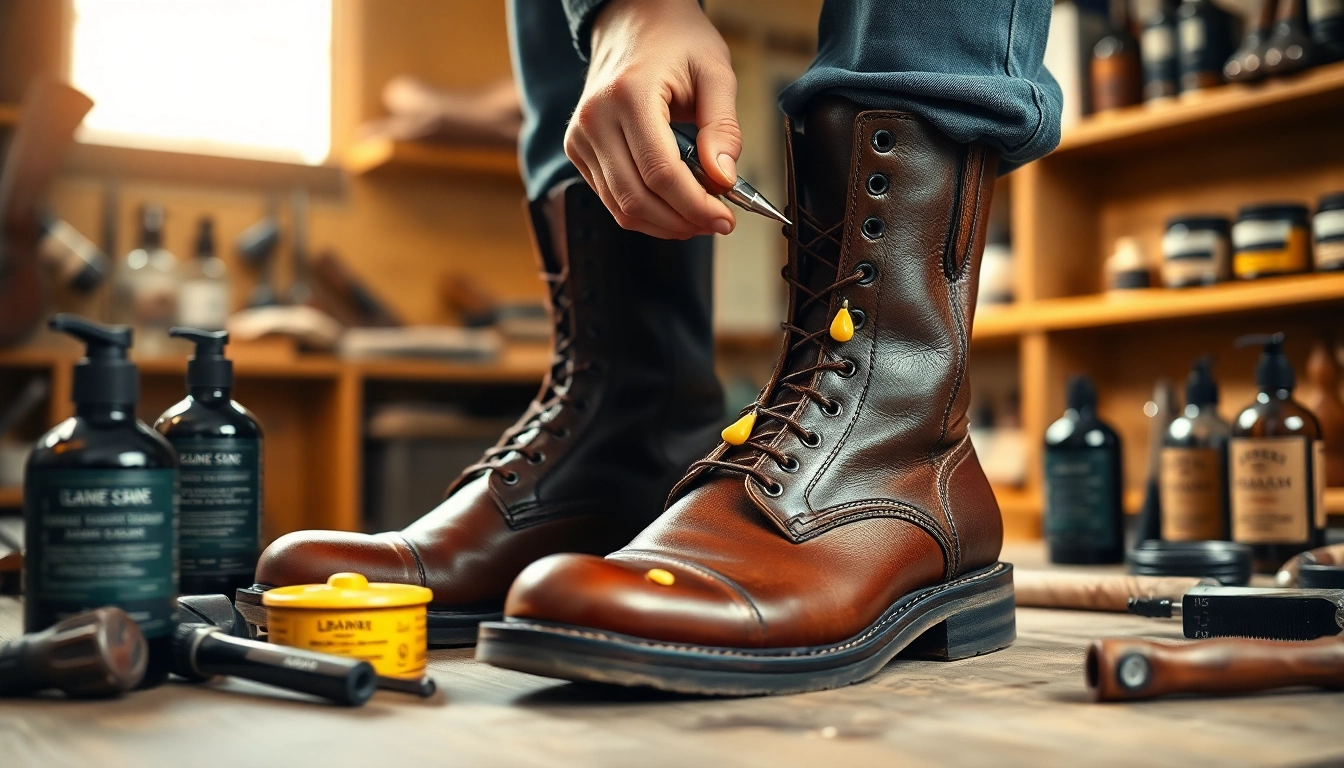
Understanding Leather and Its Waterproofing Needs
The Nature of Leather
Leather is a natural material derived from animal hides, prized for its durability, comfort, and aesthetic appeal. However, its porous structure makes it susceptible to water damage, especially in winter conditions. The fibers in leather can absorb moisture, leading to stains, stiffness, and eventually, degradation of the material. Understanding these properties is essential for any leather owner who wishes to prolong the life of their boots.
Why Waterproof Leather Boots for Winter?
Waterproofing leather boots is crucial for protecting them from the harsh winter elements, including snow, ice, and rain. Wet leather can lead to a range of problems, such as mold growth, odor, and irreversible damage. Additionally, waterproofing helps maintain the boot’s structural integrity and aesthetic appeal, ensuring they remain comfortable and stylish throughout the cold months. Ensuring proper protection is not merely an option but a necessity to extend the life of your beloved footwear. Read more about How to waterproof leather boots for winter to set the stage for effective preservation practices.
Common Challenges in Waterproofing Leather
Waterproofing leather boots can pose certain challenges. The effectiveness of various waterproofing methods can vary greatly and may not yield consistent results. Additionally, applying the wrong product can lead to discoloration, stiffness, or damage to the leather itself. Recognizing the unique needs of your leather type—whether it’s full-grain, nubuck, or suede—is essential in choosing the right treatment and preserving the integrity of your boots.
Methods to Waterproof Leather Boots
Using Natural Oils and Waxes
Natural oils and waxes offer a traditional and effective way to waterproof leather. They penetrate deeply into the fibers of the leather, providing nourishment while forming a protective barrier against moisture. Popular options include mink oil, beeswax, and lanolin. These products not only waterproof but also condition the leather, keeping it soft and flexible. However, care must be taken when applying them, as over-application can lead to a greasy surface that attracts dirt.
Waterproofing Sprays: Pros and Cons
Waterproofing sprays are another popular option for treating leather boots. They offer convenience, ease of application, and quick drying times. These sprays often do not alter the appearance of the leather and can provide adequate protection against light to moderate moisture. However, they may require more frequent reapplication compared to oils and waxes. Additionally, some sprays might not penetrate as deeply, leaving the leather vulnerable in extreme conditions. It’s essential to choose high-quality sprays designed specifically for leather.
Homemade Solutions for Waterproofing
For those interested in DIY approaches, homemade waterproofing solutions can be both cost-effective and environmentally friendly. A mixture of beeswax and coconut oil, for example, creates a natural waterproofing agent that is easy to apply. Other common household items like vinegar mixed with glycerin can also serve as a barrier against moisture. However, the effectiveness of these solutions can vary, and testing on a small hidden area before full application is advisable.
Step-by-Step Guide on How to Waterproof Leather Boots for Winter
Preparing Your Boots for Treatment
Before applying any waterproofing treatment, it’s essential to prepare your leather boots properly. Start by cleaning the boots to remove dirt and debris using a damp cloth. For deeply embedded grime, use a soft brush. Once clean, allow the boots to dry completely at room temperature, away from direct heat sources, to avoid damaging the leather.
Applying Waterproofing Products Effectively
The application method may vary depending on the product being used. For oils and waxes, use a clean, lint-free cloth to apply a thin, even layer. Work the product into the leather in circular motions, ensuring to cover all surfaces. For sprays, hold the nozzle at least six inches away from the boot and spray in a sweeping motion, ensuring even coverage. Be sure to follow the instructions on the product label for application specifics.
Drying and Caring for Waterproofed Boots
After applying the waterproofing agent, allow the boots to dry naturally. Avoid exposure to direct sunlight or heat, as this can cause the leather to crack. Once dried, consider buffing the leather with a soft cloth to restore its sheen. Regular conditioning with a suitable leather conditioner every few months will help maintain flexibility and prevent cracking.
Maintenance Tips for Winter Leather Boots
Regular Cleaning Practices
Maintenance begins with regular cleaning to ensure that dirt, salt, and moisture do not accumulate on the leather. Depending on the boot’s exposure to snowy or wet conditions, it’s best to clean them after each wear or at least weekly. A mild soap solution works well for removing salt stains, while specialized leather cleaners can help maintain color and texture.
Storing Leather Boots in Off-Season
Proper storage of leather boots during warmer months is crucial to their longevity. Store them in a cool, dry place away from sunlight; alternatively, use dust bags or boxes designed for shoes. Ensure that they are cleaned and fully dried prior to storage, and consider using shoe trees to help them maintain shape.
Signs Your Boots Need Re-Waterproofing
It’s important to monitor the condition of your boots and know when they require re-waterproofing. Signs include water soaking into the leather instead of beading up on the surface, diminished luster, and visible cracking. Regular inspections will help you decide the right time for reapplication, ensuring continuous protection.
Frequently Asked Questions
How often should I waterproof my leather boots?
It’s recommended to waterproof your leather boots every 3 to 6 months or after exposure to heavy moisture. Frequent wear in wet conditions may necessitate more regular treatments.
Can I use household items for waterproofing?
Yes, several household items, like beeswax mixed with coconut oil or vinegar and glycerin mixtures, can create effective waterproofing solutions. However, test on a small area first.
What is the best product to waterproof leather boots?
The best products are typically those formulated specifically for leather, like high-quality oils or waxes, which penetrate deeply and condition the material while providing a waterproof barrier.
Is leather naturally waterproof?
Leather has some natural water resistance due to its oils, but it is not fully waterproof. Proper treatment is necessary to protect against heavy moisture effectively.
How long does waterproofing last?
The effectiveness of waterproofing can vary, ranging from a few weeks to several months. Regular monitoring and treatment are essential for prolonged protection.