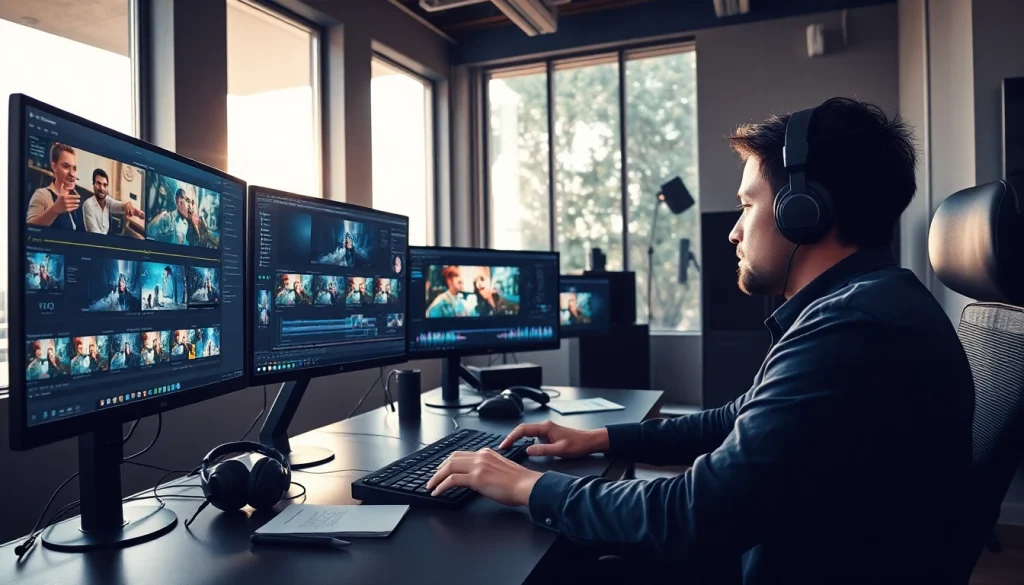
Understanding the Role of Professional Video Editors
In an era where digital storytelling through video content has surged, the significance of professional video editors cannot be overstated. These skilled artisans sculpt raw footage into visually compelling narratives, enhancing storytelling through a blend of creativity and technical expertise. Understanding their role is crucial for anyone looking to produce high-quality video content, whether for personal projects, corporate branding, or social media engagement.
What Do Professional Video Editors Do?
Video editing is a multifaceted discipline that involves various stages of production. Professional video editors are responsible for interpreting and assembling recorded raw material into a finished product suitable for broadcasting. Their tasks vary based on the project but typically include:
- Reviewing Footage: Editors systematically review all captured video footage, selecting the best shots to form a coherent story.
- Editing Content: Utilizing sophisticated editing software, they cut, arrange, and manipulate video clips to create an engaging sequence that aligns with the project’s objectives.
- Sound Editing: In addition to visual editing, sound editing is vital. Editors ensure that audio tracks align with the video and may also incorporate background music and sound effects.
- Color Correction: Editors adjust the color, brightness, and contrast of the video to create a consistent look, enhance visual appeal, or convey a specific emotion.
- Collaborating with Other Professionals: Often, video editors work alongside directors, producers, and sound engineers to finalize the video, ensuring that it meets the creative vision and technical standards.
Essential Skills for Successful Video Editing
To thrive in the competitive field of video editing, professionals need a blend of technical, creative, and interpersonal skills. Key skills include:
- Proficiency in Editing Software: Familiarity with industry-standard software like Adobe Premiere Pro, Final Cut Pro, and DaVinci Resolve is essential for any video editor.
- Attention to Detail: Successful editors must have a keen eye for detail, ensuring that every cut, transition, and effect serves the narrative and aesthetic of the video.
- Creativity: The ability to think creatively allows editors to explore innovative ways of telling stories and engaging the audience.
- Time Management: Editors often work under tight deadlines, necessitating effective time management skills to complete projects efficiently.
- Problem-Solving Abilities: The editing process can present unexpected challenges, and proficient editors need to devise solutions swiftly and creatively.
Common Challenges Faced by Video Editors
Despite the rewarding nature of video editing, professionals in this field encounter various challenges, including:
- Dealing with Large Volumes of Footage: Modern projects can generate hours of raw footage, making the selection and organization process daunting.
- Balancing Quality and Speed: Editors are often required to produce high-quality work under tight deadlines, leading to potential stress and burnout.
- Staying Updated with Technology: The rapid evolution of editing software and techniques demands ongoing professional development and adaptability.
- Client Expectations: Understanding and meeting client expectations can be challenging, especially when feedback is subjective or unclear.
How to Identify Quality Professional Video Editors
Selecting the right video editor is a critical decision that can significantly impact the quality of the final product. Here are essential steps to identify high-quality professional video editors:
Evaluating Portfolios and Previous Work
A strong portfolio serves as an editor’s resume. When evaluating potential video editors, consider:
- Diversity of Projects: Review the range of projects included to assess versatility across various styles and genres.
- Quality of Work: Focus on the visual and audio quality, as well as the narrative and pacing in sample edits.
- Client Testimonials: Look for feedback from previous clients to gauge their satisfaction and the editor's professionalism.
Checking References and Client Feedback
Contacting references can yield valuable insights into an editor's work ethic and reliability. Consider asking previous clients about:
- Communication style and responsiveness.
- The ability to meet deadlines without compromising quality.
- How well the editor incorporated feedback and made revisions.
Red Flags to Look Out For
While evaluating potential hires, watch out for these red flags:
- Lack of Portfolio: An editor without samples may lack experience or skills.
- Negative Reviews: Consistent negative feedback from multiple clients could indicate issues with professionalism or quality.
- Unclear Pricing Structure: If pricing seems unusually low or is not transparent, it may lead to hidden costs or subpar results.
Cost and Budget Considerations When Hiring Video Editors
Understanding the financial aspects of hiring a professional video editor is crucial for aligning expectations and achieving your project goals.
Typical Rates for Professional Video Editors
Rates for professional video editors can vary widely based on several factors, including experience, project complexity, and location. On average:
- Entry-Level Editors: $15 to $30 per hour.
- Intermediate Editors: $30 to $60 per hour.
- Expert Editors: $60 to $150+ per hour.
Freelance platforms like Upwork and Fiverr provide a range of pricing options, allowing businesses to find budget-friendly solutions.
Understanding Different Pricing Structures
Video editors may offer various pricing structures:
- Hourly Rate: Common for projects with undefined timelines or for ongoing work.
- Fixed Price per Project: Ideal for well-defined projects with clear deliverables.
- Retainer Agreements: Useful for companies needing regular editing support.
Value vs. Cost: Making the Right Investment
While budget considerations are important, focusing solely on cost can be detrimental. Investing in a skilled professional editor often yields better results. Consider the long-term value of high-quality editing, which can greatly enhance your brand's image and audience engagement.
Working Effectively with Your Video Editor
Once you have selected a video editor, establishing a productive working relationship is key to the success of your project. Here’s how to work effectively with your editor:
Setting Clear Expectations and Goals
Before beginning the editing process, clearly articulate your expectations and goals:
- Define the Vision: Share your project’s purpose, target audience, and desired tone to guide the editor's creative decisions.
- Discuss Deliverables: Specify what you'll need—timeline, length, and format of the final product.
- Budget Considerations: Discuss budget constraints openly to avoid misunderstandings later.
Using Collaborative Tools for Enhanced Communication
Effective communication is crucial in the editing process. Utilize collaborative tools to streamline communication:
- Project Management Software: Tools like Trello or Asana can help keep everyone aligned on tasks and timelines.
- File Sharing Platforms: Use services like Dropbox or Google Drive for easy access to footage and drafts.
- Feedback Tools: Consider using video review software that allows for time-stamped comments and discussions.
Providing Constructive Feedback for Better Results
Feedback is an essential part of the editing process. To provide constructive feedback:
- Be Specific: Instead of vague comments, identify particular segments that work or need changes.
- Encourage Dialogue: Foster an open conversation where the editor can offer insights based on their expertise.
- Focus on Solutions: If you have specific concerns, suggest potential solutions to avoid sounding overly critical.
Trends and Innovations in Video Editing
Staying current with trends in the video editing industry allows editors and content creators to leverage the best techniques for their projects.
Impact of AI and Automation on Video Editing
The rise of AI and automation is transforming how video editing is approached. AI tools can assist in:
- Automating repetitive tasks like rendering and file organization.
- Providing smart suggestions for edits based on viewing patterns and preferences.
- Enhancing audio and video quality through automated correction techniques.
While these tools boost efficiency, the human touch remains essential, especially in creative storytelling.
Emerging Styles and Techniques in Video Production
As video content evolves, so do editing styles and techniques. Currently trending are:
- Vertical Video Formats: With the rise of platforms like TikTok and Instagram, vertical editing has become more commonplace.
- Dynamic Text and Motion Graphics: Incorporating animated text and graphics enhances engagement and storytelling.
- Minimalist Editing: A trend towards simplicity, focusing on clean cuts and clear narratives without overwhelming effects.
Future-Proofing Your Video Projects
To future-proof your video projects, consider these strategies:
- Stay Informed: Regularly follow industry news and update your skills with training on new tools and techniques.
- Invest in Quality Equipment: High-quality video and audio equipment can significantly impact the final product.
- Adapt to Audience Preferences: Regularly analyze viewer feedback and watch trends to stay relevant and impactful.