
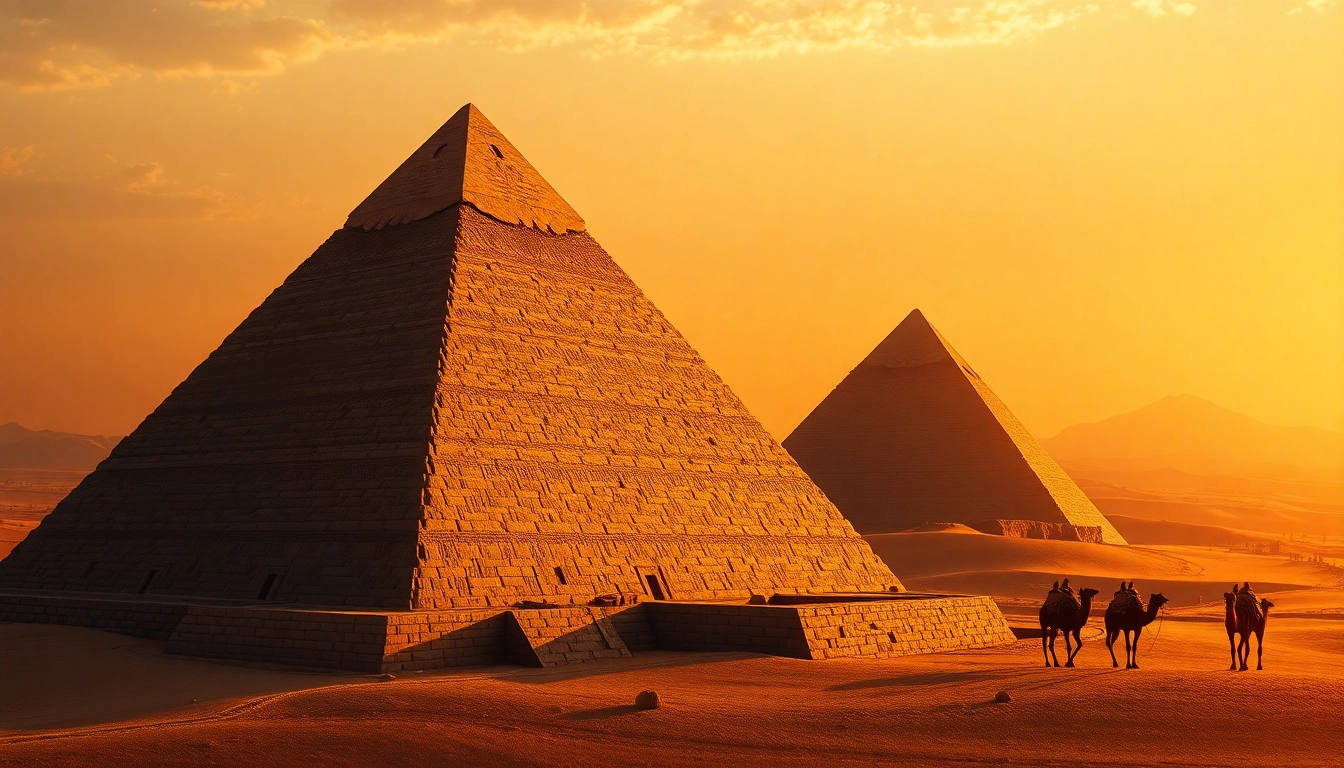
Introduction to the Egyptian Pyramids
The Egyptian pyramids stand as one of humanity’s most awe-inspiring architectural achievements, captivating the imagination of millions across the globe. These majestic structures, primarily located on the Giza Plateau near Cairo, showcase an extraordinary blend of engineering marvel, historical intrigue, and cultural symbolism. Most were constructed during the Old and Middle Kingdom periods as elaborate tombs for pharaohs and their consorts. Over 138 distinct pyramids have been identified in Egypt, each with its unique story, purpose, and architectural design. The significance of these ancient structures extends beyond their monumental size; they embody the rich tapestry of Egyptian history, religion, and society. For a comprehensive understanding of these architectural wonders, explore https://piraminds.com/.
Historical Background
The history of the Egyptian pyramids dates back to around 2670 BC, with the inception of pyramid construction during the reign of Pharaoh Djoser. His step pyramid in Saqqara marked a revolutionary approach to royal burials. Following Djoser, the design evolved, culminating in the iconic smooth-sided pyramids seen at Giza. Pharaoh Khufu’s Great Pyramid, the largest of them all, was completed around 2560 BC. Each pyramid served a dual purpose: a tomb for the deceased and a platform for the pharaoh’s journey into the afterlife, reflecting the ancient Egyptians’ profound beliefs in eternity.
Architectural Significance
The architectural brilliance of the Egyptian pyramids is undeniable. Each pyramid was crafted with staggering precision, using millions of limestone blocks, some weighing as much as 2.5 tons. The Great Pyramid stands at a remarkable height of 146.6 meters (481 feet) and was the tallest man-made structure for over 3,800 years. The complex engineering techniques used in their construction were unprecedented at the time, relying on sophisticated knowledge of astronomy, geometry, and logistics to align the pyramids with celestial bodies and cardinal directions.
The Role of Pyramids in Egyptian Culture
Pyramids played a crucial role in Ancient Egyptian culture, functioning as both religious temples and burial grounds. They were not simply tombs; they were believed to act as a conduit between the pharaoh and the gods. This connection facilitated the pharaoh’s ascent to the afterlife and ensured the continuation of their divine authority. Inside the pyramids, elaborate decorations, hieroglyphs, and burial treasures were placed to serve the pharaoh in their eternal journey. As a result, pyramids also became central symbols of power, reflecting the wealth and resources of the societies that built them.
Construction Techniques of the Pyramids
Materials Used in Pyramid Construction
The materials used for constructing the Egyptian pyramids primarily included limestone, granite, and mortar. The outer casing of the pyramids was originally designed with highly polished Tura limestone, which reflected sunlight and made the pyramids shine brightly. This outer layer has largely eroded over time, revealing the rough inner core. Granite, often sourced from Aswan, was used for the inner chambers, showcasing the use of durable materials that bolstered the grandeur and longevity of these structures.
Labor and Organization
The construction of the pyramids required an immense workforce, previously imagined to be slaves but now understood to be skilled laborers who were well-fed and housed. Workers were organized into crews and districts, ensuring that the massive logistical challenges were met efficiently. Recent archaeological discoveries have unearthed workers’ camps and evidence of organized labor, indicating a highly structured workforce capable of accomplishing monumental feats.
Innovative Engineering Solutions
The construction of the pyramids showcases remarkable engineering innovation. Techniques such as the use of ramps have been widely debated, with various hypotheses on steepness and material needed. Some researchers suggest straight or zigzagging ramps were employed to move the stones into place. The ability to transport and place heavy stones with precision demonstrates ancient Egyptians’ advanced understanding of physics and mechanics, paving the way for future architectural endeavors.
Famous Egyptian Pyramids
The Great Pyramid of Giza
The Great Pyramid of Giza is arguably the most famous of all pyramids, serving as the tomb of Pharaoh Khufu. It originally measured 146.6 meters and comprised approximately 2.3 million stone blocks. Its complex system of internal chambers includes the King’s Chamber, which houses a granite sarcophagus, and the Queen’s Chamber. The precision with which the Great Pyramid was constructed has led many to marvel at ancient Egyptian engineering capabilities, making it a defining symbol of ancient civilization.
Pyramid of Khafre
Located adjacent to the Great Pyramid, the Pyramid of Khafre was constructed for Pharaoh Khafre, Khufu’s son. This pyramid appears taller due to its elevated location but is actually shorter than the Great Pyramid. It is prominent not only for its size but also for its intact limestone casing at the apex, which glistens in the sunlight. Khafre’s pyramid is also known for the nearby Great Sphinx, adding to its historical significance and mystery.
Pyramid of Menkaure
The smallest of the three primary pyramids at Giza, the Pyramid of Menkaure, was built for Pharaoh Menkaure. Standing at just 65 meters, it showcases a unique blend of granite and limestone, setting it apart visually from its larger counterparts. Despite its size, the Pyramid of Menkaure is notable for the grandeur of its accompanying mortuary temple, further enhancing its archaeological significance.
Giza Plateau and Its Importance
Location and Layout
The Giza Plateau is a UNESCO World Heritage site and home to the three most famous pyramids. The site’s strategic placement near the Nile River facilitated transportation and logistics for the construction efforts. Each pyramid is surrounded by a complex of smaller structures, including temples and burial chambers, creating a vast necropolis that served the royal family. This layout not only served practical purposes but also had deep symbolic meanings tied to ancient Egyptian cosmology.
Archaeological Findings
The Giza Plateau is continuously yielding archaeological discoveries. Excavations have uncovered artifacts, burial shafts, and evidence of the labor forces behind the pyramids. Notably, workers’ villages have been found, providing insight into the lives of those who built these ancient structures. Recent technological advancements, such as ground-penetrating radar, have allowed researchers to locate undiscovered chambers and further enhance our understanding of this historic site.
Tourism and Preservation Efforts
Tourism at the Giza Plateau has surged over the decades, drawing millions eager to witness the grandeur of the pyramids. This influx has sparked initiatives for conservation and sustainability. Authorities are implementing strict regulations and educational programs to mitigate environmental impacts while ensuring the preservation of this iconic heritage site for future generations. The collaboration between archaeological teams, local governments, and international organizations underscores the global importance of heritage conservation.
Mythology and Symbolism of the Pyramids
Pyramid Symbolism in Ancient Egypt
Pyramids are deeply intertwined with ancient Egyptian mythology and symbolism. Their shape, reminiscent of rays of sunlight, symbolizes the sun god Ra and represents the connection between the heavens and the earth. This symbolism made pyramids not just tombs but cosmic gateways, reinforcing the pharaoh’s role as a mediator between the divine and earthly realms.
The Afterlife Beliefs
The afterlife held paramount importance in ancient Egyptian belief systems. Pyramids were designed as eternal resting places for pharaohs, ensuring their safe passage into the afterlife. The internal chambers contained items necessary for survival and comfort in the next world. Texts like the Pyramid Texts, inscribed on the walls, served to guide the deceased pharaoh in their journey, reinforcing the intricate connection between life and death in ancient Egypt.
Cultural Representations in Modern Media
The fascination with pyramids has transcended time and influenced modern media, from literature and films to video games. Iconic representations often portray them as symbols of mystery and ancient wisdom. This cultural significance resonates in popular narratives, fostering continued interest and exploration of Egyptian history, ultimately keeping the legacy of the pyramids alive in contemporary society.
Frequently Asked Questions (FAQs)
1. Why were the Egyptian pyramids built?
The Egyptian pyramids were primarily built as tombs for pharaohs and their consorts, reflecting their beliefs about the afterlife and the divine’s role in mortality.
2. How many pyramids are in Egypt?
At least 138 identified pyramids have been discovered in Egypt, each with unique features and historical significance.
3. What materials were used to build the pyramids?
The primary materials included limestone, granite, and mortar, with polished Tura limestone used for the outer casing to reflect sunlight.
4. How did the ancient Egyptians transport the stone blocks?
Ancient Egyptians utilized a combination of sledges, manpower, and innovative techniques, including wetting the sand to reduce friction, to transport heavy stone blocks.
5. What is the significance of the pyramid shape?
The pyramid shape symbolizes the sun’s rays reaching earth, representing a connection between the pharaoh and the divine, essential in ancient Egyptian cosmology.