
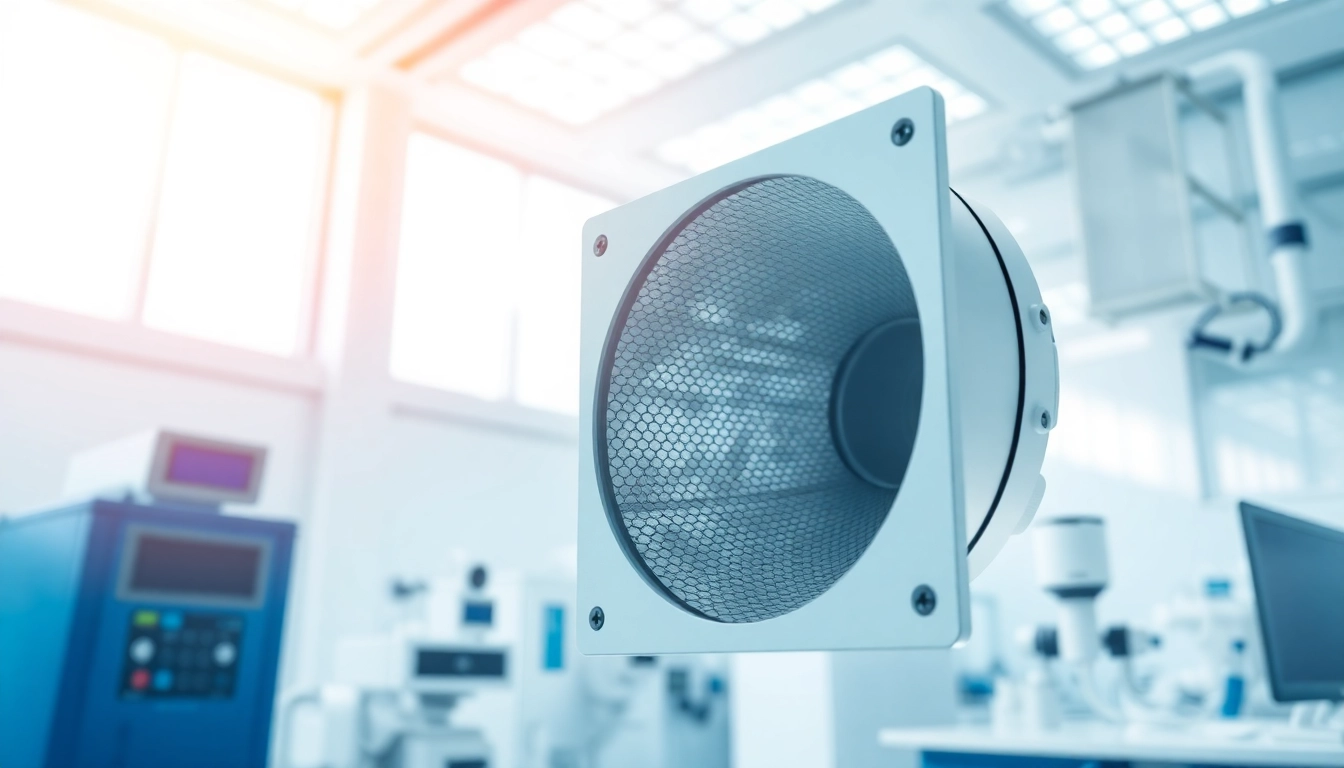
What is a HEPA Filter?
Definition and Standards
A hepa filter stands for High Efficiency Particulate Air filter. It is defined by its ability to capture at least 99.97% of particles that are 0.3 microns in size, which includes a range of harmful airborne contaminants. The HEPA standard was established in the 1950s to ensure that air purification technologies meet a minimum level of efficiency. Filters that comply with this standard are rigorously tested under specified conditions, reinforcing their reliability for both residential and industrial applications.
Efficiency Rating: MERV & HEPA
The Minimum Efficiency Reporting Value (MERV) rating system helps classify the effectiveness of air filtration systems. HEPA filters typically have a MERV rating of 17 or higher. A MERV rating can range from 1 to 16, with higher ratings indicating better particle removal capabilities. For example, standard filters may capture only larger particles like dust and pollen, whereas HEPA filters can trap even the tiniest particles, such as smoke and mold spores. The distinction is crucial, as it informs consumers about the air quality they can expect when using different types of filters.
How Does It Work?
HEPA filters operate through a combination of three mechanisms: interception, impaction, and diffusion. When air flows through the filter, larger particles are captured by impaction as they collide with the filter fibers. Smaller particles are trapped by interception as they follow air currents and brush against the fibers. Diffusion aids in capturing ultra-fine particles, as their erratic movement leads to increased collisions with the fibers. This multi-faceted approach makes HEPA filters exceptionally efficient in removing airborne pollutants.
Benefits of Using a HEPA Filter
Health Benefits for Allergy Sufferers
Individuals suffering from allergies or respiratory conditions greatly benefit from utilizing HEPA filters. By trapping allergens such as dust mites, pollen, mold spores, and pet dander, these filters substantially decrease indoor air pollutants. Existing research indicates that homes equipped with HEPA filtration systems tend to have lower levels of airborne irritants, leading to improved health outcomes for sensitive individuals. Consequently, these filters allow for a cleaner breathing environment, which is particularly beneficial during allergy seasons.
Environmental Impact and Air Quality
HEPA filters significantly contribute to achieving cleaner indoor air quality. By efficiently capturing harmful particles, they reduce overall air pollution levels and enhance the ambiance of living spaces. Improved air quality not only promotes better health for inhabitants but also supports environmentally friendly practices. Well-maintained HEPA filters help decrease reliance on more industrial pollution control methods, making them a sustainable choice for air purification.
Long-Term Cost Efficiency
Investing in a HEPA filter can also prove cost-effective in the long run. Although they may present a higher upfront cost compared to standard filters, their superior performance ensures that they need fewer replacements over time, minimizing waste and lowering ongoing expenses. Additionally, they can lead to reduced energy costs since efficient filtration lessens the burden on HVAC systems. A well-functioning HEPA filter can enhance system efficiency, prolonging equipment lifespan and generating savings on energy bills.
Applications of HEPA Filters
Home Use: Air Purifiers and HVAC
HEPA filters are widely used in residential settings, particularly in air purifiers and HVAC systems. Homeowners often integrate them into air conditioning units, furnaces, and portable purifiers to maintain a consistently healthy indoor air environment. In regions prone to allergens or pollution, these filters are indispensable for protecting occupant health, especially for homes with children or elderly residents. Many notable studies show that utilizing HEPA filters at home can lead to better respiratory health and improved quality of life.
Commercial Applications: Hospitals and Laboratories
In medical and laboratory settings, HEPA filters play a fundamental role. Hospitals utilize them in surgical rooms, patient wards, and isolation units to prevent the spread of infections and contamination. Furthermore, laboratory environments require strict air quality standards to facilitate accurate experiments, making HEPA filtration essential. The incorporation of HEPA filters within these spaces ensures compliance with health regulations and overall safety standards, safeguarding both staff and patients.
Industrial Use: Manufacturing and Heavy Equipment
Industrial applications also leverage HEPA filters for various processes. Manufacturing plants that produce products sensitive to contamination utilize these filters extensively to ensure that the air quality remains pristine. In heavy equipment, HEPA filters help protect internal mechanisms from dust and debris, extending product life and enhancing performance. By ensuring clean air flow, HEPA filters make it possible to achieve higher quality outcomes in industrial processes.
Choosing the Right HEPA Filter
Factors to Consider When Selecting
When selecting a HEPA filter, several factors come into play. First, consider the specific application, as different environments may require distinct filtration capabilities. For instance, a residential air purifier may not need the same filtration level as a hospital-grade filter. Additionally, size and compatibility with existing systems should be considered to ensure proper installation and performance. Third, check the filter’s MERV rating to verify its efficiency level and whether it meets your needs.
Common Mistakes to Avoid
One common mistake when selecting HEPA filters is overlooking compatibility with existing HVAC systems. It’s crucial to ensure that the filter fits properly to avoid leaks that can diminish filtration effectiveness. Another mistake is prioritizing cost over quality; a cheap filter may not deliver the desired air quality. Lastly, disregarding installation and maintenance requirements can lead to poor performance, as filters need regular replacements and cleaning to maintain functionality.
Expert Recommendations
Experts recommend opting for filters specifically labeled as HEPA, as not all filters claiming to be HEPA meet the separate efficiency standards. Brands with certifications from recognized institutions or laboratories are often more trustworthy. Furthermore, it’s advisable to keep track of replacement schedules to ensure optimal performance. Implementing a consistent filter maintenance plan is critical for sustaining air quality over time.
FAQs About HEPA Filters
What is the HEPA filter mainly used for?
HEPA filters are mainly used for removing allergens and airborne particles from indoor air, helping to improve overall air quality in homes, hospitals, and industrial spaces.
How often should you change a HEPA filter?
Typically, HEPA filters should be changed every 6 to 12 months, depending on usage and air quality conditions. Regular replacements ensure optimal performance and air purification effectiveness.
Can a HEPA filter remove viruses?
Yes, HEPA filters can capture viruses, particularly those in droplet form. They are effective at trapping particles as small as 0.3 microns, which includes some viral pathogens.
Are all HEPA filters the same?
No, not all HEPA filters are created equal. Standards and ratings can vary. Look for certified HEPA filters that adhere to minimum efficiency standards to ensure reliable performance.
What does MERV rating mean for HEPA filters?
MERV (Minimum Efficiency Reporting Value) indicates the filtration efficiency of air filters. HEPA filters generally carry a MERV rating of 17 or above, designating their high filtration capabilities.