
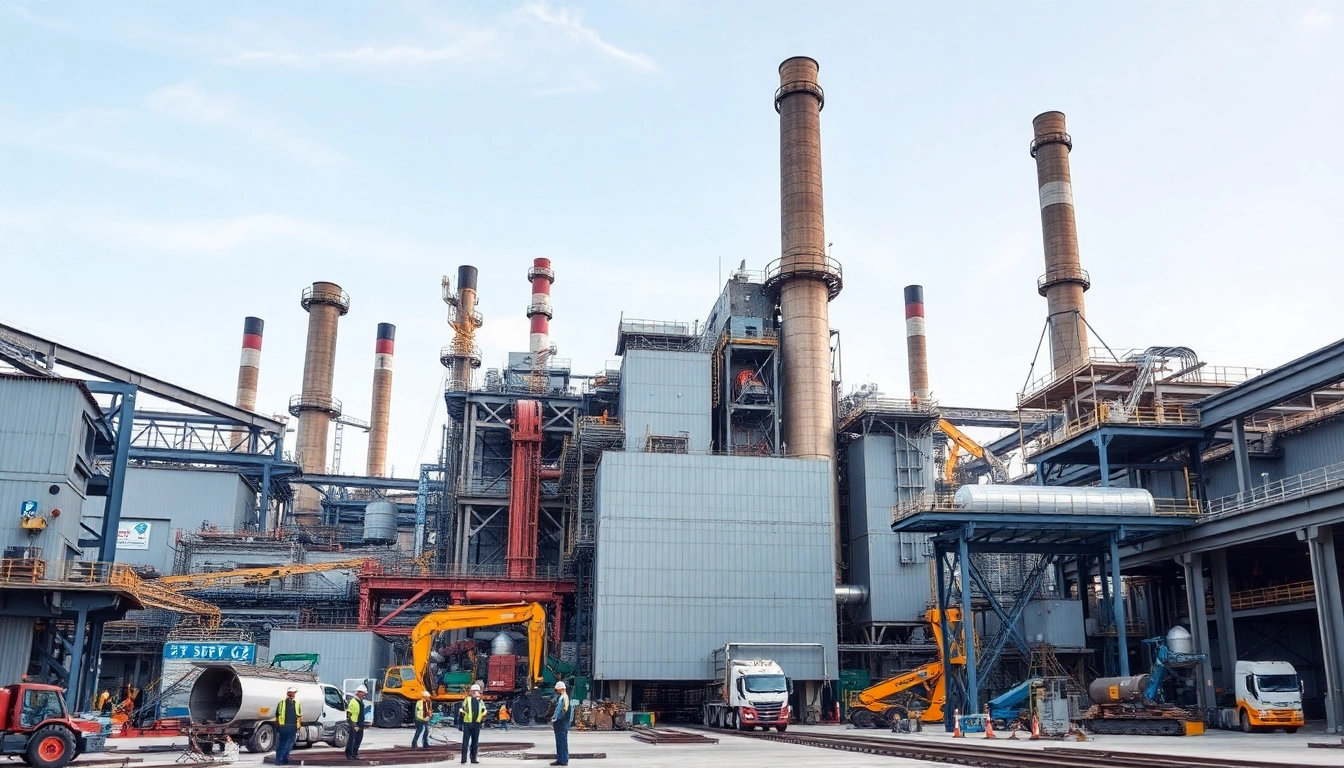
What is a Modern Steel Mill?
Definition and Purpose
A modern steel mill is a facility dedicated to the production of steel by employing advanced technologies and processes. The primary purpose of these mills is to convert raw materials such as iron ore, scrap metal, and pig iron into usable steel products. Modern steel mills play a crucial role in meeting the demands of various industries, ranging from construction and automotive to aerospace and energy. Their operations are streamlined for efficiency, quality, and sustainability, often leveraging innovative technologies to improve production processes.
Types of Steel Mills
There are several types of steel mills operating today, each with distinct processes and functions:
- Integrated Steel Mills: These mills convert iron ore into steel using blast furnaces and other equipment, producing large quantities of a wide range of steel products.
- Mini Mills: Smaller facilities that primarily recycle scrap steel to produce new steel products using electric arc furnaces (EAFs). Mini mills have become increasingly popular due to their lower investment costs and environmental footprint.
- Specialty Steel Mills: These focus on producing specific types of steel, such as alloy steels or high-strength steels, catering to niche markets with specific requirements.
- Re-roller Mills: These mills take semi-finished products and reprocess them into finished steel. They operate at a smaller scale compared to integrated mills but are important for regional supply.
Importance in Industry
Modern steel mills are fundamental to numerous industries, serving as a backbone for the global economy. They provide essential materials for infrastructure projects, such as bridges, buildings, and roads; automotive manufacturing; and various machinery. Steel’s versatility, strength, and recyclability make it a preferred material in many applications. The innovation and sustainability efforts in modern steel mills contribute to reducing carbon emissions and promoting a circular economy, highlighting their importance in today’s environmentally conscious market.
Key Processes in a Modern Steel Mill
Steel Production Methods
The production of steel involves several key methods, each suited to different types of raw materials and desired output. The most common methods include:
- Blast Furnace Method: Used primarily by integrated steel mills, this traditional method involves smelting iron ore with coke and limestone in a blast furnace to produce pig iron, which is then converted to steel.
- Electric Arc Furnace (EAF) Method: This modern method uses electric arcs to melt scrap steel or direct-reduced iron. EAFs are more energy-efficient and allow for quicker production cycles.
- Open Hearth Process: Though less common today, this method was historically significant for producing steel. It has largely been replaced by more efficient techniques but is notable for its impact on steel production history.
Technology in Steel Manufacturing
Modern steel mills utilize cutting-edge technologies to optimize their processes and ensure product quality:
- Automation: Automated systems control processes in real-time, leading to increased efficiency, reduced human error, and enhanced safety.
- Data Analytics: Mills leverage big data to monitor operations, predict maintenance needs, and optimize production schedules, resulting in higher uptime and lower costs.
- Advanced Materials: Ongoing research is focused on developing new steel alloys and materials that improve performance while reducing weight, enhancing strength, and driving sustainability.
- Smart Manufacturing: The Internet of Things (IoT) is increasingly utilized to connect equipment, collect data, and drive improvements through machine learning algorithms.
Quality Control Procedures
Ensuring the quality of steel products is critical to maintaining industry standards and customer satisfaction. Modern steel mills implement rigorous quality control procedures, including:
- Material Testing: Incoming materials are tested for composition and quality before they enter the production process.
- In-Process Monitoring: Parameters such as temperature, chemical composition, and mechanical properties are continuously monitored during production.
- Final Inspection: Finished products undergo comprehensive testing and inspection for strength, ductility, and surface quality to ensure they meet stringent specifications.
Environmental Impact of Modern Steel Mills
Sustainability Practices
As global awareness of environmental issues increases, modern steel mills recognize the importance of adopting sustainability practices. These initiatives include:
- Energy Efficiency: Mills invest in energy-efficient technologies to lower energy consumption and reduce greenhouse gas emissions.
- Carbon Capture Technologies: Innovative methods are being developed to capture CO2 emissions during production, preventing them from entering the atmosphere.
- Responsible Sourcing: Mills are actively moving to source materials sustainably, including using recycled content whenever possible and ensuring that suppliers adhere to environmental standards.
Regulatory Compliance
Steel mills must navigate a complex landscape of environmental regulations designed to limit pollution and protect ecosystems. Compliance with regulations requires dedicated resources and proactive strategies, such as:
- Emissions Monitoring: Regular monitoring of emissions to comply with local and international standards is crucial for operational integrity and community trust.
- Waste Management: Implementing robust waste reduction and recycling programs helps minimize the environmental footprint of steel production.
- Reporting and Certification: Successful mills often seek certifications, such as ISO 14001, to demonstrate their commitment to sustainable practices and regulatory compliance.
Recycling in Steel Production
Recycling plays an essential role in modern steel production. Steel is one of the most recycled materials globally, and its recyclability contributes significantly to sustainability:
- Scrap Steel Utilization: Modern steel mills utilize recycled scrap, which saves energy and raw materials. For instance, producing steel from scrap requires 75% less energy than using iron ore.
- Closed-Loop Recycling: Many mills establish closed-loop systems where waste generated from one production stage is reused in another, minimizing waste and environmental impact.
- Improvement of Recycling Technologies: Advances in recycling technologies allow mills to recover more materials from the production process and enhance overall efficiency.
Challenges Facing Modern Steel Mills
Market Competition
The steel industry faces intense market competition, driven by factors like globalization, fluctuating demand, and price volatility. To remain competitive, modern steel mills must:
- Differentiation: Develop unique steel products tailored to specific customer needs to stand out in the market.
- Cost Management: Optimize operational processes to reduce costs while maintaining quality and reliability.
- Strategic Partnerships: Collaborate with suppliers and customers to create value-rich relationships and enhance market positioning.
Resource Management
Effective resource management is vital for modern steel mills. Key challenges include:
- Raw Material Availability: Fluctuations in the availability and cost of raw materials can drastically affect production costs. Diversifying suppliers and sourcing strategies can mitigate risks.
- Energy Costs: Rising energy prices can significantly impact operational costs. Investing in renewable energy sources and optimizing energy usage can provide relief.
- Human Resources: Attracting and retaining skilled labor is essential in a technology-driven industry. Ongoing training and development programs help maintain a skilled workforce.
Technological Adaptation
To thrive, modern steel mills must adapt to rapid technological changes. Challenges include:
- Investment in Technology: Maintaining up-to-date machinery and advanced technologies requires significant investment. A phased approach can help manage costs while improving efficiency.
- Resistance to Change: Shifting to new technologies can face pushback from staff accustomed to traditional methods. Engaging employees through training and transparent communication can facilitate smoother transitions.
- Data Security: With increasing reliance on digital technologies, safeguarding sensitive data against cyber threats is paramount. Implementing robust cybersecurity measures is critical.
The Future of Modern Steel Mills
Emerging Technologies
The future of modern steel mills lies in the adoption of innovative technologies that enhance production and sustainability. Key trends to watch include:
- Additive Manufacturing: 3D printing is gaining traction in producing complex steel components, allowing for reductions in waste and material usage.
- Artificial Intelligence: AI can optimize operational efficiency, improve predictive maintenance, and streamline supply chain management.
- Hydrogen-Based Steelmaking: Emerging technologies leverage hydrogen as a reducing agent in steel production, promising lower carbon emissions compared to traditional methods.
Market Trends
Several market trends will shape the future landscape of steel production, including:
- Increased Demand for Sustainable Products: As consumers and industries prioritize sustainability, the demand for eco-friendly steel will rise.
- Global Supply Chain Dynamics: The ongoing globalization of trade can lead to shifts in manufacturing locations and demand patterns.
- Digital Transformation: The integration of digital technologies in processes and supply chains will become a standard practice, shaping customer interactions and operational approaches.
Investment Opportunities
Investors looking to enter the steel industry should consider various opportunities, such as:
- Green Steel Initiatives: Investing in companies focused on sustainable production methods can yield long-term benefits in a market that prioritizes eco-friendly practices.
- Emerging Technologies: Funding advancements in automation, AI, and energy efficiency can position investors favorably as these technologies gain traction.
- Local Manufacturing: With supply chains being re-evaluated, local steel production facilities may gain prominence, presenting investment opportunities in regions with high demand.
Frequently Asked Questions
What materials are used in modern steel mills?
Modern steel mills primarily use iron ore, scrap steel, and pig iron. Other alloys and additives may be introduced to achieve specific properties.
How does recycling impact steel production?
Recycling significantly reduces energy consumption and raw material needs. Utilizing scrap steel saves about 75% of the energy required to produce steel from iron ore.
What are the environmental benefits of modern steel mills?
Modern steel mills implement sustainable practices that lower carbon emissions, enhance energy efficiency, and promote responsible sourcing of materials.
What challenges do modern steel mills face?
Challenges include market competition, resource management, and technological adaptation. Mills must innovate while maintaining cost efficiency.
What is the future of steel production?
The future includes advancements in technologies like AI, hydrogen-based production, and increased demand for sustainable steel products, shaping market dynamics.