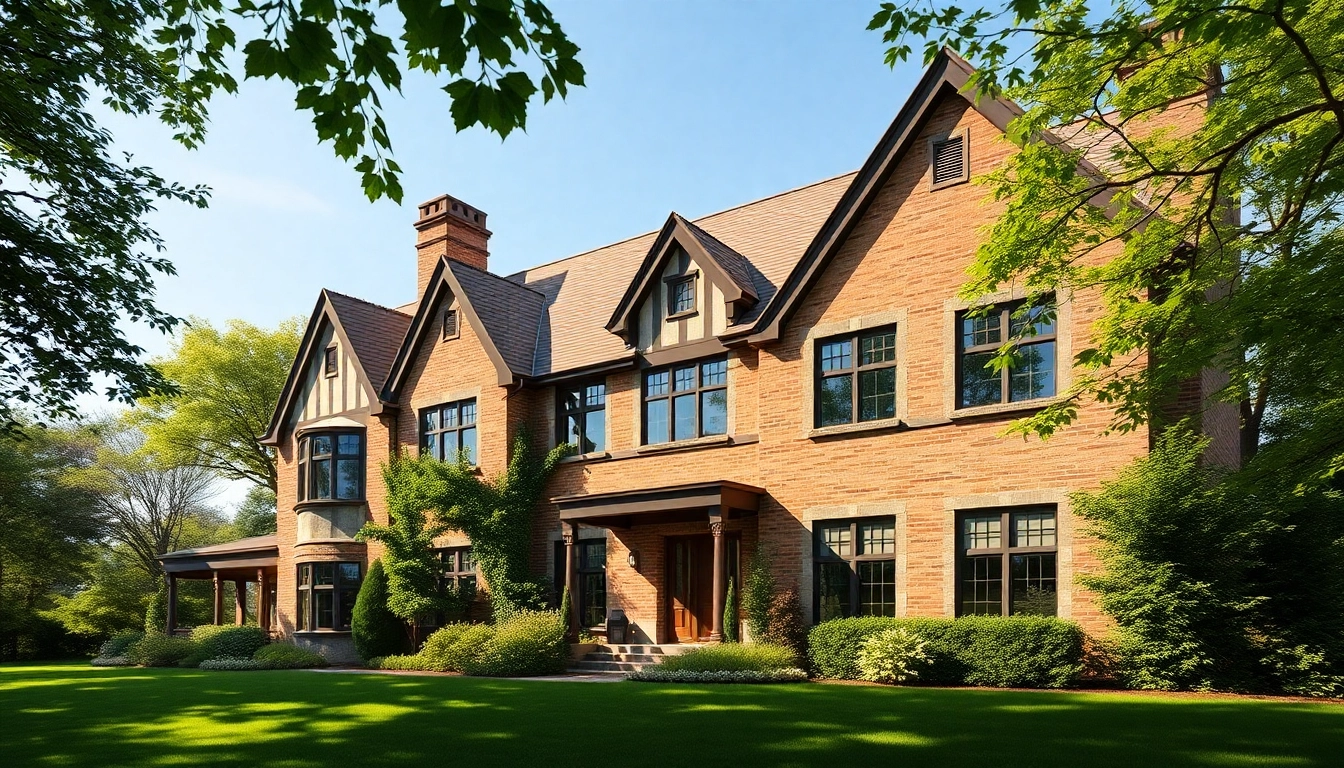
Overview of Wellesley Tudor Expansion
The Wellesley Tudor Expansion represents an intricate fusion of traditional architectural aesthetics with modern functionality. This design approach not only enhances the living space but also preserves the timeless elegance characteristic of Tudor architecture. The expansion aims to cater to contemporary lifestyle needs while maintaining the classic elements that define this style, offering a reflection of both historical significance and forward-thinking design.
Defining Characteristics
Tudor architectural style, rooted in medieval England, is recognized for its steeply pitched gable roofs, decorative half-timbering, and asymmetrical facades. The Wellesley Tudor Expansion captures these defining characteristics, integrating them seamlessly into the modern context. This approach emphasizes the use of brick and stone, along with intricate woodwork, which not only enhances visual appeal but also contributes structurally to the home. Large windows framed with decorative elements allow natural light to flood the interiors, creating warm, inviting spaces that embody classic Tudor charm.
Historical Context
The Tudor revival began in the late 19th century and continues to be celebrated for its unique style that blends nostalgia with modern comforts. The Wellesley Tudor Expansion acknowledges this heritage by honoring traditional techniques, such as masonry and detailed wood craftsmanship, ensuring that the addition feels like a natural extension of the original structure. This design not only pays homage to the past but also adapts Tudor elements for contemporary living, providing insights into how historical context can inform modern architectural practices.
Importance in Modern Architecture
Understanding the significance of the Wellesley Tudor Expansion in modern architecture requires an appreciation for its versatility. By incorporating Tudor features into contemporary homes, architects can offer solutions that resonate with homeowners longing for character-rich designs. Such expansions address broader design trends, such as sustainability and energy efficiency, by blending traditional aesthetics with cutting-edge technology and materials. This hybrid approach enables a new generation of homebuyers to appreciate historical styles without sacrificing modern conveniences.
Key Architectural Elements
Materials Used in Wellesley Tudor Expansion
Materials play a crucial role in the aesthetic and structural integrity of the Wellesley Tudor Expansion. Commonly used materials include:
- Brick and Stone: These provide durability and a classic look, essential to maintaining the Tudor essence.
- Timber: Exposed beams and half-timbering are signature features that add character and warmth.
- Slate Roofs: They enhance the classic gable design while offering durability against weather conditions.
The careful selection of these materials ensures that the new structures harmonize with their surroundings while respecting the Tudor style’s rich history.
Design Features to Note
Key design features in the Wellesley Tudor Expansion include:
- Asymmetrical Facades: These add visual interest and break the monotony typical of modern architectural designs.
- Leaded Glass Windows: These historical elements not only provide beauty but also invoke the Tudor charm.
- Intricate Roof Lines: High-pitched roofs create spacious interiors and impressive curb appeal.
These features contribute to an overarching thematic unity, allowing the expansion to feel interconnected with existing structures while making a bold architectural statement.
Landscaping Integration
Landscaping plays a pivotal role in the overall aesthetic of the Wellesley Tudor Expansion. A well-planned outdoor space complements the architecture, enhancing the home’s curb appeal. Key landscaping strategies include:
- Native Plantings: Choosing local flora not only supports the ecosystem but also reduces maintenance efforts.
- Cohesive Walkways: Pathways that guide visitors through the property can echo architectural lines of the home.
- Outdoor Living Spaces: Incorporating patios or outdoor kitchens extends the living area, fostering connections with nature.
Integrating landscaping with the Wellesley Tudor Expansion creates a harmonious environment that amplifies the home’s presence within its landscape.
Benefits of the Wellesley Tudor Expansion
Enhanced Living Space
An expansion directly translates to more living space, allowing for greater functionality. Homeowners can incorporate modern amenities into their expansions while preserving classic aesthetics. Larger living rooms, added bedrooms, and multi-function areas become possible, catering to family needs without compromising design integrity.
Increased Property Value
Investing in a Wellesley Tudor Expansion can significantly increase property value. By enhancing architectural appeal and functionality, these additions attract potential buyers. Properties that seamlessly blend traditional styles with modern amenities tend to command higher prices within the housing market, ensuring a solid return on investment.
Energy Efficiency Considerations
Incorporating energy-efficient systems and sustainable materials into the Wellesley Tudor Expansion promotes environmental responsibility. This includes energy-efficient windows, high-quality insulation, and smart home technology that can reduce energy consumption. By minimizing energy costs, homeowners not only enhance their living experience but also contribute positively to the environment.
Designing Your Wellesley Tudor Expansion
Choosing the Right Professionals
Choosing the right architects and contractors is crucial for a successful Wellesley Tudor Expansion. Look for professionals experienced in blending modern construction techniques with traditional aesthetics. Seek references and check portfolios to ensure they understand the subtleties of Tudor style and can execute your vision effectively.
Planning and Budgeting Tips
Effective planning and budgeting can prevent unforeseen challenges during the Wellesley Tudor Expansion process. Key strategies include:
- Establishing a comprehensive budget that takes into account materials, labor, and contingencies.
- Developing a clear plan that outlines timelines and milestones for construction phases.
- Consulting with professionals early in the process to prepare for potential issues.
Creating a structured plan not only ensures smooth execution but also helps manage costs and expectations.
Common Mistakes to Avoid
To ensure the success of your Wellesley Tudor Expansion, be aware of common pitfalls such as:
- Neglecting local regulations or homeowners' association guidelines.
- Overlooking the importance of cohesive design throughout the home.
- Rushing the planning phase without thorough research or consultation.
Avoiding these mistakes can streamline the expansion process, allowing for a beautiful outcome that enhances your home.
FAQs about Wellesley Tudor Expansion
What is a Tudor style home?
A Tudor style home is characterized by its steep gabled roofs, decorative half-timbering, and ornate brick or stonework, evoking medieval European architecture.
How can I incorporate the Wellesley Tudor Expansion style?
You can incorporate the Wellesley Tudor Expansion style by using traditional materials, maintaining asymmetrical forms, and including classic design features like leaded windows.
What are the cost factors?
Cost factors for a Wellesley Tudor Expansion can include materials, labor, design fees, and permits, which vary based on scope and location of the project.
Is the Wellesley Tudor Expansion energy-efficient?
Yes, the Wellesley Tudor Expansion can be designed with energy efficiency in mind through the use of sustainable materials, energy-efficient windows, and modern heating systems.
How do I maintain a Wellesley Tudor style?
To maintain a Wellesley Tudor style, regular upkeep of the exterior materials, careful attention to renovations, and preserving architectural details are essential.