Understanding Vintage Fashion
The History and Evolution of Vintage Styles
Vintage fashion encapsulates a rich tapestry of history, reflecting cultural changes, technological advancements, and societal trends over various decades. The term "vintage" generally refers to clothing and accessories that are at least 20 years old but are not yet considered antique, which typically denotes items over 100 years old.
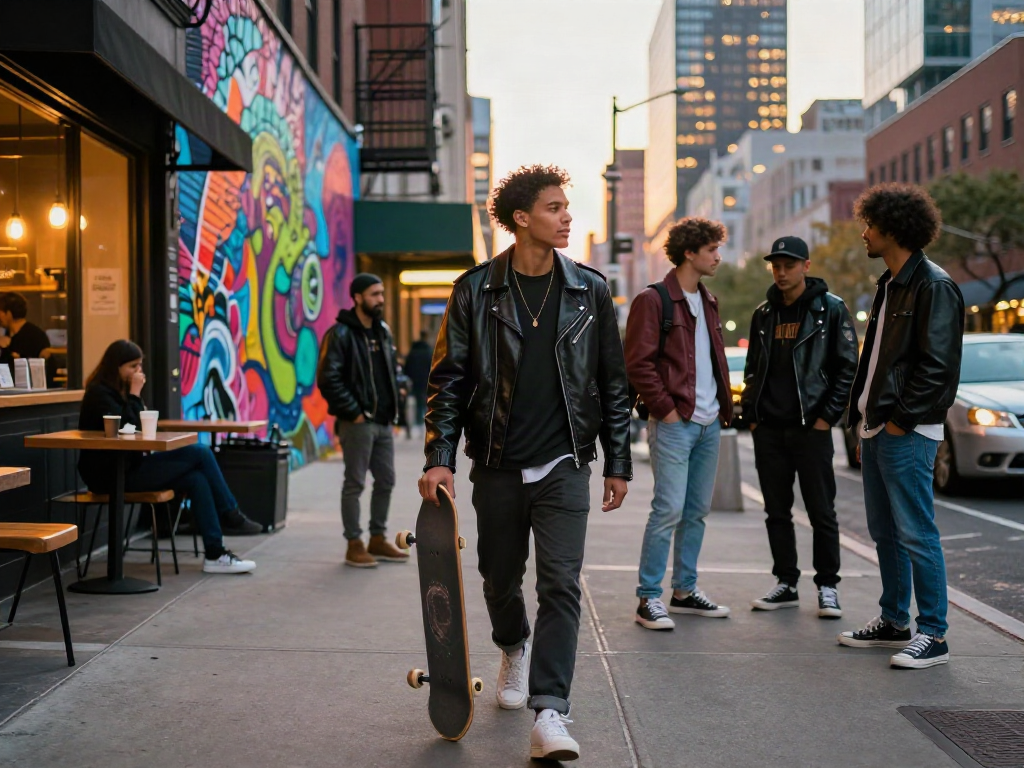
The evolution of vintage styles can be traced back to significant historical moments. For instance, the flapper dresses of the 1920s symbolized women's newfound freedom during the post-World War I era. In the 1950s, the rise of the teenage subculture led to rockabilly fashion, characterized by denim, leather jackets, and swing dresses. By the 1970s, fashion embraced a more eclectic and bohemian style, drawing inspiration from past eras as well as global influences.
Understanding the rich context behind these garments not only enhances appreciation but also aids in making informed choices as one ventures into the world of thrift and vintage shopping.
Defining Vintage vs. Thrifted Clothing
While the terms "vintage" and "thrifted" are often used interchangeably, they have distinct meanings that every fashion enthusiast should know. Vintage clothing refers to specific pieces that have historical significance, typically made in earlier decades, often seen as collectible due to their rarity and craftsmanship. Thrifted clothing, on the other hand, may refer to any secondhand items, regardless of their age or style.
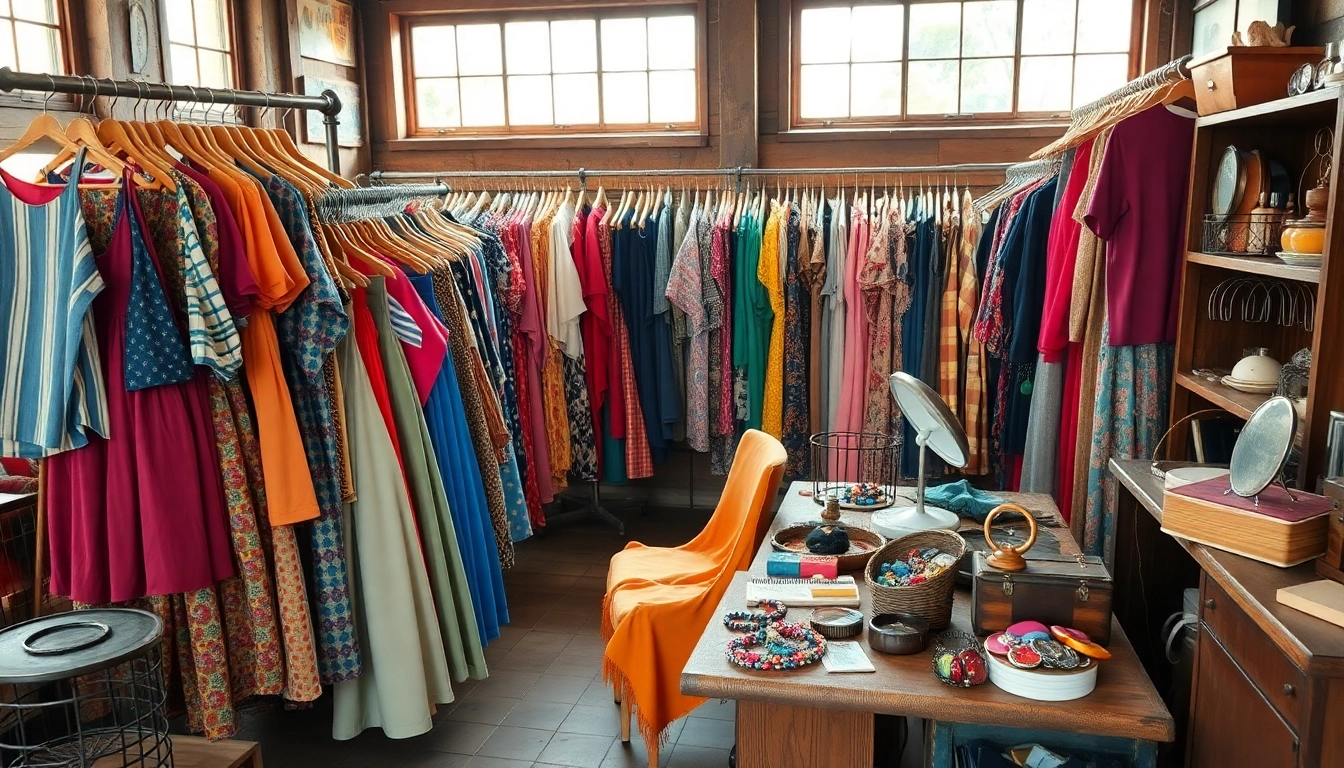
The marketplace for thrifted items has exploded, with many individuals finding joy in the hunt for bargains, repurposing, and sustainability. Thrift shops offer contemporary pieces alongside vintage items, often creating a potpourri of styles attractively displayed and ready for discovery.
Current Trends in Vintage Fashion
As we advance into a new era of style, vintage fashion remains at the forefront of contemporary trends. Sustainability has emerged as a driving force, pushing consumers to seek vintage options as a viable alternative to fast fashion. The ongoing embrace of retro aesthetics can be seen on runways and in stores, where 90s and Y2K styles have made resounding comebacks.
In addition, social media platforms have propelled vintage fashion into the limelight. Influencers and everyday fashionistas alike showcase their unique styles, celebrating individuality while promoting sustainable practices. The resurgence of casual and relaxed styles, driven in part by remote work culture, aligns seamlessly with vintage fashions rooted in comfort and self-expression.
How to Shop at https://thrift-vintage.com
Creating a Vintage Shopping List
Embarking on a journey through vintage shopping can be exhilarating yet overwhelming, given the vast array of options available. To streamline the process, consider creating a vintage shopping list tailored to your style and needs. Start by evaluating your wardrobe and identifying any gaps or pieces you'd like to enhance. Are you looking for staple items, statement pieces, or accessories?
Your list could include specific styles, color palettes, or patterns. By defining your desires, you’ll have a clear direction during your shopping excursions, whether browsing online or combing through local thrift shops. Plus, it can save you from impulse buys that do not align with your style or needs.
Navigating Online Vintage Stores
Shopping online for vintage clothing, particularly at platforms like https://thrift-vintage.com, can offer a curated selection of items that may not be available locally. Familiarizing yourself with the layout of the website can enhance your experience. Sections are often categorized by item type, era, or style, enabling easy navigation.
Employ search filters for size, color, price range, and condition. Ensure you read item descriptions carefully to assess quality and authenticity. Many online sellers also provide care instructions and styling suggestions, which can aid in decision-making.
Identifying Quality Vintage Pieces
Recognizing quality vintage pieces can make all the difference in your collection. Look for well-constructed garments featuring high-quality fabrics and craftsmanship. Key indicators of quality include even stitching, lack of fraying, and attention to detail in design.
Familiarize yourself with designer labels and their era-specific characteristics, as this knowledge can enhance your shopping prowess. Online resources, books, and even vintage fairs offer insights into identifying true vintage items versus modern reproductions. The thrill of uncovering a hidden gem is unparalleled, enhancing both your collection and your wardrobe.
Sustainable Benefits of Shopping Vintage
Reducing Fashion Waste
Shopping vintage plays a crucial role in combating the growing issue of fashion waste. The fast fashion industry generates immense waste, contributing to pollution and landfill overflow. By choosing vintage, consumers advocate for sustainability, repurposing existing garments instead of contributing to overproduction.
It's estimated that for every one pound of fabric created, around 16 pounds of carbon dioxide is emitted. More sustainable options like vintage significantly reduce these figures, allowing you to contribute positively to the environment with your purchasing choices.
Supporting Local Economies
When you shop vintage, particularly at thrift stores, you are often supporting local communities. Many vintage shops are small, independently owned businesses that rely on the patronage of individuals who appreciate their unique offerings. This support fosters community involvement and economic growth, enabling small business owners to thrive in a challenging retail environment.
Additionally, many thrift stores generate profits that are reinvested into the community through various initiatives, further underscoring the positive impact of your vintage shopping choices.
Embracing Unique Personal Style
One of the most rewarding aspects of vintage shopping is the opportunity to cultivate a unique personal style. Vintage pieces often tell a story, allowing individuals to express themselves in ways that mainstream fashion cannot. Mixing and matching vintage finds with contemporary clothing can lead to unexpected combinations that reflect personal taste and creativity.
The beauty of vintage fashion lies in the distinctive designs, colors, and materials that influence individuality. Wearing something that not only looks good but also has a history creates a deeper connection with your wardrobe, elevating your fashion experience beyond the surface.
Tips for Maintaining Vintage Garments
Care Instructions for Different Fabrics
Proper care is essential for prolonging the life of vintage garments. Each fabric type has specific needs, and understanding these can enhance longevity and preserve quality. Natural fibers such as cotton, wool, and silk require special attention.
For delicate fabrics, consider hand-washing rather than machine-washing to avoid damaging textiles. When in doubt, always consult a professional cleaner experienced with vintage clothing. Store garments in breathable bags or boxes to prevent mold and degradation while avoiding weight on unique embellishments that can cause distortion.
Repairing and Upcycling Vintage Clothing
When vintage clothing starts to show signs of wear, it doesn’t necessarily mean it should be discarded. Small repairs can breathe new life into beloved pieces. Learning basic sewing skills, such as patching, hemming, or reattaching buttons can empower you to take on simple repairs.
For more extensive damage, consider upcycling—transforming an old piece into something new and functional. Upcycling can include turning oversized dresses into skirts or creating a patchwork jacket from various fabric remnants, allowing your creativity to shine while reducing waste.
Storing Vintage Pieces to Ensure Longevity
Storage is another critical aspect of preserving vintage clothing. Proper storage conditions should include a cool, dry place away from direct sunlight. Utilize padded hangers for lightweight fabrics, and for thicker garments or knitwear, opt for flat storage to maintain shape.
For long-term storage, consider using acid-free tissue paper to prevent creasing and yellowing, and avoid plastic bags containing PVC, which can emit harmful gases over time. Protecting your investment in vintage pieces ensures they remain in excellent condition for future enjoyment.
Community and Culture of Vintage Shopping
Joining Vintage Communities Online
As the appreciation for vintage fashion grows, so too does the online community surrounding it. Forums, social media groups, and websites dedicated to vintage enthusiasts offer platforms for connecting with others who share your passion. Participating in these communities can offer invaluable insights into shopping tips, restoration techniques, and styling advice.
Many of these platforms host challenges, vintage shows, and discussions revolving around trends and personal experiences, allowing for a rich exchange of ideas and methods to make the most out of your vintage journey.
Connecting with Local Thrift Events
Staying engaged with local thrift events, such as fashion swaps, flea markets, or thrift pop-ups, not only enhances your shopping experience but also fosters community interaction. These events often bring together individuals with a shared interest in vintage fashion, allowing you to connect with like-minded enthusiasts and local sellers.
Participating in such events can also lead to discovering one-of-a-kind pieces that may not be found online or in stores, further enhancing your collection while providing a unique shopping environment.
Sharing Your Vintage Style Journey
Documenting and sharing your vintage style journey can be a fulfilling way to engage with the fashion community and inspire others. Social media platforms like Instagram or TikTok are avenues through which you can showcase your outfits, techniques for styling vintage pieces, or even the stories behind your favorite finds.
Creating a blog or vlog dedicated to your vintage adventures can also establish a platform for deeper discussions about vintage culture, sustainability, and individual expression through fashion. By sharing your passion, you contribute to a broader movement advocating for sustainable fashion and the importance of vintage shopping.