
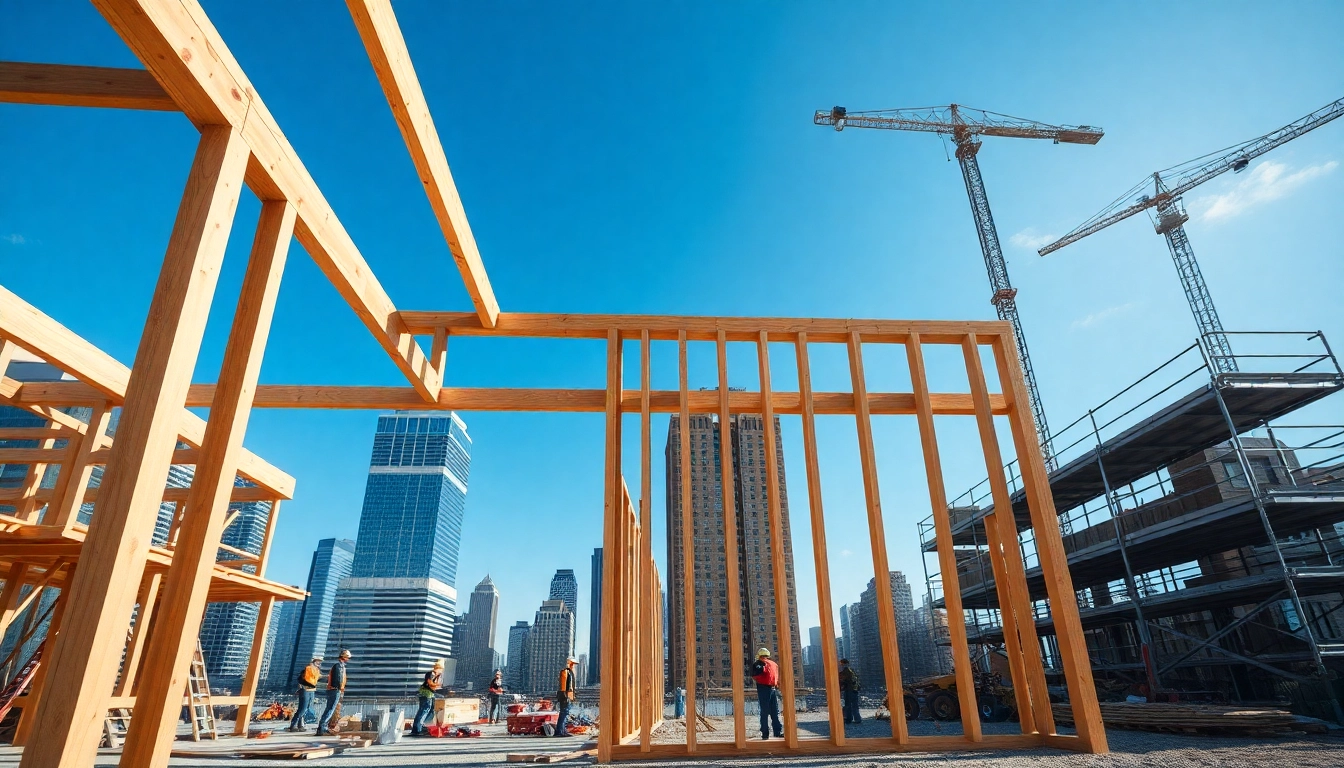
Understanding the Role of a New Jersey Commercial General Contractor
In the bustling construction landscape of New Jersey, commercial general contractors play a crucial role in transforming visions into tangible structures. These professionals serve as the backbone of any construction project, overseeing every detail from initial planning to final execution. For those considering a construction project in New Jersey, understanding the function of a New Jersey Commercial General Contractor is vital to ensuring project success.
What Services Do They Provide?
A New Jersey commercial general contractor offers a wide range of services essential for the successful completion of construction projects. These services typically include:
- Project Management: Coordinating all aspects of the construction project, ensuring that everything runs smoothly and adheres to the planned timeline.
- Budgeting and Cost Estimation: Preparing thorough budgets, including labor, materials, and other expenses to ensure financial feasibility.
- Subcontractor Coordination: Hiring and managing subcontractors, specifically laborers and specialists required for specific tasks within the project.
- Permits and Licensing: Ensuring that all necessary permits are obtained and that work complies with local regulations and codes.
- Quality Control: Implementing processes to maintain high standards of workmanship throughout the project.
- Consultation and Design: Offering expert advice on design and layout, ensuring functionality and aesthetic appeal.
Key Responsibilities on the Job Site
The responsibilities of a New Jersey commercial general contractor on the job site include:
- Supervising Construction Activities: Overseeing daily operations, ensuring workers are performing tasks correctly and efficiently.
- Problem Solving: Addressing unexpected challenges that may arise during construction, from supply chain issues to labor shortages.
- Safety Compliance: Ensuring that all safety protocols are followed, mitigating risks to workers and the public.
- Daily Reporting: Keeping detailed logs of project progress, including tasks completed, materials used, and any delays encountered.
- Client Communication: Regularly updating clients on progress and any changes to the project scope or timeline.
Licensing and Regulations in New Jersey
In New Jersey, commercial general contractors are required to obtain specific licenses and comply with various regulations. Key points include:
- Business Registration: All contractors must register their business with the state of New Jersey.
- License Requirements: Depending on the scope of work, contractors may need a New Jersey Contractor’s License, which requires passing an exam and meeting financial responsibility standards.
- Insurance Coverage: Contractors must possess liability insurance to protect themselves and their clients from potential damages or accidents.
- Building Codes: Adherence to local building codes is essential to ensure safety and compliance throughout the construction process.
Benefits of Hiring a New Jersey Commercial General Contractor
Engaging a New Jersey commercial general contractor for your project can present numerous benefits that impact the overall success and effectiveness of the construction process.
Streamlined Project Management
One of the primary advantages of hiring a commercial general contractor is their ability to streamline project management. From coordinating various subcontractors to managing schedules, a skilled contractor ensures that everything operates smoothly. Their expertise allows for faster decision-making and resolution of any issues that might arise, minimizing downtime and keeping the project on track.
Quality Assurance and Standards
General contractors are responsible for maintaining high-quality standards throughout the project. They implement strict quality control measures and regularly conduct inspections to ensure compliance with project specifications and industry standards. This focus on quality not only protects the integrity of the construction but also enhances the project’s long-term value.
Cost-Effectiveness for Long-Term Success
Hiring a general contractor can often lead to cost savings in the long run. Their experience in budgeting and resource allocation enables them to identify potential cost overruns early in the process. Furthermore, their extensive network allows them to source materials at competitive prices, ultimately leading to reduced overall project costs.
Choosing the Right New Jersey Commercial General Contractor
Selecting the appropriate contractor is crucial for the success of your construction project. Here are some tips to ensure you find the right fit.
Evaluating Experience and Expertise
When considering a general contractor, assess their background and experience in commercial projects similar to yours. Look for contractors who specialize in the specific type of construction you are undertaking, be it office buildings, retail spaces, or multifamily residences. Experience can greatly influence the efficiency and execution of your project.
Checking References and Past Projects
Requesting references and reviewing past projects provides critical insight into a contractor’s performance. Speak to former clients about their experiences, and request examples of completed work. Investigating a contractor’s portfolio helps gauge the quality of their work and whether it aligns with your expectations.
Understanding Contract Options and Terms
Before signing a contract, ensure you fully understand the terms, conditions, and payment structure. Different contractors may offer varying contract types, such as lump-sum contracts or cost-plus contracts. Understand the implications of these options and choose one that best aligns with your project needs and risk tolerance.
Common Challenges Faced in Construction Projects
Despite careful planning, construction projects often encounter challenges that can impact timelines and budgets. Being aware of these challenges can help you prepare and mitigate risks effectively.
Budget Overruns: Causes and Solutions
Budget overruns can arise from various factors such as unexpected site conditions, fluctuations in material prices, and labor costs. To combat this issue, contractors should create detailed budgets that account for contingencies, maintain transparency with clients regarding potential risks, and regularly track project expenses against the budget.
Managing Timeline Expectations
Project delays can stem from weather conditions, supply chain disruptions, or labor shortages. Clear communication with the contractor and constant monitoring of timelines are essential. Adjustments may be necessary, but proactive planning can help manage expectations and reduce the impact of delays.
Compliance with Building Codes
Navigating complex building codes and regulations can be a challenging aspect of construction projects. A seasoned general contractor will stay updated on local codes and ensure all work complies, thereby avoiding costly fines and project hold-ups. Regular training and collaboration with local regulatory bodies can enhance compliance efforts.
Future Trends in Commercial Construction in New Jersey
The commercial construction industry in New Jersey is constantly evolving, with various trends shaping its future.
Emphasis on Sustainable Building Practices
As eco-consciousness grows, many construction projects now prioritize sustainability. This includes using energy-efficient materials, minimizing waste, and implementing green building practices. Contractors must be familiar with LEED certification and sustainable design principles to cater to this demand.
Integration of Technology in Construction
Technology is revolutionizing the construction industry, with tools like Building Information Modeling (BIM) and project management software enhancing efficiency and collaboration. General contractors in New Jersey are increasingly adopting these technologies to improve project visualization, coordinate teams, and track progress in real-time.
Impact of Economic Factors on Project Viability
Economic fluctuations can significantly affect the viability of commercial projects. Factors such as interest rates, material costs, and labor availability directly influence project budgeting and scheduling. Being adaptable and financially savvy is essential for contractors to navigate these economic challenges effectively.
Frequently Asked Questions (FAQs)
What does a commercial general contractor do?
A commercial general contractor manages all aspects of a construction project, including planning, budgeting, hiring subcontractors, and ensuring compliance with regulations.
How do I choose the right contractor?
Evaluate potential contractors based on their experience, past project references, and contract terms, ensuring they align with your project needs.
What are common challenges in construction?
Common challenges include budget overruns, timeline delays, and compliance with local building codes, all of which can impact project completion.
Why is sustainability important in construction?
Sustainable practices reduce environmental impact, enhance energy efficiency, and can lead to lower operational costs for building occupants.
How can technology improve construction processes?
Technology enhances efficiency through real-time project management, improved communication, and better project visualization, leading to successful project execution.