
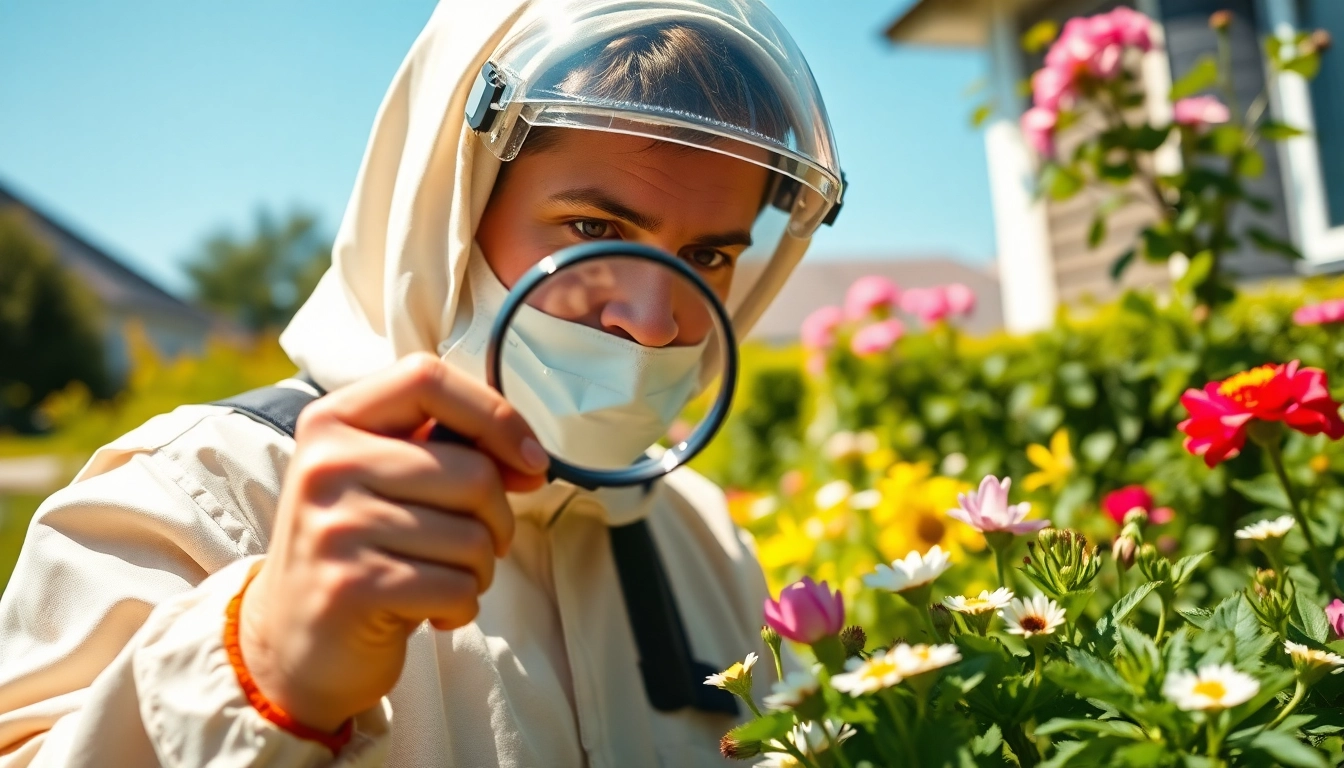
Understanding the Role of a Certified Insect Technician
Definition and Qualifications
A certified insect technician is a pest control professional who has undergone specialized training and obtained certification to provide effective pest management solutions. To achieve certification, technicians typically need to complete a series of training programs that cover various aspects of pest biology, ecology, and control methods. Additionally, in many regions, they are required to pass an examination demonstrating their knowledge of local regulations and safe usage of pesticides. This certification ensures that technicians are equipped to handle a range of pest issues with expertise and professionalism.
Importance of Certification in Pest Control
Certification plays a crucial role in the pest control industry. It signifies that a technician has met specific industry standards and possesses necessary knowledge about pest behavior, treatment methods, and safety protocols. Hiring a certified insect technician means you are entrusting your pest problems to someone who understands the complexities of pest management and adheres to regulations that protect public health and the environment. Certified technicians are often more reliable, delivering more effective results compared to non-certified operators.
Common Services Offered by Technicians
Certified insect technicians provide a variety of services to tackle pest issues comprehensively. These services typically include:
- Inspections: Thorough examinations of properties to identify pest infestations and assess potential vulnerabilities.
- Treatment Plans: Customized treatment strategies developed based on the specific pest problems and the environment.
- Pest Eradication: Safe and effective elimination of pests using methods that comply with legal and ethical standards.
- Preventive Measures: Recommendations on structural repairs and preventive treatments designed to deter future infestations.
- Ongoing Maintenance: Regular follow-ups and inspections to ensure long-term pest management and prevention.
Benefits of Hiring a Certified Insect Technician
Professional Assessment of Pest Problems
One of the primary advantages of hiring a certified insect technician is their ability to conduct a thorough assessment of your pest problems. These professionals utilize a systematic approach during inspections, examining both the interior and exterior of your property. They consider various factors such as the type of pests, severity of the infestation, and any conducive conditions. This in-depth analysis allows them to identify the most effective treatment options, tailored to your specific situation.
Effective and Safe Treatment Methods
Certified insect technicians are trained in the latest pest control methods, ensuring they utilize effective and safe techniques for pest management. They prioritize integrated pest management (IPM) practices, which emphasize the use of environmentally friendly methods alongside chemical controls when necessary. This approach reduces the risk to both people and pets while ensuring that pests are eradicated efficiently. Safety protocols and best practices play a vital role in their treatments, assuring clients of minimal disruption and risk.
Long-Term Pest Management Solutions
Beyond immediate pest elimination, certified insect technicians focus on providing long-term management solutions tailored to your property and specific challenges. They conduct follow-up inspections and recommend preventive measures, such as sealing entry points, modifying landscaping, and maintaining proper hygiene practices. This proactive approach helps keep infestations at bay, ensuring your home remains pest-free over time.
How to Choose the Right Certified Insect Technician
Checking Reviews and References
When searching for a certified insect technician, it’s essential to check reviews and references to gauge the quality of service. Look for testimonials on various platforms or ask for references from the technician’s past clients. Positive reviews indicate reliability and competence, while any recurring complaints should raise red flags. A technician with a solid reputation is likely to deliver the effective pest management you need.
Inquiring About Treatment Plans and Methods
Before selecting a technician, you should inquire about their treatment plans and methods. Discuss how they approach pest problems, including their preferred techniques and the products they use. A good technician should be transparent about their methods and able to answer your questions about safety measures, effectiveness, and potential side effects. This will help you gauge their expertise and ensure that their approach aligns with your comfort level.
Assessing Cost vs. Quality of Service
While it’s natural to consider price, it’s crucial to balance cost with the quality of service provided. The cheapest option may not always be the best, as low-quality treatments can lead to recurring pest problems. Instead, look for a certified insect technician who offers a comprehensive service at a fair price. Compare several quotes and evaluate what’s included—such as inspections, follow-up treatments, and guarantees—before making a decision.
Common Pest Issues Managed by Certified Insect Technicians
Household Pests: Ants, Roaches, and More
Household pests such as ants, cockroaches, and bed bugs are some of the most common issues faced by homeowners. A certified insect technician is trained to identify the specific species and determine the most appropriate treatment methods. For example, baiting strategies may be used for ants, while targeted sprays might be employed for cockroaches. Early intervention is vital to prevent these pests from becoming a larger problem.
Outdoor Pests: Termites and Mosquitoes
Pests such as termites and mosquitoes can create significant problems, both structurally and health-wise. Certified insect technicians conduct inspections to assess potential termite damage and provide treatments, including bait systems or liquid barriers. Mosquito control might involve habitat modifications and the application of approved insecticides. Handled effectively, these services help protect your home from extensive damage and ensure outdoor spaces remain enjoyable.
Seasonal Pest Challenges and Solutions
Different pests become prevalent during various seasons. For instance, rodents may seek shelter indoors as temperatures drop, while ants may invade during warmer months. A certified insect technician can help identify seasonal challenges and create an effective pest management plan that addresses these fluctuations. Utilizing a seasonal approach ensures that your property is protected year-round, adapting strategies based on pest life cycles.
Frequently Asked Questions about Certified Insect Technicians
What qualifications should a certified insect technician have?
Certified insect technicians should have the necessary training, licensure, and expertise in pest management techniques to ensure effective services. This includes an understanding of pest biology and state regulations.
How do certified insect technicians approach pest problems?
They conduct thorough inspections, assess environmental factors, and develop tailored treatment plans that prioritize safety and effectiveness while addressing specific pest challenges.
Are treatments by certified insect technicians safe for pets?
Yes, certified technicians utilize safe, approved methods that minimize risks to pets, ensuring homes are pest-free while protecting household animals.
What can I expect from a pest service appointment?
Expect an initial consultation that includes a thorough inspection of your property and a discussion of treatment options based on your specific pest issues.
How often should I schedule services with a certified insect technician?
This varies based on pest activity, but most homeowners typically benefit from seasonal or bi-annual inspections and treatments to maintain an effective pest management program.