
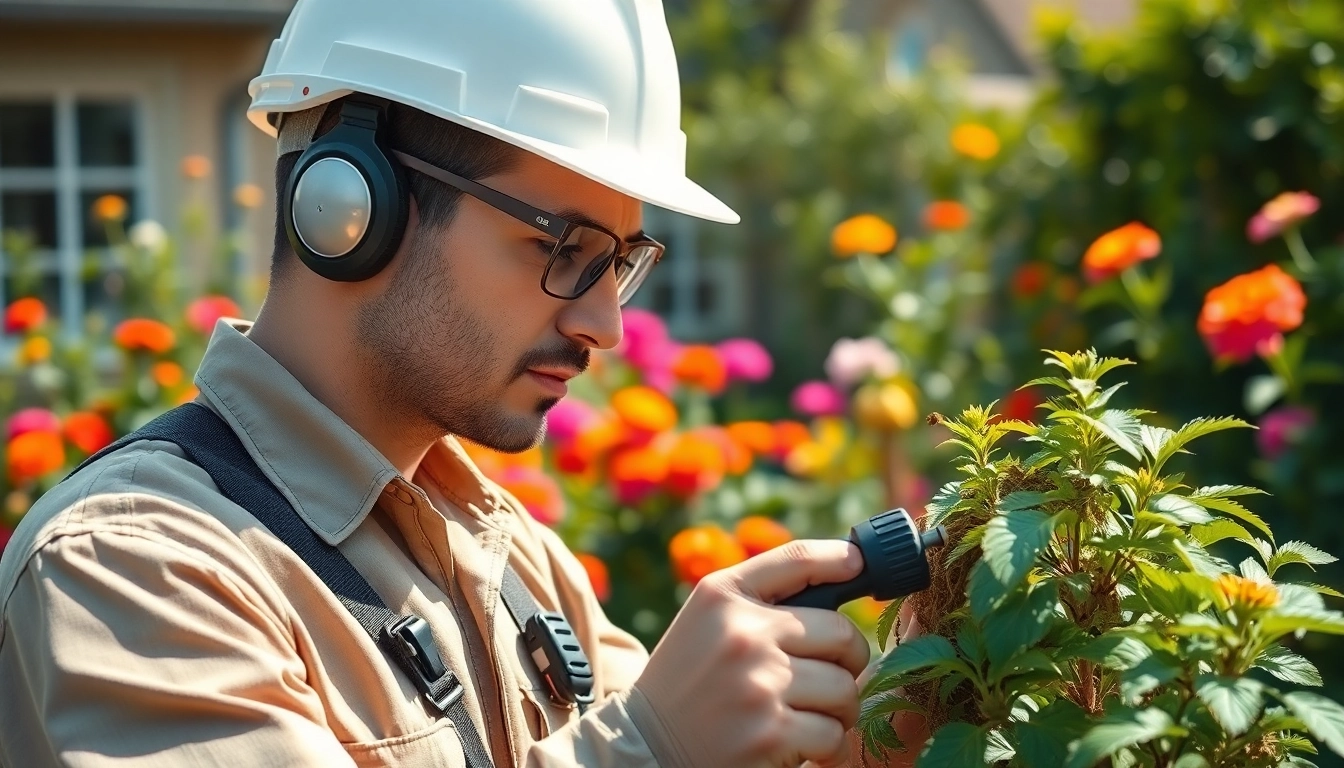
Understanding the Role of a Certified Insect Technician
Definition and Importance
A certified insect technician is a trained professional specializing in pest management, focusing on the precise identification, control, and prevention of insect infestations. The role of these technicians is critical in protecting public health, safeguarding property, and maintaining quality of life. Their expertise is essential in residential, commercial, and industrial settings, as they ensure that spaces are free from the threats posed by various pests, including insects such as termites, ants, bedbugs, and more. Recognizing the importance of hiring a certified insect technician can make a significant difference in how effectively pests are controlled.
Training and Certification Process
The journey to becoming a certified insect technician typically begins with a comprehensive training program. Many technicians are required to complete a mixture of coursework that covers insect biology, pest management strategies, and safety protocols. This often includes hands-on training to familiarize them with various treatment methods and tools used in the field.
Upon completing their education, aspiring technicians must pass a certification exam administered by relevant regulatory bodies. This exemplifies their knowledge and adherence to the necessary standards and practices of pest management. Continuous education is also a vital part of the profession, as it ensures technicians stay updated on new pest control technologies and methodologies.
Common Responsibilities
The responsibilities of a certified insect technician are multifaceted and encompass various tasks aimed at effective pest management. These include:
- Conducting thorough inspections of properties to assess pest problems.
- Identifying species of pests and evaluating the extent of infestations.
- Recommending and applying appropriate pest control measures.
- Educating clients on pest prevention tactics.
- Maintaining detailed records of service performed and follow-up requirements.
Benefits of Hiring a Certified Insect Technician
Expertise in Pest Identification
One of the primary advantages of hiring a certified insect technician is their expertise in pest identification. Not all pests are created equal; many species require specialized knowledge for effective treatment. Certified technicians bring a wealth of experience and skills that enable them to recognize subtle differences between pest species, which is crucial for selecting the right treatment methods.
Safe Application of Treatments
Safety is paramount in pest control, both for the technicians and the inhabitants of the property. Certified technicians are trained to apply treatments safely and effectively, minimizing any risk to pets, children, and the environment. They understand how to handle chemicals and use natural alternatives when necessary, ensuring a balanced approach to pest management.
Long-term Management Strategies
Beyond immediate pest elimination, a certified insect technician develops long-term management strategies that focus on prevention. These strategies include conducting routine inspections, educating clients on potential pest risks, and recommending structural changes or maintenance tips that deter infestations from returning. Such proactive measures help preserve the integrity of the property over time.
How to Choose the Right Certified Insect Technician
Assessing Qualifications and Experience
When looking for a certified insect technician, it’s essential to assess their qualifications thoroughly. Look for certifications from recognized organizations, as well as any additional training or specializations that indicate a high level of expertise. Experience in the field is also a vital consideration, as seasoned technicians will likely have encountered a wide range of pest issues and developed effective solutions.
Reading Reviews and Testimonials
Before making a hiring decision, it’s important to read reviews and testimonials from previous clients. These can provide insights into the technician’s reliability, effectiveness, and customer service. Trustworthy platforms for reviews include service directories and social media. Pay attention to repeated themes in the feedback, whether positive or negative, to gauge the technician’s reputation accurately.
Asking the Right Questions
Engaging potential technicians in conversation can shed light on their approach and professionalism. Key questions to consider include:
- What certifications do you hold?
- Can you explain your treatment process?
- What safety precautions do you take?
- Do you offer guarantees or follow-up services?
These inquiries will help ensure you’re hiring a qualified technician who meets your pest management needs.
The Process: What to Expect from a Certified Insect Technician
Initial Inspection and Assessment
The first step in the pest control process is a comprehensive inspection of the property. The certified insect technician will examine both the interior and exterior, looking for signs of pest activity, entry points, and conducive conditions for infestation. This thorough assessment informs the subsequent treatment choices.
Creating a Customized Treatment Plan
Based on the initial inspection, the technician will create a customized treatment plan tailored to the specific pest problem at hand. This plan typically includes the type of treatment, the application methods, and a schedule for follow-up visits. It’s designed to effectively address the current infestation while considering safety and ecological impact.
Follow-up and Maintenance Protocols
Once treatment is applied, follow-up visits are crucial for ensuring lasting results. A certified insect technician will monitor the effectiveness of the treatment and make any necessary adjustments. In addition, they will provide maintenance protocols and prevention tips to help clients avoid future infestations.
FAQs About Certified Insect Technicians
What does a certified insect technician do?
A certified insect technician identifies, controls, and prevents insect infestations. They conduct inspections, apply treatments, and advise on pest management strategies.
How do I know if my technician is certified?
You can verify a technician’s certification by checking their credentials with local regulatory agencies or certification boards that oversee pest control professionals.
Are treatments safe for my pets and children?
Yes, certified insect technicians are trained to apply safe treatments that minimize risks to pets and children. They will also provide guidelines to ensure safety post-treatment.
What types of pests can a certified insect technician handle?
They can handle a wide range of pests including termites, ants, cockroaches, bedbugs, wasps, and more. Their expertise varies based on training and specialization.
How often should I schedule pest control services?
The frequency of pest control services depends on the specific pest issue and property conditions. Generally, routine inspections every 3-6 months are recommended for ongoing prevention.