Understanding Timber Frame Solutions
What Are Timber Frame Solutions?
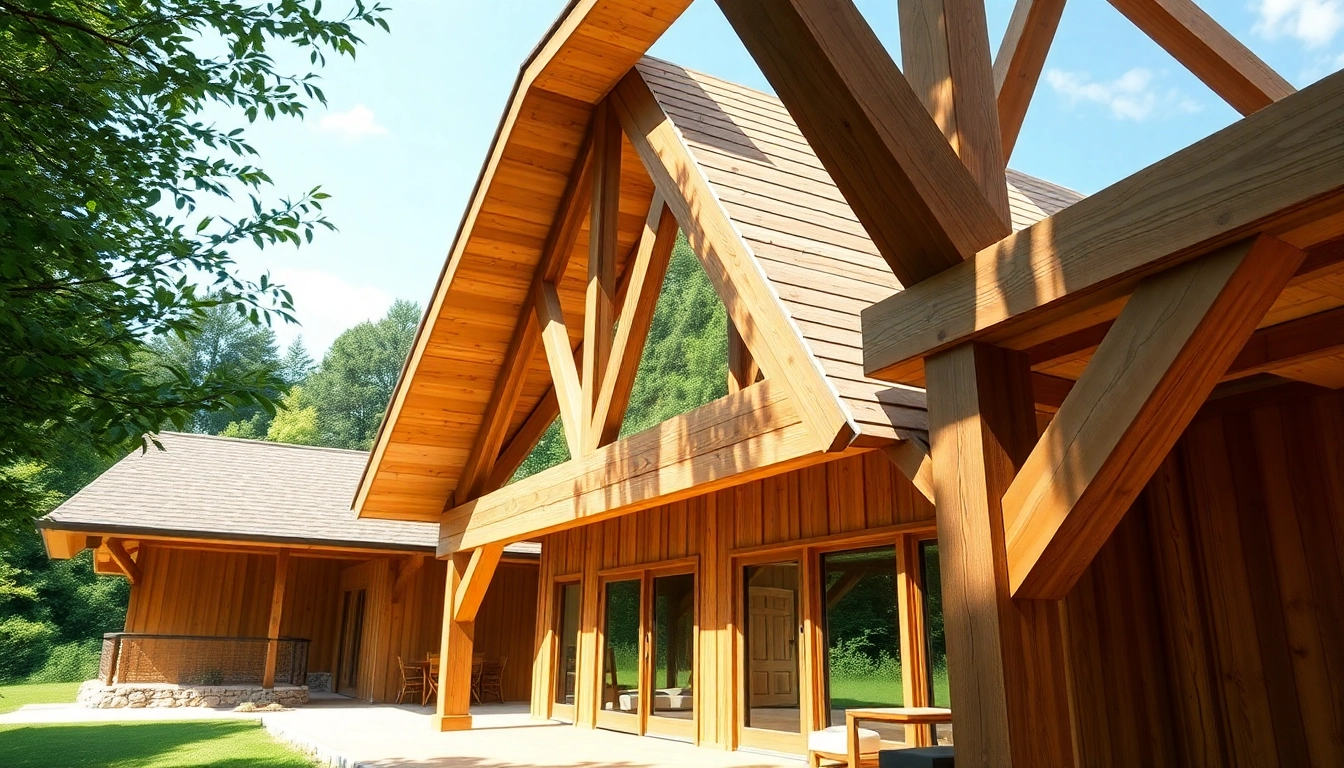
Timber frame solutions refer to a construction method that utilizes a framework of wooden beams and posts to create a robust structure. This technique has gained popularity in the building industry due to its versatility and efficiency. The timber frame acts as the skeleton of a building, allowing for flexibility in design and the ability to create open spaces without the need for load-bearing walls. This results in an aesthetic appeal that highlights the natural beauty of wood while providing durable and sustainable living spaces.
By integrating timber frame solutions, builders can achieve faster construction times, reduced labor costs, and enhanced energy efficiency. Moreover, this approach is increasingly aligned with eco-friendly practices, thus appealing to environmentally conscious builders and homeowners. Companies specializing in timber frame solutions often utilize advanced engineering techniques and modern technology to ensure optimal structural integrity and design innovation.
Benefits of Timber Frame Construction
The advantages of timber frame construction are numerous and can greatly influence the decision-making process for builders and homeowners alike.
- Speed of Construction: Timber frame structures can be erected significantly faster than traditional masonry buildings due to prefabrication and lightweight materials.
- Cost-Effectiveness: Overall construction costs can be lower because of reduced labor time, faster build times, and the potential for lower material costs.
- Design Flexibility: The timber frame allows for a variety of architectural styles and open floor plans, making it easier to customize a home to fit personal aesthetics.
- Energy Efficiency: Timber is a natural insulator, which can result in lower heating and cooling costs and a smaller carbon footprint.
- Sustainability: When sourced responsibly, timber is a renewable resource, making timber frame construction a more sustainable option compared to traditional materials.
Common Uses and Applications
Timber frame solutions are utilized in a variety of construction applications. Some common uses include:
- Residential Homes: Many homeowners choose timber frames for their strength and aesthetic qualities, crafting homes that stand out and provide warmth.
- Commercial Buildings: Large scale commercial projects often adopt timber frames for their open spaces that enhance the user experience.
- Eco-Friendly Structures: Timber frames align seamlessly with green building practices, making them ideal for eco-conscious projects.
- Garden Structures and Extensions: Small-scale applications such as garden houses, sheds, or home extensions also benefit from timber frame construction.
Comparing Timber Frame Solutions to Other Methods
Timber Frames vs. Traditional Building
When comparing timber frame solutions to traditional building methods, several key differences emerge. Traditional building typically involves materials like bricks and concrete, which can be heavier and require more time to construct. Timber frames, on the other hand, are lightweight and allow for quicker assembly.
In terms of aesthetics, timber frame homes often provide a warm and inviting look that resonates with many homeowners. Moreover, while conventional building can often lead to energy inefficiencies due to thermal bridging, timber frames inherently reduce energy loss by providing better insulation.
Cost Considerations for Timber Frame Solutions
Cost is a critical factor in any construction project. Timber frame solutions typically require a higher initial investment in materials and design but tend to offer savings in labor and overall construction time. Furthermore, the long-term energy efficiency of timber frame buildings can lead to significant savings in utility bills over time.
Homeowners should also consider that timber can be a cost-effective choice in terms of future maintenance. Unlike traditional materials that may require frequent repairs and replacements, timber frame buildings, when properly maintained, can last for generations.
Environmental Impact of Construction Choices
Building practices have significant environmental impacts, and timber frame solutions present a more sustainable choice than many conventional methods. Timber is a renewable resource that, when sourced from responsible forestry practices, contributes to sustainable development goals.
Moreover, timber frames offer lower carbon footprints throughout their life cycles. From construction through to eventual disposal, timber frames generally leave a smaller ecological impact compared to concrete or steel buildings. By prioritizing timber, builders can actively participate in reducing urban carbon emissions and promoting biodiversity.
Designing with Timber Frame Solutions
Architectural Styles Available
Timber frame construction lends itself to a variety of architectural styles, allowing for creativity and flexibility. Common styles include:
- Rustic: Emphasizing natural finishes and materials, this style often highlights the timber’s natural grain and texture.
- Modern: Incorporating sleek lines and open spaces, modern timber frame designs can include large glass panels and minimalistic features.
- Cottage: The cozy, warm aesthetic of timber frames works beautifully in cottage-style homes, inducing a sense of comfort and charm.
- Contemporary: With innovative shapes and designs, contemporary timber frame solutions often blend with the natural surroundings.
Customization Options for Timber Frames
One of the main attractions of timber frame solutions is the extensive customization it offers. Builders and homeowners can decide on various features, including:
- Wood Species: Different types of timber provide unique aesthetics, strength characteristics, and environmental impacts.
- Insulation Types: Options range from traditional fiberglass insulation to modern eco-friendly alternatives.
- Exterior Finishes: The finish can vary from paint to untreated wood, allowing for a tailored look.
- Interior Layouts: With a timber frame, interior spaces can be designed freely, without worrying about internal load-bearing walls.
Technological Innovations in Timber Frame Design
Innovations in technology have spurred advancements in timber frame design and construction. CAD software and Building Information Modeling (BIM) allow architects to design and visualize complex structures with precision. This technology enables detailed planning, reducing errors in construction and expediting the building process.
Furthermore, research into wood treatments and preservation techniques has bolstered the longevity of timber frames, enhancing their durability against pests and decay. Emerging technologies such as cross-laminated timber (CLT) are also enabling builders to create even larger and taller structures, positioning timber as a viable competitor to concrete and steel.
Building Process for Timber Frame Solutions
Key Steps in the Construction Process
The construction process for timber frame solutions involves several systematic steps to ensure a successful build:
- Planning: This includes gathering necessary permits, outlining the design, and selecting materials.
- Prefabrication: Timber components are often cut and assembled in a factory setting to ensure precision before on-site assembly.
- Site Preparation: Proper site preparation is crucial before any timber frame is erected to ensure stability and compliance with building codes.
- Assembly: The timber frame is raised and secured on-site, followed by the addition of insulation and exterior materials.
- Finishing Touches: Final inspections, interior detailing, and landscaping round off the construction process.
Contractor Selection and Planning
Choosing a reputable contractor skilled in timber frame solutions is essential. Look for contractors with experience in this specific form of construction and who can provide references and portfolios of past work. Proper planning involves discussing timelines, budgets, and design ideas, ensuring that all parties have a clear understanding of project goals.
Maintaining Quality During Construction
Quality control is pivotal throughout the construction process. Regular inspections and standards compliance checks should be integrated to ensure that materials and workmanship meet expected levels of quality. Implementing a robust communication strategy among all stakeholders helps to address issues promptly, ensuring the project stays on track.
Future of Timber Frame Solutions
Trends in Timber Construction
The future of timber frame solutions looks bright as innovative practices continue to emerge. A prominent trend is the integration of smart home technology, where timber frame homes are equipped with advanced energy management systems that optimize energy consumption. Additionally, the use of reclaimed wood is on the rise, aligning with sustainable construction efforts and appealing to environmentally conscious consumers.
Adapting to Climate Resilience
With increasing concern for climate change and its effects on building safety, timber frame solutions are adapting by incorporating climate resilience strategies. This includes using rot-resistant and sustainable wood species, enhanced structural designs to withstand extreme weather, and energy-efficient systems that minimize the overall carbon footprint of buildings.
Community Perspectives on Timber Frames
As awareness of environmental impacts increases, communities are responding positively to timber frame solutions. Cities are promoting timber construction in public and private projects due to its reduced environmental impacts and community engagement opportunities. Educational initiatives about the benefits of timber frames are fostering a culture of sustainability and innovation within the construction industry.
Frequently Asked Questions
1. What are the main advantages of timber frame solutions?
Timber frame solutions offer speed of construction, cost-effectiveness, design flexibility, energy efficiency, and sustainability. They allow for quick assembly and can significantly lower energy bills over time.
2. How do timber frames compare to traditional construction methods?
Timber frames are lighter, faster to build, and provide better insulation compared to traditional materials like concrete and bricks. They also allow more design flexibility and are often more aesthetically pleasing.
3. Can timber frame buildings be customized?
Yes, timber frame structures can be highly customized across various aspects, including wood type, insulation, exterior finishes, and interior layouts, allowing for a personalized design.
4. Are timber frame homes energy-efficient?
Absolutely! Timber is a natural insulator, which contributes to lower heating and cooling costs, making timber frame homes energy-efficient by minimizing energy loss.
5. What are the emerging trends in timber construction?
Emerging trends include the integration of smart home technologies, the use of reclaimed wood, and designs that enhance climate resilience, reflecting sustainability and innovation in the industry.